Dog Lump On Leg? Clinical Triage Starts Here

Get objective, data-driven guidance for your dog’s limb mass—supporting your clinical decisions without replacing your veterinarian.

VETERINARY AI FOR PET OWNERS

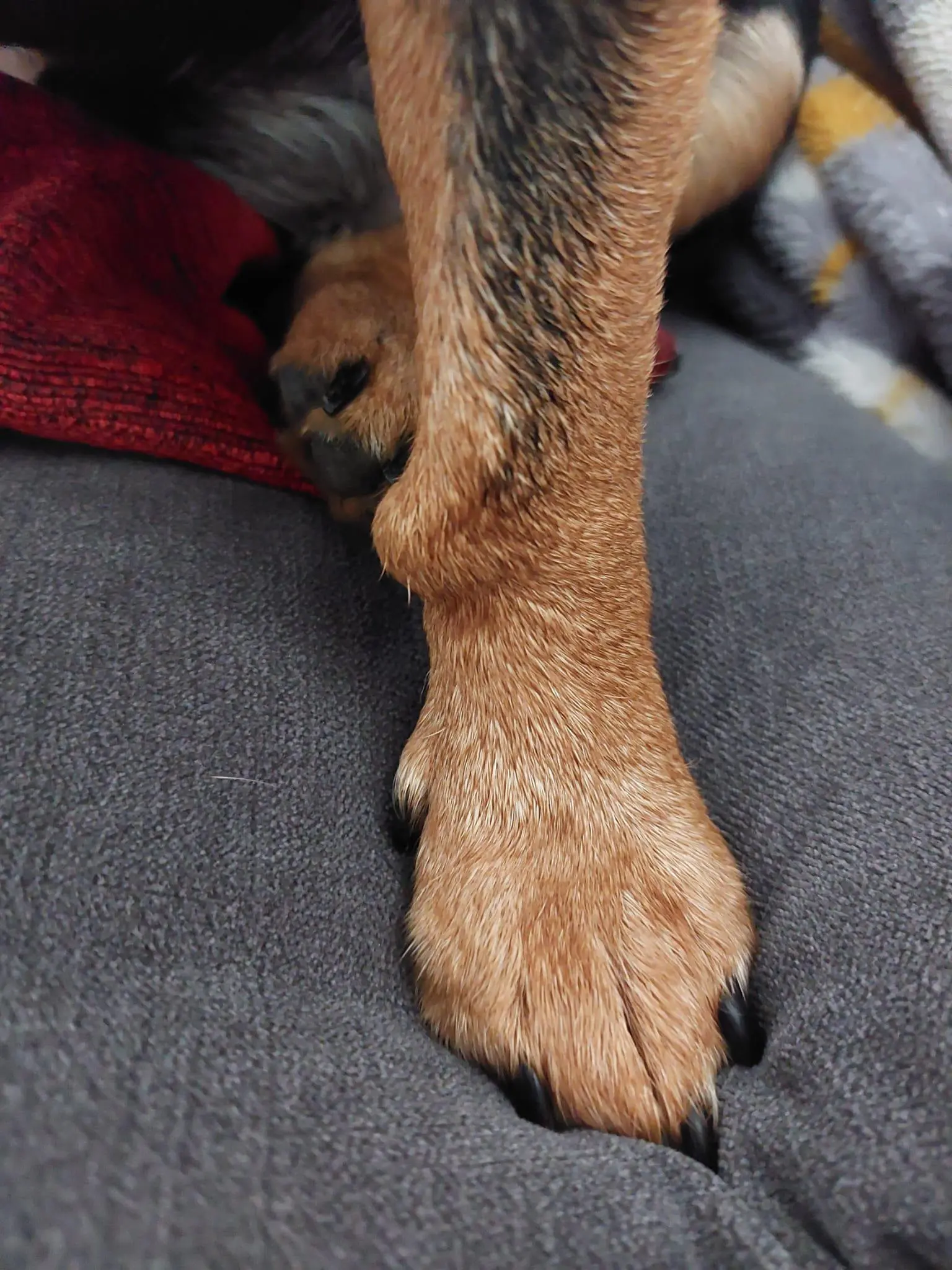
Understanding Your Dog's Leg Lump

A palpable mass on your dog’s leg can arise from multiple tissue layers—skin, subcutaneous fat, muscle, bone, or joint structures. While many limb lumps are benign (lipomas, sebaceous cysts, or reactive swellings), others may indicate infection, trauma, or neoplasia requiring prompt evaluation.

Your concern is entirely valid. Most leg masses are not life-threatening emergencies, but accurate triage requires objective clinical observation. Veterinary AI helps you document, track, and contextualize your dog’s specific presentation—so you can make informed decisions about when and how urgently to seek in-person care.

Veterinary AI

Assess your dog's leg lump with clinical precision

COMMON CAUSES OF DOG LUMP ON LEG

Understanding potential origins helps contextualize your dog’s presentation.

Lipoma (Benign Fat Tumor)

Soft, movable, painless mass of adipose tissue—common in middle-aged to senior dogs

Sebaceous Cyst

Blocked oil gland forming a firm, round nodule containing keratinous material

Reactive Swelling or Callus

Localized tissue response to pressure or repetitive trauma—often firm but non-painful

Abscess or Hematoma

Localized infection or trauma causing painful, warm, fluctuant swelling requiring drainage

Soft Tissue Neoplasia

Firm, potentially ulcerated mass such as mast cell tumor or fibrosarcoma requiring prompt biopsy

Bone Tumor (Osteosarcoma)

Firm, fixed, painful mass over bone—more common in large breeds; requires immediate radiography

If your dog has a lump on the leg and you’re uncertain about the severity, take informed action. Veterinary AI delivers real-time clinical triage tailored to your pet’s specific presentation—helping you distinguish between benign causes and signs requiring urgent care with clarity and confidence.
+0
Symptoms analyzed
by pet owners worldwide
+0
Pet owners trusting
AI for their pet's health
0/7
Available anytime
even at 2AM emergencies
Person gently examining dog's leg lump at home

Safe Home Care & Monitoring Guidelines

Clinically safe, non-invasive steps you can take immediately to assess your dog's leg lump, provide comfort, and gather the exact information your veterinarian needs.

Daily Size Tracking

Use a soft measuring tape or photograph with a ruler to document any changes in mass dimensions

Monitor Texture Changes

Lightly feel the mass for changes in firmness, temperature, or mobility; report any new tenderness

Monitor Licking or Chewing

Observe for excessive licking, biting, or chewing of the area, which may indicate irritation or pain

Monitor Lameness

Observe for limping, favoring the limb, or reluctance to bear weight—changes may indicate pain or deeper involvement

Restrict Vigorous Activity

Limit running, jumping, or rough play to minimize trauma to the affected leg

Document with Photos

Take clear photographs of the mass with a ruler for objective veterinary reference and monitoring

TESTIMONIALS

OPYNIO Reviews Dog Lump On Leg

WHEN CAN VETERINARY AI HELP YOU AND YOUR DOG?

 Veterinary AI provides clinical support precisely when you need orientation.

When your dog has a lump on the leg and you're unsure of the severity — Veterinary AI delivers real-time clinical triage tailored to your pet's specific presentation—helping you distinguish between benign causes and signs requiring veterinary attention with clarity and confidence
If the leg mass persists beyond 2 weeks, or your dog shows lameness, tenderness, or appetite changes — Veterinary AI helps you distinguish between benign causes and signs requiring veterinary attention with clarity and confidence
When you need clinically-grounded guidance before your vet visit — Veterinary AI delivers real-time clinical triage tailored to your pet's specific presentation—helping you distinguish between benign causes and signs requiring veterinary attention with clarity and confidence

When to Seek Immediate Emergency Care

Red flags that require urgent veterinary attention — and how Veterinary AI supports each critical decision.

Mass doubles in size within 24–48 hours — Veterinary AI's Instant Symptom Analysis & Risk Scoring flags rapid growth as a high-risk indicator for neoplasia or hemorrhage
Mass becomes fixed to underlying bone or tissue — Risk Scoring identifies fixation as a potential malignant feature requiring prompt biopsy and radiography
Sudden onset of lameness or non-weight-bearing — 24/7 Smart Triage & Urgency Level Assessment correlates with pain and potential bone involvement
Systemic signs: fever, lethargy, or appetite loss — 24/7 Smart Triage & Urgency Level Assessment recommends immediate emergency transport
Mass becomes ulcerated or shows discharge — Exportable Clinical Summary Report compiles lesion characteristics and timeline for immediate veterinary review
Swelling extends to joint or causes distal edema — Exportable Clinical Summary Report documents progression for emergency handover
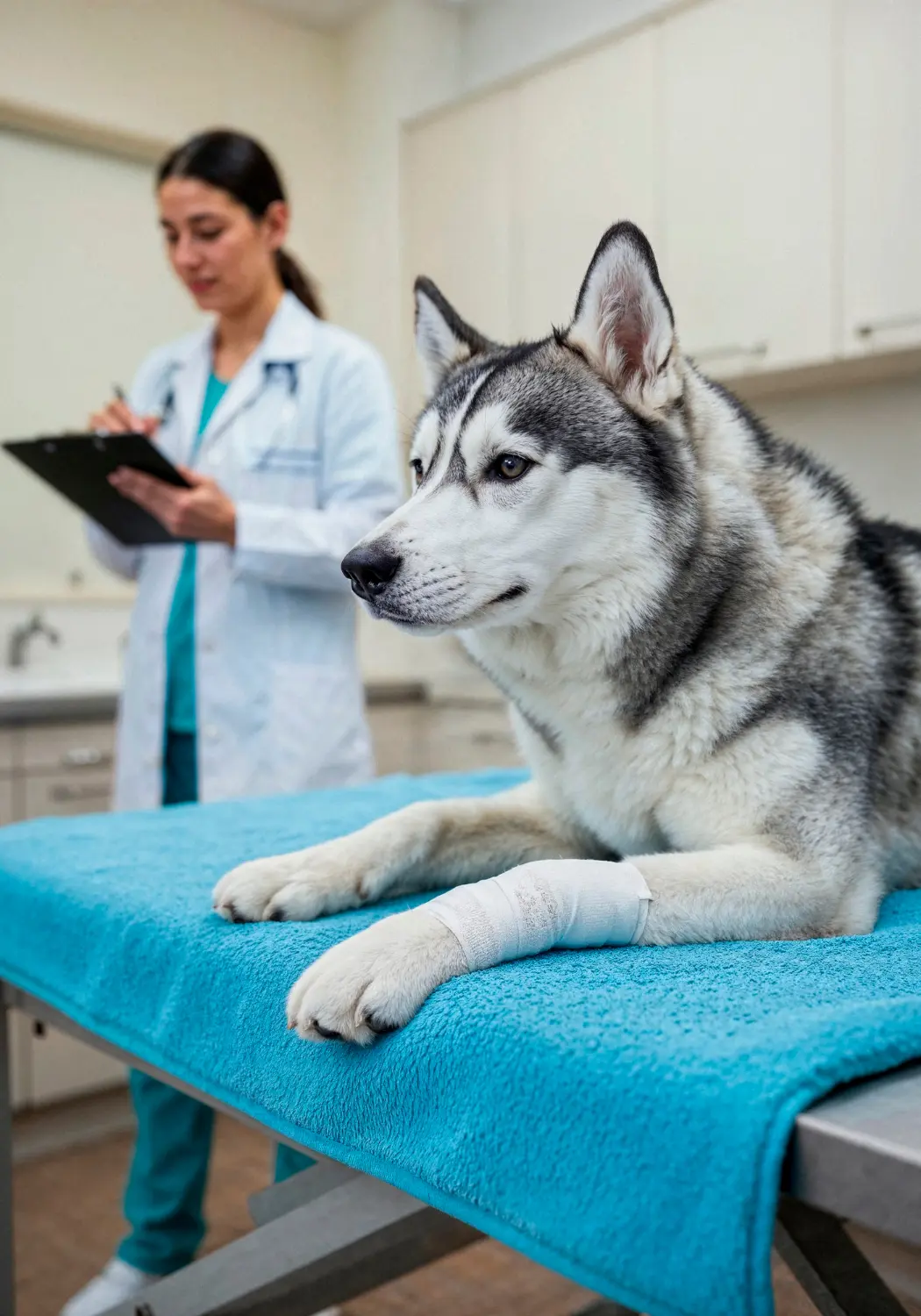
Dog showing signs of leg mass distress needing emergency veterinary care

Monthly

Flexible, cancel anytime

€9.99 /month
AI symptom assessment
Emergency guidance 24/7
Preventive care reminders
Wellness monitoring
Breed-specific health tips
Unlimited conversations
Start monthly plan
SAVE 24%

Annual

Best value for your pet

€90.99 /year

Just €7.58/month

AI symptom assessment
Emergency guidance 24/7
Preventive care reminders
Wellness monitoring
Breed-specific health tips
Unlimited conversations
Priority support
Start annual plan

Veterinary AI provides triage and education, not diagnoses or treatments. It does not replace professional veterinary care. Always consult a licensed veterinarian, or contact an emergency facility immediately if needed.

By submitting you agree to our Privacy Policy

Veterinary AI

AI-Powered Pet Care 24/7

More and more pet owners trust Veterinary AI for their pet's health. Get instant AI consultations, track medical records, set vaccine reminders, and access expert guidance — all from your phone. No waiting rooms, no appointments. Start now.

FAQ

Frequently Asked
Questions

Everything you need to know about leg lumps in dogs and how Veterinary AI can help. Can't find what you're looking for?

Start Symptom Assessment

When should I worry about a lump on my dog's leg?

Seek veterinary evaluation if the mass doubles in size, becomes painful or fixed, or your dog shows lameness, fever, or appetite loss.

What does a soft, movable lump on a dog's leg usually mean?

Soft, movable masses are often benign lipomas or fatty deposits. However, cytology is recommended to confirm diagnosis and rule out malignancy.

Are leg lumps in dogs usually cancerous?

Most are benign. However, mast cell tumors, fibrosarcomas, and osteosarcomas are among the most concerning—early cytology or radiography is essential.

Can a lump on a dog's leg be caused by trauma?

Yes. Hematomas and reactive swellings can occur after injury. Persistent swelling beyond 48 hours warrants veterinary evaluation.

How quickly should I take my dog to the vet for a leg lump?

Schedule a visit within 7 days if the mass is new, stable, and painless. Seek immediate care for rapid growth, pain, or systemic signs.