Dog Dragging Bottom? Get Clinical Clarity Now.

Understand the clinical significance of dog scooting with AI-driven triage support. Evidence-based guidance to assess urgency before your veterinary visit.

VETERINARY AI FOR PET OWNERS

Understanding Why Your Dog Drags Bottom: A Clinical Perspective

Dog dragging bottom, clinically known as scooting, is a common presentation indicating perianal irritation. It typically signals anal sac impaction, inflammation, or less commonly, parasitic infection or dermatologic disease requiring professional evaluation.

Most scooting episodes resolve with appropriate management. However, objective monitoring and structured triage are essential — distinguishing benign irritation from signs of infection, abscess formation, or systemic conditions ensures timely, appropriate care.

Veterinary AI

Assess your dog's scooting with clinical precision

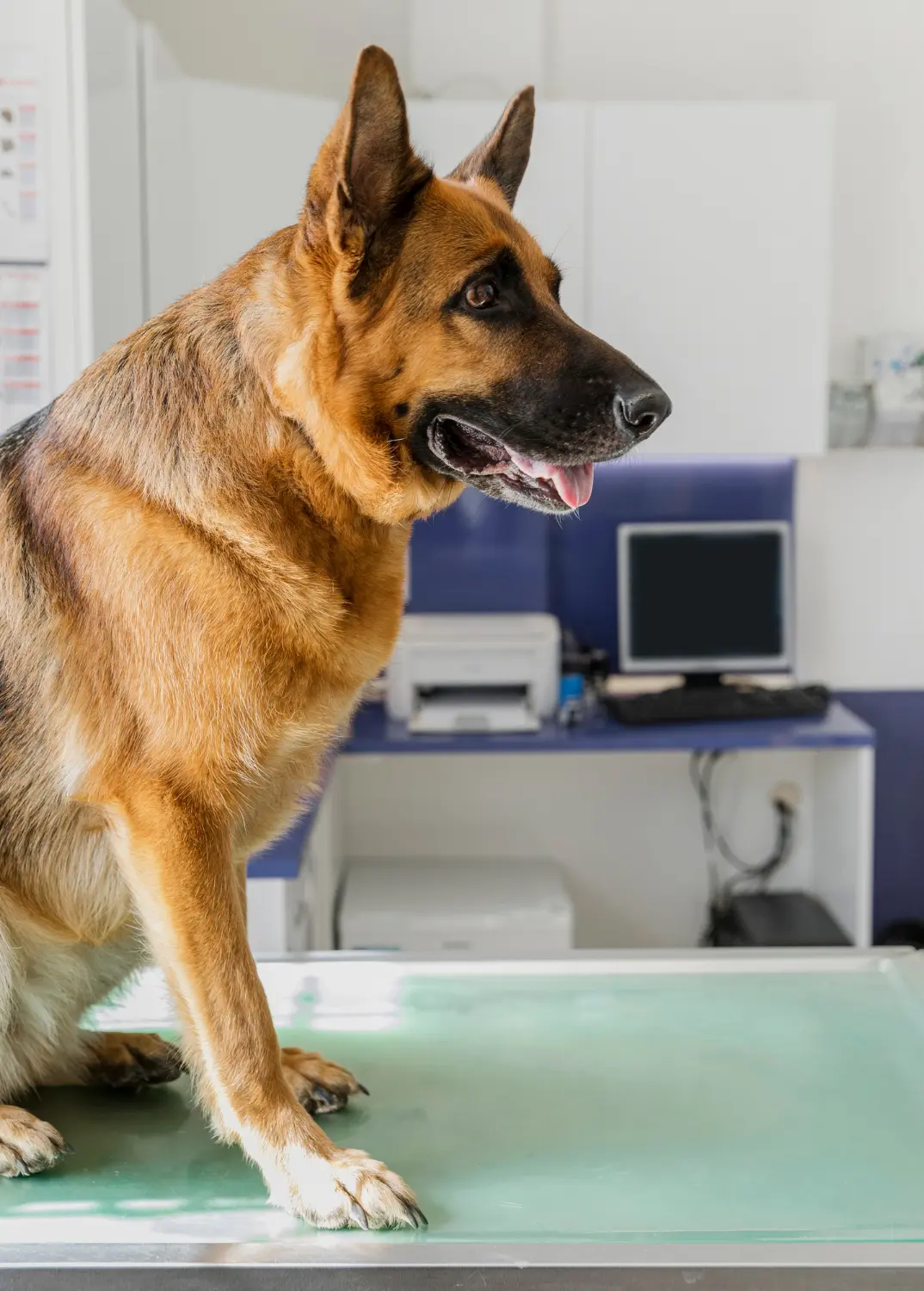
Dog dragging bottom showing signs of anal discomfort requiring clinical assessment

Common Causes of Dog Dragging Bottom

Clinical etiologies range from benign anal sac issues to underlying medical conditions requiring veterinary investigation.

Anal Sac Impaction

Most common cause — full anal sacs cause pressure, discomfort, and persistent scooting

Anal Sac Infection

Bacterial infection of anal sacs produces inflammation, pain, and persistent scooting

Intestinal Parasites

Whipworms or tapeworms can cause perianal irritation and scooting behavior

Food Allergies

Dietary hypersensitivity may manifest as perianal pruritus and scooting

Perianal Fistulas

Chronic inflammatory tracts around the anus causing pain and persistent scooting

Perianal Tumors

Neoplasia in older dogs can present with scooting and perianal discomfort

If your dog is dragging bottom and you're uncertain about the severity, take informed action. Veterinary AI delivers real-time clinical triage tailored to your pet's specific presentation—helping you distinguish between benign causes and signs requiring veterinary attention with clarity and confidence.

+0
Symptoms analyzed
by pet owners worldwide
+0
Pet owners trusting
AI for their pet's health
0/7
Available anytime
even at 2AM emergencies

Safe Home Care & Monitoring Guidelines

Practical, medically safe actions to support your dog while monitoring their condition

Monitor Scooting Frequency

Track how often your dog drags bottom—increasing frequency may indicate worsening irritation

Inspect Perianal Area

Check for redness, swelling, discharge, bleeding, or visible masses around the anus

Maintain High-Fiber Diet

Ensure adequate dietary fiber to promote natural anal sac expression and firm stools

Prevent Excessive Licking

Use an Elizabethan collar if needed—excessive licking can worsen irritation and infection

Maintain Proper Hygiene

Gently clean the perianal area with warm water—avoid harsh soaps or chemicals

Maintain Symptom Diary

Record frequency, timing, and visible changes for accurate veterinary reporting

⏱️ Do not attempt to express anal sacs at home. Improper technique can cause injury, rupture, or introduce infection. If your dog shows any concerning signs, use Veterinary AI for immediate triage or contact your veterinarian.

TESTIMONIALS

OPYNIO Reviews Dog Dragging Bottom

When Can Veterinary AI Help You and Your Dog?

Timely, clinically-grounded support for every stage of your dog’s care journey.

When your dog is dragging bottom and you're unsure of the severity — Veterinary AI delivers real-time clinical triage tailored to your pet's specific presentation, helping you distinguish between benign anal sac issues and signs requiring veterinary attention with clarity and confidence.
If scooting persists despite home care, or your dog shows signs of pain, swelling, discharge, or bleeding — Veterinary AI helps you distinguish between benign anal sac issues and underlying conditions requiring veterinary attention with clarity and confidence.
When you need clinically-grounded guidance before your veterinary visit — Veterinary AI delivers an exportable clinical summary with structured data, helping you prepare for a productive, informed consultation with your veterinarian.

💡 Always trust your instincts. If you're concerned about your dog's scooting behavior, Veterinary AI provides immediate, evidence-based assessment — but never delays seeking emergency care when your dog shows signs of severe pain, swelling, or bleeding.

When to Seek Immediate Emergency Care

Red flags that require urgent veterinary attention — and how Veterinary AI supports each critical decision when your dog is dragging bottom.

Sudden swelling or mass in the perianal region with scooting — Instant Symptom Analysis & Risk Scoring flags potential abscess or neoplasia requiring immediate evaluation
Visible bleeding or purulent discharge alongside scooting — Risk Scoring identifies infection severity and escalates urgency for immediate veterinary assessment
Severe pain, vocalization, or reluctance to sit with scooting — 24/7 Smart Triage & Urgency Level Assessment correlates with potential anal sac rupture or perianal fistula formation
Fever, lethargy, or systemic signs with scooting — Urgency Level Assessment assesses infection severity and prompts immediate ER contact
Rapidly growing perianal mass or ulceration — Exportable Clinical Summary Report compiles progression timeline and clinical signs for emergency handover
Signs of anal sac rupture or perianal fistula formation — Exportable Clinical Summary Report documents progression timeline for immediate veterinary review
Dog showing signs of perianal distress needing emergency veterinary care

Monthly

Flexible, cancel anytime

€9.99 /month
AI symptom assessment
Emergency guidance 24/7
Preventive care reminders
Wellness monitoring
Breed-specific health tips
Unlimited conversations
Start monthly plan
SAVE 24%

Annual

Best value for your pet

€90.99 /year

Just €7.58/month

AI symptom assessment
Emergency guidance 24/7
Preventive care reminders
Wellness monitoring
Breed-specific health tips
Unlimited conversations
Priority support
Start annual plan

By submitting you agree to our Privacy Policy

Veterinary AI

AI-Powered Pet Care 24/7

More and more pet owners trust Veterinary AI for their pet's health. Get instant AI consultations, track medical records, set vaccine reminders, and access expert guidance — all from your phone. No waiting rooms, no appointments. Start now.

FAQ

Frequently Asked
Questions

Everything you need to know about scooting in dogs and how Veterinary AI can help. Can't find what you're looking for?

Start Symptom Assessment

Why does my dog drag his bottom?

Common causes include anal sac impaction, anal sac infection, intestinal parasites, food allergies, or perianal irritation requiring veterinary evaluation.

Is scooting in dogs an emergency?

Usually not an emergency, but signs of severe pain, swelling, bleeding, fever, or reluctance to sit require immediate veterinary attention.

Can dog scooting be caused by allergies?

Yes, food or environmental allergies can cause perianal pruritus and secondary scooting behavior requiring dietary or environmental management.

How can I prevent my dog from scooting?

Maintain a high-fiber diet, regular anal sac expression by your vet, parasite control, and monitor for early signs of perianal irritation.

When should I see a vet for dog scooting?

Seek veterinary advice if scooting persists beyond 2-3 days, or is accompanied by swelling, discharge, bleeding, or signs of pain.