Dog Liver Disease Symptoms: Clinical Triage Support

Understand your dog’s symptoms with clinically grounded AI guidance. Veterinary AI helps you assess urgency and prepare for your in-person vet visit, without replacing professional care.

VETERINARY AI FOR PET OWNERS

Recognizing Liver Disease Symptoms in Your Dog

Liver disease in dogs often presents with subtle signs that can easily be mistaken for other conditions. Weight loss, vomiting and jaundice may indicate hepatic dysfunction requiring prompt investigation.

While these signs understandably cause concern, objective triage helps you make informed decisions. Veterinary AI provides structured clinical support to help you monitor symptoms and determine when professional care is needed.

Veterinary AI

Assess your dog's liver symptoms with clinical precision

Common Causes of Dog Liver Disease Symptoms

Β Liver disease in dogs has multiple origins, ranging from dietary factors to age-related decline.

Toxin-Induced Hepatopathy

Liver damage from xylitol, aflatoxins, or certain medications causing acute hepatic injury requiring immediate treatment

Chronic Hepatitis

Progressive liver inflammation leading to fibrosis and dysfunction, common in middle-aged and senior dogs

Hepatic Lipidosis

Excessive fat accumulation in liver cells causing dysfunction, often triggered by obesity or sudden anorexia

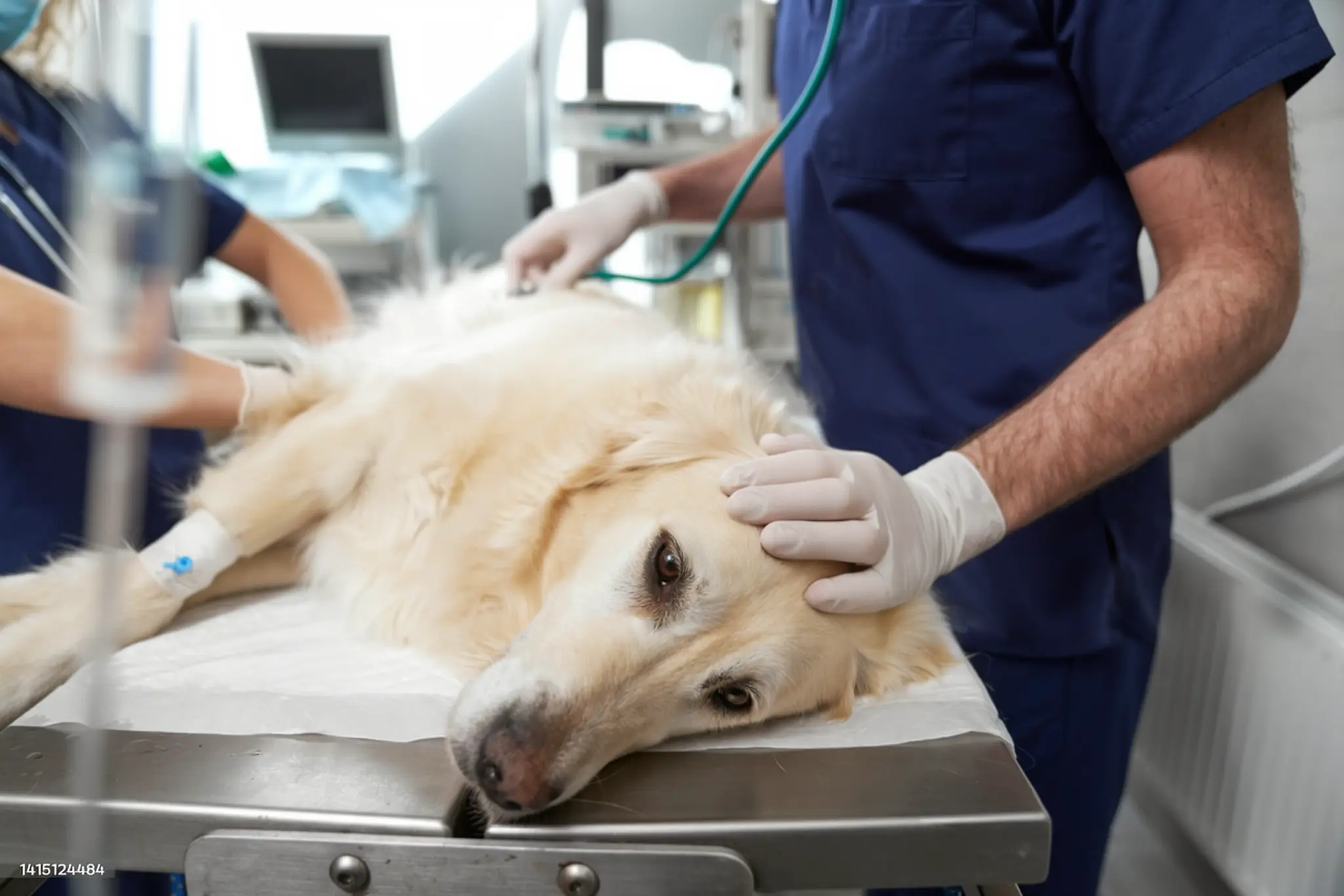
Dog showing signs of liver disease requiring clinical assessment

Gallbladder Disease

Biliary obstruction or infection causing jaundice, pain, and requiring surgical or medical intervention

Portosystemic Shunt

Congenital vascular abnormality bypassing liver detoxification, causing hepatic encephalopathy in young dogs

Endocrine-Related Hepatopathy

Hepatic changes secondary to hyperadrenocorticism or diabetes causing enzyme elevation and dysfunction

✦ If your dog is showing liver disease symptoms and you're uncertain about the severity, take informed action. Veterinary AI delivers real-time clinical triage tailored to your pet's specific presentation, helping you distinguish between manageable hepatic conditions and signs requiring immediate evaluation for acute liver failure, biliary obstruction, or hepatic encephalopathy with clarity and confidence.

+0
Symptoms analyzed
by pet owners worldwide
+0
Pet owners trusting
AI for their pet's health
0/7
Available anytime
even at 2AM emergencies

Safe Home Care & Monitoring Guidelines

Practical, medically safe actions to monitor your dog's liver health and overall condition

Monitor Appetite and Weight

Track daily food intake and weigh weekly; decreased appetite or weight loss may indicate liver dysfunction

Monitor Water Intake

Measure daily consumption; increased thirst may indicate hepatic dysfunction or metabolic changes

Track Vomiting Frequency

Record frequency and timing; persistent vomiting may indicate hepatic disease or toxin exposure

Check for Jaundice

Inspect gums and eye sclera daily; yellow discoloration may indicate liver failure or biliary obstruction

Monitor Energy Levels

Track lethargy or weakness; progressive fatigue may indicate worsening hepatic function

Maintain Health Diary

Document appetite, water intake, vomiting episodes, jaundice progression, and energy levels

πŸ’‘ Liver disease symptoms require prompt attention. If your dog shows persistent vomiting, severe lethargy, weakness, collapse, jaundice, abdominal distension, or seizures, seek immediate veterinary care. Do not delay; these may indicate acute liver failure or hepatic encephalopathy. Veterinary AI can help you prepare for emergency care while en route to the hospital.

TESTIMONIALS

OPYNIO Reviews Dog Liver Disease Symptoms

When Can Veterinary AI Help You and Your Dog?

Use Veterinary AI as a clinical support tool at these key moments.

When your dog shows liver disease symptoms and you're unsure of the severity β€” Veterinary AI delivers real-time clinical triage tailored to your pet's specific presentation, helping you distinguish between manageable hepatic conditions and signs of acute liver failure, biliary obstruction, or hepatic encephalopathy requiring emergency attention with clarity and confidence.
If hepatic symptoms persist for more than 24-48 hours, or your dog shows persistent vomiting, weight loss, jaundice, lethargy, or changes in thirst and appetite β€” Veterinary AI helps you assess urgency and compile a clinical timeline for your veterinarian, distinguishing between stable chronic conditions and signs requiring immediate emergency attention with clarity and confidence.
When you need clinically-grounded guidance before your veterinary visit β€” Veterinary AI delivers an exportable clinical summary with structured data including onset, progression, appetite, water intake, vomiting frequency, jaundice progression, weight changes, and accompanying signs, helping you prepare for a productive, informed consultation with your veterinarian.

πŸ’‘ Liver disease symptoms require prompt attention. If your dog shows persistent vomiting, severe lethargy, weakness, collapse, jaundice, abdominal distension, or seizures, do not wait; seek emergency veterinary care immediately. Veterinary AI provides immediate, evidence-based triage while you prepare for transport to the hospital.

When to Seek Immediate Emergency Care

These signs demand urgent veterinary evaluation. Veterinary AI helps you assess risk in real time.

Dog with liver disease showing signs of hepatic failure requiring emergency veterinary care

Complete loss of appetite with persistent vomiting. Instant Symptom Analysis and Risk Scoring flag this as critical and guide your immediate actions toward emergency evaluation.

Severe lethargy, weakness, or collapse with hepatic symptoms. Risk Scoring identifies potential hepatic encephalopathy or metabolic derangement and prompts an urgent care recommendation.

Seizures or neurological signs with liver disease. Smart Triage assesses hepatic encephalopathy and recommends immediate emergency transport.

Jaundice (yellow gums or eyes) with abdominal distension. Urgency Level Assessment evaluates biliary obstruction or liver failure and recommends immediate emergency transport.

Known toxin exposure (xylitol, aflatoxins, certain medications). The exportable Clinical Summary Report documents critical history for emergency handover.

Persistent bleeding, bruising, or pale gums with liver symptoms. The Clinical Summary Report captures objective data and provides a structured handoff for emergency teams.

Any of these signs? Do not wait.

Veterinary AI prepares a clinical summary for your veterinarian while you travel, but immediate veterinary attention is essential.

Start Symptom Assessment

Monthly

Flexible, cancel anytime

€9.99 /month
AI symptom assessment
Emergency guidance 24/7
Preventive care reminders
Wellness monitoring
Breed-specific health tips
Unlimited conversations
Start monthly plan
SAVE 24%

Annual

Best value for your pet

€90.99 /year

Just €7.58/month

AI symptom assessment
Emergency guidance 24/7
Preventive care reminders
Wellness monitoring
Breed-specific health tips
Unlimited conversations
Priority support
Start annual plan

By submitting you agree to our Privacy Policy

Veterinary AI

AI-Powered Pet Care 24/7

More and more pet owners trust Veterinary AI for their pet's health. Get instant AI consultations, track medical records, set vaccine reminders, and access expert guidance β€” all from your phone. No waiting rooms, no appointments. Start now.
FAQ

Frequently Asked
Questions

Everything you need to know about liver disease symptoms in dogs and how Veterinary AI can help. Can't find what you're looking for?

Start Symptom Assessment

What are common signs of liver disease in dogs?

Common signs include loss of appetite, weight loss, vomiting, jaundice (yellow gums/eyes), increased thirst, lethargy, and abdominal distension.

Can liver disease in dogs be treated?

Yes. Treatment depends on the underlying cause and may include dietary changes, medications, and supportive care to manage symptoms and slow progression.

Should I take my dog to the vet for jaundice (yellow gums)?

Yes. Jaundice is a red flag indicating potential liver failure or biliary obstruction; it requires immediate veterinary evaluation.

What is the difference between acute and chronic liver disease?

Acute liver injury occurs suddenly (often due to toxins or infection) and may be reversible; chronic liver disease develops over time and requires long-term management.

Can diet help dogs with liver disease?

Yes. Prescription hepatic diets are formulated to support liver function, reduce ammonia levels, and provide easily digestible nutrients for affected dogs.