Veterinary AI provides objective, evidence-based symptom assessment to help you understand your dog’s condition and communicate effectively with your veterinarian.
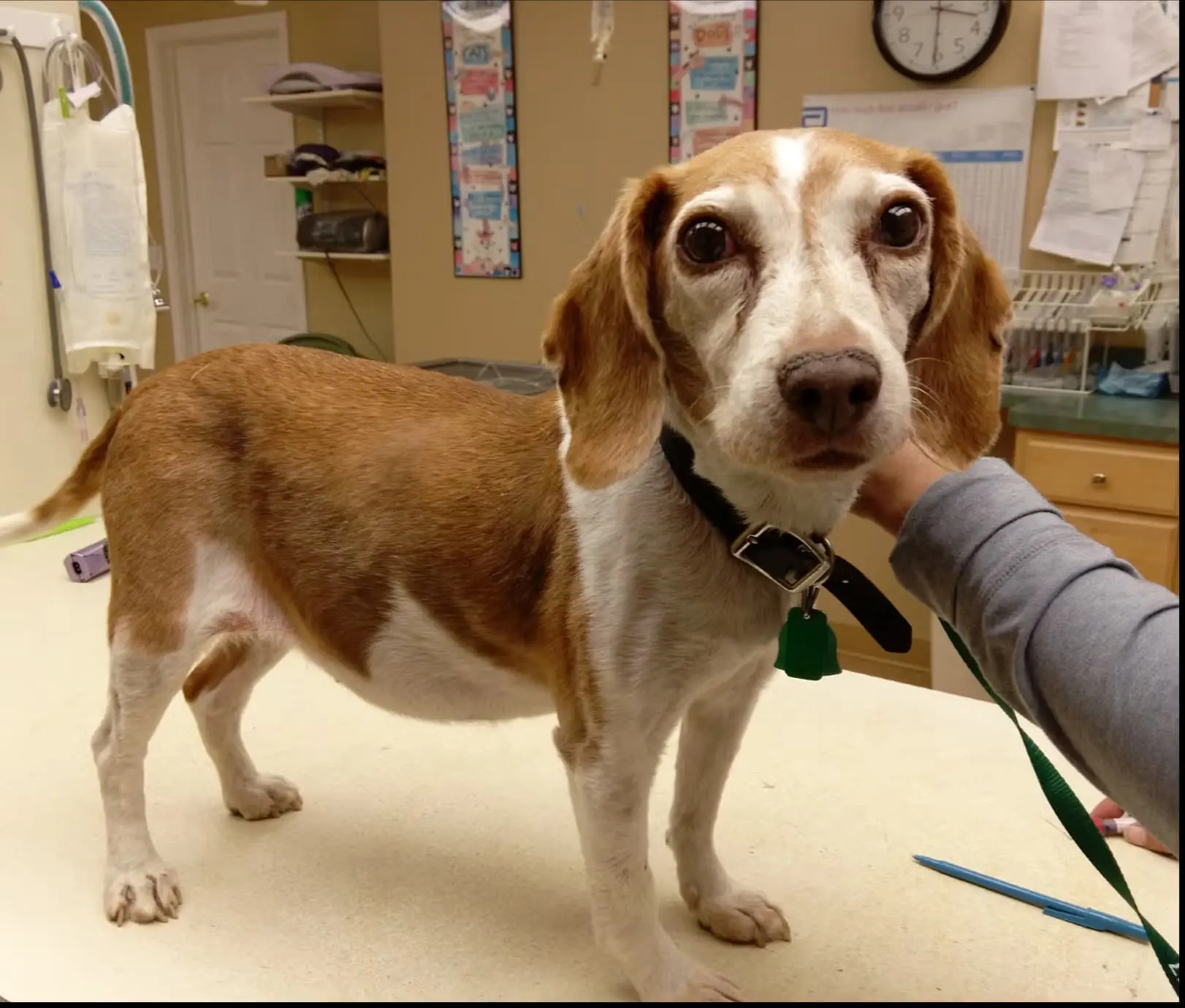
Β Cushing’s disease (hyperadrenocorticism) is an endocrine disorder characterized by chronic overproduction of cortisol by the adrenal glands. This hormonal excess affects multiple organ systems, leading to distinctive clinical signs. Common symptoms include increased thirst and urination, pot-bellied appearance, hair loss, and increased appetite.
While these symptoms can be concerning, early recognition and appropriate management are essential for quality of life. Veterinary AI helps you document symptom progression objectively, providing structured data that supports your veterinarian’s diagnostic process without replacing professional clinical judgment.
Cushing’s disease symptoms arise from cortisol excess and related factors.
Pituitary-Dependent Cushing's
Most common cause (80-85%), due to pituitary adenoma producing excess ACTH
Adrenal-Dependent Cushing's
Adrenal gland tumor (benign or malignant) causing autonomous cortisol secretion
Iatrogenic Cushing's
Prolonged or excessive corticosteroid administration leads to clinical signs
Atypical Cushing's
Cortisol excess without typical endocrine testing findings; often breed-related
Pituitary Microadenoma
Small pituitary tumors that can cause early or subtle clinical signs
Age-Related Changes
Older dogs (especially over 8 years) have higher incidence of Cushing's disease
β¦ If your dog is showing Cushing's disease symptoms and you're uncertain about the severity, take informed action. Veterinary AI delivers real-time clinical triage tailored to your pet's specific presentation; helping you distinguish between benign metabolic changes and signs requiring immediate evaluation with clarity and confidence.
Practical, non-invasive actions to support your dog's condition and track symptom progression
Monitor Water Intake
Track daily water consumption; excessive drinking is a key Cushing's indicator
Document Urination Frequency
Note accidents or increased frequency; changes may indicate progression
Observe Appetite Changes
Monitor food intake; Cushing's often causes increased appetite
Track Physical Changes
Document hair loss, abdominal enlargement, or skin changes
Maintain Consistent Routine
Regular feeding and exercise schedules support metabolic stability
Schedule Veterinary Evaluation
Consult your vet for comprehensive endocrine testing and diagnosis
π‘ Never administer medications or supplements without veterinary supervision. Improper treatment of Cushing's disease can cause serious complications. Always consult your vet for proper diagnosis, testing, and treatment. Do not attempt to self-medicate your dog with any hormonal or steroid products.
TESTIMONIALS
Timely, clinically-grounded support for every stage of your dog's health journey
When your dog shows Cushing's disease symptoms and you're unsure of the severity, Veterinary AI provides evidence-based triage to distinguish benign metabolic changes from signs requiring immediate veterinary evaluation.
If increased thirst, urination, or physical changes persist for more than 2 weeks, or your dog shows muscle weakness, panting, or skin changes, Veterinary AI helps you assess urgency and compile a timeline for your vet.
When you need clinically-grounded guidance to manage the next weeks safely while preparing the exact history (onset, progression, water intake, urination frequency, physical changes, and accompanying signs) your veterinarian needs for an informed diagnostic and treatment plan.
π‘ Always trust your instincts. If you're concerned about your dog's health, Veterinary AI provides immediate, evidence-based assessment; but never delays seeking emergency care when your dog shows collapse, difficulty breathing, severe lethargy, acute weakness, or any neurological signs.
These warning signs require urgent action, supported by Veterinary AI's core tools.
Acute collapse with Cushing's symptoms or severe weakness is flagged as a potential adrenal crisis requiring immediate emergency attention.
Difficulty breathing or respiratory distress with signs of Cushing's is identified as a potentially life-threatening condition requiring urgent care.
Severe vomiting or diarrhea with Cushing's symptoms is assessed for gastrointestinal compromise at any hour.
Neurological signs (seizures, disorientation) with endocrine symptoms trigger an elevated urgency assessment.
Known Cushing's disease with sudden symptom worsening is compiled into a vet-ready report.
Signs of thromboembolism (sudden lameness, pain, respiratory distress) are documented and exported for rapid emergency handover.
Any of these signs? Do not wait.
Veterinary AI prepares a clinical summary for your veterinarian while you travel, but immediate veterinary attention is essential.
Flexible, cancel anytime
Best value for your pet
Just β¬7.58/month
Thanks for your interest in Veterinary AI. We'll notify you as soon as your AI consultation is ready. Check your email for confirmation.
More and more pet owners trust Veterinary AI for their pet's health. Get instant AI consultations, track medical records, set vaccine reminders, and access expert guidance β all from your phone. No waiting rooms, no appointments. Start now.
Everything you need to know about Cushing's disease symptoms in dogs and how Veterinary AI can help. Can't find what you're looking for?
Start Symptom AssessmentCommon signs include increased thirst and urination, pot-bellied appearance, hair loss, increased appetite, lethargy, and panting.
While not always curable, Cushing's disease is manageable with medication, surgery (for adrenal tumors), or radiation therapy. Treatment focuses on managing symptoms and improving quality of life.
Poodles, Dachshunds, Boxers, Boston Terriers, and Yorkshire Terriers have higher predisposition to Cushing's disease.
Diagnosis requires specific testing including ACTH stimulation test, low-dose dexamethasone suppression test, or urine cortisol-to-creatinine ratio, plus abdominal ultrasound.
Untreated Cushing's can lead to serious complications including diabetes, hypertension, thromboembolism, recurrent infections, and increased mortality risk.