Cat Not Peeing? Get Clinical Clarity Now

Understand the severity of your cat’s urinary obstruction through AI-powered triage guidance, designed to support your decision-making before and during your veterinary visit.

VETERINARY AI FOR PET OWNERS

Understanding Your Cat's Inability to Urinate: A Clinical Perspective

A cat that is unable to urinate represents a medical emergency. Urinary obstruction (most commonly from urethral plugs, stones, or spasms) can lead to acute kidney injury, electrolyte imbalances, and bladder rupture within 24-48 hours. Male cats are at significantly higher risk due to their narrower urethra.

Your concern is absolutely valid; this is one of the most critical emergencies in feline medicine. Do not wait to see if it resolves. Immediate veterinary intervention is required to relieve the obstruction and prevent life-threatening complications. Time is of the essence.

Veterinary AI

Assess your cat's urinary emergency with clinical precision

Common Causes of Cat Not Peeing

Inability to urinate in cats is a medical emergency; these are the underlying causes requiring immediate veterinary attention.

Urethral Obstruction

Most common in male cats; mineral crystals or mucus plugs block the urethra, preventing urine passage.

Feline Idiopathic Cystitis (FIC)

Inflammation of the bladder without identifiable cause; can cause spasms and partial obstruction.

Urinary Tract Infection (UTI)

Bacterial infection causing inflammation, pain, and difficulty urinating; less common in young male cats.

Bladder Stones (Urolithiasis)

Mineral stones (struvite, calcium oxalate) that can lodge in the urethra causing obstruction.

Urethral Stricture

Narrowing of the urethra from previous trauma, inflammation, or scarring.

Neurological or Spinal Issues

Nerve dysfunction affecting bladder control; often accompanied by other neurological signs.


This list is for educational purposes only. Only a veterinarian can provide an accurate diagnosis through physical examination and diagnostic testing. Urinary obstruction is an emergency.

+0
Symptoms analyzed
by pet owners worldwide
+0
Pet owners trusting
AI for their pet's health
0/7
Available anytime
even at 2AM emergencies

Safe Home Care & Monitoring Guidelines

These steps are for monitoring ONLY while arranging emergency care. Do not attempt home treatment.

Do Not Delay — Emergency

If your cat has not urinated in 12+ hours or is straining with no output, this is life-threatening

Monitor Litter Box Frequency

Count visits and whether any urine is produced; zero output requires immediate care

Check for Straining or Vocalizing

Note any crouching, straining, crying, or genital licking; indicates obstruction

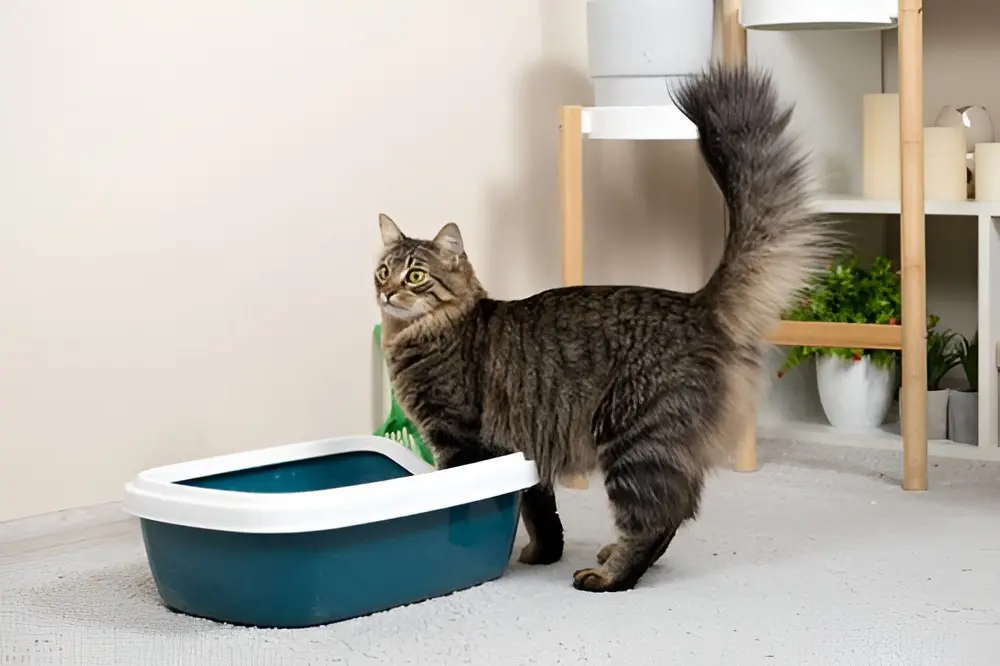
Cat straining in litter box: emergency urinary care and monitoring

Assess for Vomiting or Lethargy

Vomiting, hiding, weakness, or collapse may indicate kidney damage or toxicity

Palpate Bladder (Gently)

A firm, tense, painful bladder indicates obstruction; do not press firmly if unsure

Do Not Attempt Home Treatments

Do not give medications, try to express the bladder, or force water; can cause rupture

Urinary obstruction is a life-threatening emergency. These monitoring steps do not replace immediate veterinary care. If your cat cannot urinate, seek emergency care immediately. Veterinary AI provides real-time guidance to help you recognize the urgency of this situation.

TESTIMONIALS

OPYNIO Reviews Cat Peeing Blood

When Can Veterinary AI Help You and Your Cat?

Timely, clinically-grounded support for every stage of your cat's urinary emergency assessment

Unsure About Severity?

When your cat is not peeing and you need to understand if this is a life-threatening emergency requiring immediate care.

Straining with No Output?

If your cat is straining, vocalizing, or making frequent trips to the litter box with no output; immediate ER care is required.

Pre-Visit Preparation?

When you need clinically-grounded guidance to prepare for your emergency veterinary visit and document the timeline for the veterinarian.

💡 Do not wait. Urinary obstruction is one of the most critical emergencies in feline medicine. Veterinary AI provides immediate, evidence-based assessment to confirm the urgency; but never delays seeking emergency care when your cat cannot urinate.

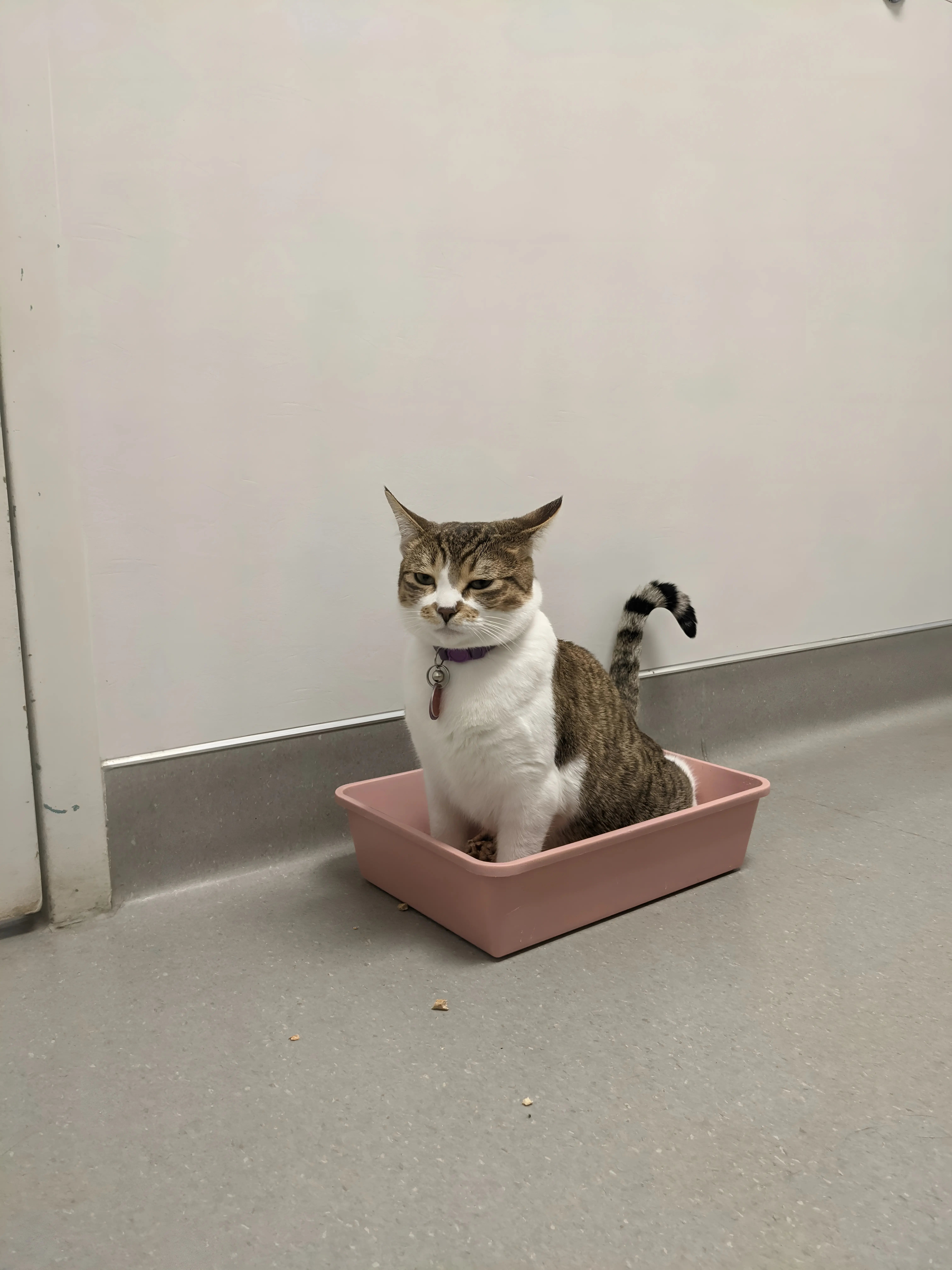
Cat with urinary obstruction showing signs of emergency condition needing immediate veterinary care

When to Seek Immediate Emergency Care

Red flags that require urgent veterinary attention; and how Veterinary AI supports each critical decision when your cat cannot urinate.

No Urine Output for 12+ Hours

Instant Risk Scoring flags life-threatening obstruction; emergency intervention required

Straining with Vocalizing

Risk Scoring identifies obstruction; immediate veterinary care required

Vomiting, Lethargy, or Collapse

24/7 Smart Triage detects systemic toxicity; escalate to ER immediately

Firm, Painful Bladder

Urgency Assessment identifies obstruction; immediate vet visit required

Blood in Urine or Complete Blockage

Exportable Report documents timeline and severity for your emergency vet; go immediately

Male Cat with Prior Urinary History

Exportable Report captures history for your emergency veterinarian; seek care now

🚨 These signs require immediate in-person emergency veterinary care. Veterinary AI is not a substitute for emergency medical attention. If your cat shows any of these red flags alongside an inability to urinate, do not delay; seek emergency care immediately.

Monthly

Flexible, cancel anytime

€9.99 /month
AI symptom assessment
Emergency guidance 24/7
Preventive care reminders
Wellness monitoring
Breed-specific health tips
Unlimited conversations
Start monthly plan
SAVE 24%

Annual

Best value for your pet

€90.99 /year

Just €7.58/month

AI symptom assessment
Emergency guidance 24/7
Preventive care reminders
Wellness monitoring
Breed-specific health tips
Priority support
Start annual plan
Veterinary AI provides clinical triage support and educational information; it does not constitute a diagnosis, treatment plan, or substitute for professional, in-person veterinary care.

By submitting you agree to our Privacy Policy

Veterinary AI

AI-Powered Pet Care 24/7

More and more pet owners trust Veterinary AI for their pet's health. Get instant AI consultations, track medical records, set vaccine reminders, and access expert guidance — all from your phone. No waiting rooms, no appointments. Start now.
FAQ

Frequently Asked
Questions

Everything you need to know about urinary obstruction in cats, and how Veterinary AI can help. Can't find what you're looking for?

Start Symptom Assessment

How long can a cat go without peeing before it becomes an emergency?

A cat that has not urinated in 12-24 hours is in a life-threatening emergency. Urethral obstruction can cause fatal kidney damage within 24-48 hours.

What causes a male cat to suddenly stop peeing?

The most common cause is urethral obstruction from crystals, mucus plugs, or stones blocking the narrow male urethra. This is a medical emergency.

Can a cat recover from a urinary blockage without surgery?

Most urinary obstructions are managed with catheterization, fluids, and medications. Surgery (perineal urethrostomy) may be recommended for recurrent cases.

Is a cat not peeing a sign of kidney failure?

While kidney failure causes increased thirst and urination (not inability to pee), obstruction can lead to kidney failure. This requires immediate diagnosis.

How does a vet treat a cat that cannot urinate?

Treatment includes emergency catheterization to relieve the obstruction, IV fluids, pain management, and medications to relax the urethra and address underlying causes.