
Cat Wheezing? Get Clinical Triage Support Now

Your cat’s wheezing requires careful assessment. Veterinary AI helps you evaluate severity, monitor safely, and prepare for your vet visit with objective clinical data.

VETERINARY AI FOR PET OWNERS

Understanding Your Cat's Wheezing

Wheezing in cats is a high-pitched whistling sound during breathing that indicates narrowed or obstructed airways. This clinical sign often signals feline asthma, allergic bronchitis, or foreign body obstruction. Unlike occasional sneezing, persistent wheezing warrants prompt veterinary investigation.

While your instinct may be to observe and wait, remember that objective triage is your most reliable tool right now. Veterinary AI helps you distinguish between mild allergic responses and genuine respiratory emergencies, giving you clarity when you need it most.

Veterinary AI

Assess your cat's wheezing with clinical precision

Common Causes of Wheezing in Cats

Understanding these potential causes helps you identify respiratory concerns early and seek appropriate veterinary care.

Mild Allergic Reaction

Environmental allergens (pollen, dust, mold) can trigger temporary wheezing in sensitive cats

Feline Asthma (Allergic Bronchitis)

Airway inflammation causes chronic wheezing, coughing, and labored breathing; a common feline respiratory condition

Respiratory Infection (Upper or Lower)

Viral (herpesvirus, calicivirus) or bacterial infections produce wheezing with nasal discharge or fever

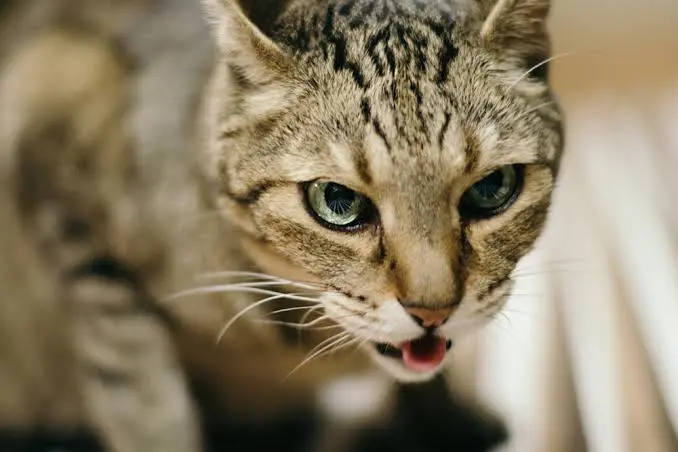
Cat wheezing: clinical assessment and triage support

Heart Disease (Cardiomyopathy)

Hypertrophic cardiomyopathy can cause wheezing due to pulmonary edema or cardiac enlargement compressing airways

Foreign Body or Tracheal Irritation

Inhaled foreign material or tracheal irritation triggers acute wheezing episodes

Parasitic Infection (Lungworms or Heartworms)

Lungworm or heartworm infestation causes wheezing, often with weight loss and respiratory distress

If your cat shows wheezing with lethargy, appetite loss, or labored breathing, early detection is critical. Veterinary AI provides real-time clinical triage tailored to feline-specific risks; helping you distinguish between benign causes and conditions requiring prompt veterinary evaluation with clarity and confidence.

+0
Symptoms analyzed
by pet owners worldwide
+0
Pet owners trusting
AI for their pet's health
0/7
Available anytime
even at 2AM emergencies

Safe Home Care & Monitoring Guidelines

Non-invasive, medically safe measures to support your cat and monitor for early respiratory changes

Wheezing Episode Documentation

Note frequency, duration, timing (day/night), and any triggers (excitement, rest, environmental changes)

Respiratory Rate and Effort Monitoring

Count breaths per minute while your cat sleeps; normal is 20-30 breaths per minute; increased effort indicates distress

Gum Color and Mucous Membrane Check

Healthy gums are pink; pale, grey, or blue gums indicate oxygenation compromise requiring immediate attention

Environmental Cleanliness and Allergen Reduction

Reduce airborne allergens (dust, pollen, strong fragrances); use an air purifier to minimize wheezing triggers

Appetite, Water Intake, and Energy Observation

Track eating and drinking patterns; decreased consumption or lethargy may indicate systemic illness requiring evaluation

Clinical Summary Preparation

Document wheezing onset, frequency, triggers, and associated signs (lethargy, appetite changes, weight loss) for your veterinarian

These are supportive measures only. They do not replace professional veterinary assessment or treatment. Always consult your veterinarian for definitive guidance.

TESTIMONIALS

OPYNIO Reviews Cat Wheezing

When Can Veterinary AI Help You and Your Cat?

Timely, clinically-grounded support for every stage of your cat's wheezing assessment

Unsure About Severity?

When your cat wheezes and you cannot determine whether it is a mild allergic response or a sign of asthma, heart disease, or respiratory infection requiring prompt veterinary attention.

Persistent or Escalating?

If your cat shows persistent wheezing (beyond 24 hours), lethargy, appetite loss, labored breathing, or blue gums; these may indicate feline asthma, bronchitis, or heart disease.

Pre-Visit Preparation?

When you need clinically-grounded guidance while preparing the exact history (wheezing frequency, sound, timing, triggers, and all clinical observations) your veterinarian needs for evaluation.

💡 Always trust your instincts. If you are concerned about your cat's wheezing, Veterinary AI provides immediate, evidence-based assessment; but never delays seeking emergency care when your cat shows labored breathing, blue gums, collapse, or signs of respiratory distress.

When to Seek Immediate Emergency Care

These warning signs require urgent action, supported by Veterinary AI's core tools.

Emergency signs of severe wheezing and respiratory distress in cats requiring immediate veterinary care
🫁 Instant Symptom Analysis & Risk Scoring

Wheezing with open-mouth breathing or significant respiratory effort is flagged as a critical emergency; this may indicate severe asthma, airway obstruction, or pulmonary edema requiring immediate intervention.

🔴 Instant Symptom Analysis & Risk Scoring

Wheezing accompanied by blue, grey, or pale gums triggers a critical alert; this indicates severe oxygenation compromise requiring immediate evaluation.

🔄 24/7 Smart Triage & Urgency Assessment

Sudden onset of wheezing with collapse or inability to stand signals a life-threatening event; immediate emergency transport is essential.

🫨 24/7 Smart Triage & Urgency Assessment

Wheezing with significant respiratory effort (abdominal breathing, extended neck posture) indicates severe airway compromise requiring urgent care.

📄 Exportable Clinical Summary Report

Chronic wheezing with concurrent weight loss or lethargy requires organized data for your vet; our report consolidates all symptoms, wheezing characteristics, and timeline.

📋 Exportable Clinical Summary Report

If your cat has a known respiratory condition and wheezing worsens; our summary helps your vet adjust treatment plans rapidly with comprehensive clinical data.

Any of these signs? Do not wait.

Veterinary AI prepares a clinical summary for your veterinarian while you travel, but immediate emergency veterinary attention is essential for severe wheezing or respiratory distress in cats.

Start Symptom Assessment

Monthly

Flexible, cancel anytime

€9.99 /month
AI symptom assessment
Emergency guidance 24/7
Preventive care reminders
Wellness monitoring
Breed-specific health tips
Unlimited conversations
Start monthly plan
SAVE 24%

Annual

Best value for your pet

€90.99 /year

Just €7.58/month

AI symptom assessment
Emergency guidance 24/7
Preventive care reminders
Wellness monitoring
Breed-specific health tips
Priority support
Start annual plan
Veterinary AI provides clinical triage support and educational information; it does not constitute a diagnosis, treatment plan, or substitute for professional, in-person veterinary care.

By submitting you agree to our Privacy Policy

Veterinary AI

AI-Powered Pet Care 24/7

More and more pet owners trust Veterinary AI for their pet's health. Get instant AI consultations, track medical records, set vaccine reminders, and access expert guidance — all from your phone. No waiting rooms, no appointments. Start now.

FAQ

Frequently Asked
Questions

Everything you need to know about cat wheezing and how Veterinary AI can help. Can't find what you're looking for?

Start Symptom Assessment

When should I worry about my cat wheezing?

Worry if wheezing persists beyond 24 hours, occurs daily, or is accompanied by lethargy, appetite loss, labored breathing, or blue gums. Veterinary evaluation is recommended.

Can cats wheeze from allergies?

Yes, environmental allergens (pollen, dust, mold) can cause wheezing. However, persistent wheezing warrants veterinary investigation to rule out asthma or other conditions.

Is cat wheezing always a sign of asthma?

No. Wheezing may indicate respiratory infection, heart disease, foreign body, or parasitic infection. Proper veterinary diagnosis is essential.

What does a cat asthma wheeze sound like?

Feline asthma typically produces a high-pitched whistling sound during exhalation, often accompanied by coughing and labored breathing.

Can stress cause wheezing in cats?

Stress can exacerbate underlying respiratory conditions, but it is rarely the primary cause. Persistent wheezing always warrants veterinary investigation.