Cat Urinary Blockage: Clinical Triage Support

Understand your cat’s urinary obstruction signs with AI-assisted clinical reasoning. Get objective, evidence-based triage guidance to help you assess urgency and prepare meaningfully for your in-person veterinary consultation.

VETERINARY AI FOR PET OWNERS

When Your Cat's Urine Flow Stops

Feline urethral obstruction is a life-threatening emergency caused by urethral plugs, stones, or spasms that prevent urination. Clinical manifestations (straining to urinate, vocalizing in the litter box, producing only small amounts of urine, or complete anuria) reflect the rapidly progressive effects of urinary retention and post-renal azotemia; every minute counts in this true emergency.

This is a medical emergency requiring immediate veterinary attention. Objective, systematic triage empowers you to recognize the warning signs early and act decisively. Veterinary AI provides structured guidance that supports, not replaces, your veterinarian’s emergency expertise.

Veterinary AI

Assess your cat's urinary blockage symptoms with clinical precision

Common Causes of Cat Urinary Blockage

Feline urethral obstruction originates from multiple clinical pathways, listed from mild to severe.

Feline Idiopathic Cystitis (FIC)

Stress-induced inflammation creates urethral plugs without identifiable crystals or stones; common in young male cats.

Urethral Plugs (Protein-Mineral Matrix)

Mucus, crystals, and cellular debris form a soft plug that obstructs the narrow male urethra.

Struvite Urethroliths

Magnesium ammonium phosphate stones form in alkaline urine; common in cats on high-magnesium diets.

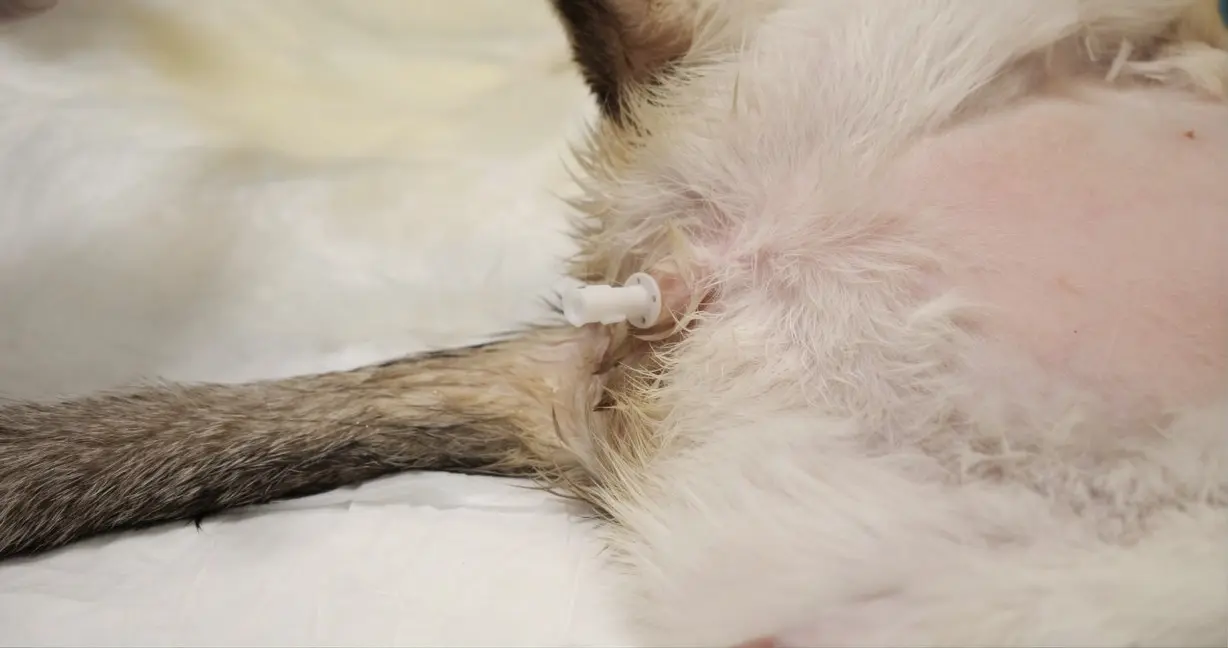
Cat showing signs of urinary blockage including straining and vocalizing requiring immediate emergency care

Calcium Oxalate Urethroliths

Hard, radiopaque stones form in acidic urine; more common in certain breeds and older cats.

Urethral Stricture or Spasm

Narrowing or involuntary contraction of the urethra can cause partial or complete obstruction.

Urethral Mass or Neoplasia

Tumors (benign or malignant) in the urethra can physically obstruct urine flow in older cats.

This list represents common differentials but does not constitute a complete diagnosis. Urinary blockage is a life-threatening emergency. Persistent straining, little to no urine output, vocalizing, or signs of pain warrant immediate emergency veterinary evaluation. Veterinary AI provides real-time clinical triage tailored to feline-specific urinary obstruction risks, helping you recognize this emergency and seek prompt veterinary attention with clarity and confidence.

+0
Symptoms analyzed
by pet owners worldwide
+0
Pet owners trusting
AI for their pet's health
0/7
Available anytime
even at 2AM emergencies

Safe Home Care & Monitoring Guidelines

Urinary blockage is an emergency. These measures support your cat ONLY while arranging immediate veterinary care

Litter Box Behavior Monitoring

Monitor frequency of litter box visits, straining, vocalizing, and urine production; document if only drops or no urine

Pain and Distress Observation

Observe for crying, restlessness, hiding, licking genital area, or abdominal discomfort; these indicate severe pain

Systemic Signs Monitoring

Check for lethargy, vomiting, loss of appetite, or weakness; these indicate advanced obstruction and require immediate emergency care

Keep Calm During Transport

Keep your cat calm in a carrier with a familiar blanket; minimize stress while traveling to the emergency hospital

Do NOT Attempt Bladder Expression

Do not try to express the bladder or give medications; this can cause bladder rupture; leave this to veterinary professionals

Clinical Summary Preparation

Document litter box behavior, urine output, pain signs, systemic changes, and timeline for the emergency team

These guidelines are supportive measures only. Urinary blockage is a life-threatening emergency. DO NOT wait to see if it resolves. Seek immediate emergency veterinary care. Any cat showing straining, little or no urine output, or vocalizing requires immediate emergency assessment.

TESTIMONIALS

OPYNIO Reviews Cat Urinary Blockage

When Can Veterinary AI Help You and Your Cat?

Timely, clinically-grounded support for every stage of your cat's urinary blockage emergency

Confirm This Is an Emergency

When your cat shows signs of urinary blockage (straining, little or no urine output, vocalizing) and you need to confirm that this is a life-threatening emergency requiring immediate veterinary intervention.

Partial vs. Complete Obstruction

If you are unsure whether your cat's symptoms indicate a partial obstruction (drops of urine) or complete blockage (no urine), both require immediate emergency care as partial obstructions can rapidly progress to complete blockage.

Pre-Emergency Visit Preparation

When you need clinically grounded, exportable guidance to maximize the effectiveness of your emergency veterinary visit; including a structured clinical summary documenting litter box behavior, urine output, pain signs, systemic changes, and a timeline of symptoms.

🚨 Do not wait. Urinary blockage is a life-threatening emergency that does not resolve on its own. If your cat is straining to urinate, producing little to no urine, or vocalizing, seek immediate emergency veterinary care. Veterinary AI provides immediate, evidence-based assessment; but NEVER delays seeking emergency care.

When to Seek Immediate Emergency Care

These warning signs require URGENT action, supported by Veterinary AI's core tools when your cat shows urinary blockage symptoms and related signs.

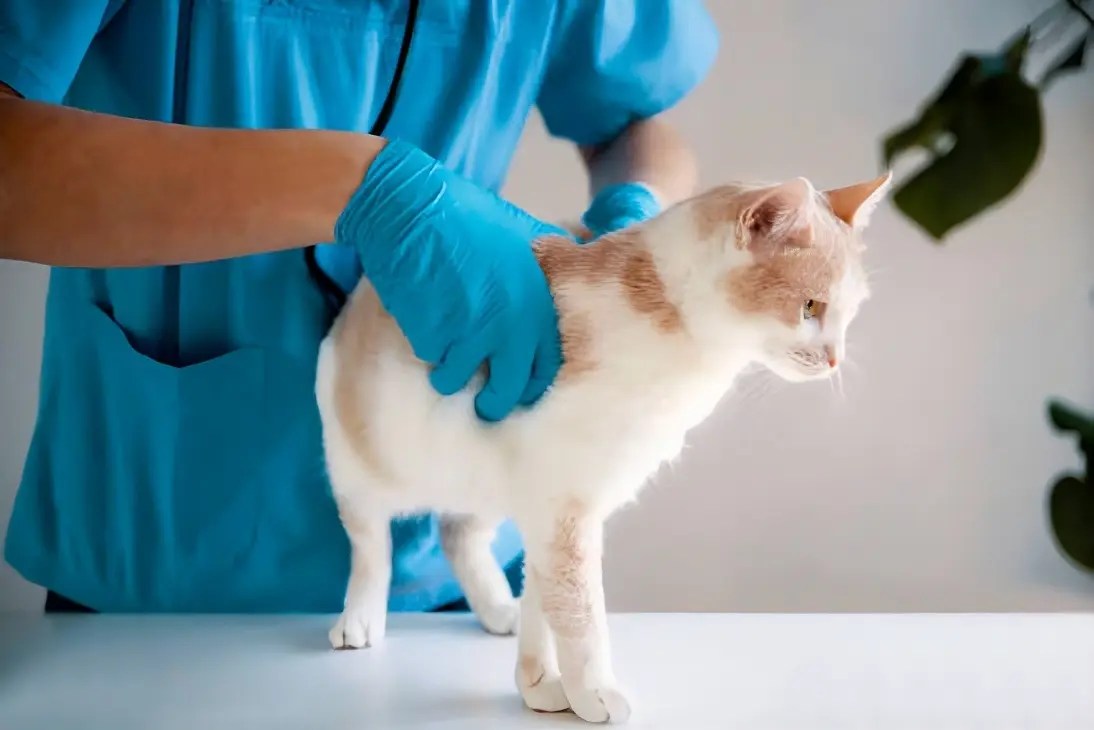
Emergency signs of severe urinary obstruction in cats requiring immediate veterinary care
🚨 Instant Symptom Analysis & Risk Scoring

Straining to urinate with little or no urine production is flagged as a CRITICAL emergency; this indicates urethral obstruction requiring immediate catheterization and intensive care.

Instant Symptom Analysis & Risk Scoring

Repeated trips to the litter box with vocalization (crying) triggers a critical alert; this indicates severe pain and distress associated with bladder distension requiring immediate evaluation.

🔄 24/7 Smart Triage & Urgency Assessment

Vomiting, lethargy, or loss of appetite with straining signals critical decompensation; this may indicate post-renal azotemia and systemic toxicity requiring immediate life-saving care.

🩸 24/7 Smart Triage & Urgency Assessment

Hiding, restlessness, or signs of abdominal pain with straining indicates severe discomfort; urgent evaluation for bladder rupture or severe obstruction is essential.

📄 Exportable Clinical Summary Report

Blood in the urine (hematuria) or complete absence of urine requires organized data for your vet; our report consolidates obstruction signs, urine output, and clinical timeline for rapid diagnostic evaluation.

📋 Exportable Clinical Summary Report

Signs of systemic toxicity (weakness, collapse, or severe lethargy) require comprehensive data; our summary documents all observed changes and clinical history to help your emergency veterinarian expedite triage.

🚨 Any of these signs? DO NOT WAIT.

Veterinary AI prepares a clinical summary for your emergency veterinarian while you travel, but immediate emergency veterinary attention is essential for straining with little/no urine, vocalizing, vomiting, lethargy, or collapse in cats. This is a life-threatening emergency.

Start Urinary Blockage Assessment

Monthly

Flexible, cancel anytime

€9.99 /month
AI symptom assessment
Emergency guidance 24/7
Preventive care reminders
Wellness monitoring
Breed-specific health tips
Unlimited conversations
Start monthly plan
SAVE 24%

Annual

Best value for your pet

€90.99 /year

Just €7.58/month

AI symptom assessment
Emergency guidance 24/7
Preventive care reminders
Wellness monitoring
Breed-specific health tips
Priority support
Start annual plan
Veterinary AI provides clinical triage support and educational information; it does not constitute a diagnosis, treatment plan, or substitute for professional, in-person veterinary care.

By submitting you agree to our Privacy Policy

Veterinary AI

AI-Powered Pet Care 24/7

More and more pet owners trust Veterinary AI for their pet's health. Get instant AI consultations, track medical records, set vaccine reminders, and access expert guidance — all from your phone. No waiting rooms, no appointments. Start now.
FAQ

Frequently Asked
Questions

Everything you need to know about cat urinary blockage and how Veterinary AI can help. Can't find what you're looking for?

Start Urinary Blockage Assessment

What are the signs of a urinary blockage in a cat?

Signs include straining to urinate (often with little or no urine), frequent trips to the litter box, vocalizing/crying, restlessness, hiding, vomiting, and lethargy. This is a life-threatening emergency.

Is a urinary blockage in cats an emergency?

YES. Urinary blockage is a life-threatening emergency requiring immediate veterinary attention. Complete obstruction can cause kidney failure, cardiac arrest, and death within 24-48 hours.

Can a cat with a urinary blockage still urinate a little?

A cat with a partial obstruction may produce small amounts or drops of urine. However, partial obstructions can quickly progress to complete blockage, making this an emergency.

What causes urinary blockage in male cats?

Causes include urethral plugs (protein-mineral matrix), struvite or calcium oxalate stones, feline idiopathic cystitis (stress-induced), urethral spasms, and strictures.

How is a urinary blockage in cats treated?

Emergency treatment includes stabilizing the cat, placing a urinary catheter to relieve the obstruction, providing fluid therapy, and addressing metabolic abnormalities. Underlying causes are treated after stabilization.