Fish Not Eating? Clinical Triage Support for Aquarium Fish

Understand the clinical significance of appetite loss in your fish. Our AI-powered triage helps you assess severity and determine the right next steps, while always respecting the veterinarian’s central role in diagnosis and treatment.

VETERINARY AI FOR PET OWNERS

Understanding Appetite Loss in Fish: A Clinically Relevant Symptom

Appetite reduction in fish is a clinically meaningful sign that may indicate underlying stress, water quality deterioration, infectious disease, or systemic organ dysfunction. This symptom often serves as an early warning signal that warrants objective observation and timely evaluation.

While appetite loss can be alarming, not every instance signals a critical emergency. However, objective monitoring and structured triage remain essential. Veterinary AI provides a calm, data-informed framework to help you assess urgency and prepare meaningful information for your aquatic veterinarian.

Veterinary AI

Assess your fish's appetite loss with clinical precision

Common Causes of Fish Not Eating

Appetite loss in fish may stem from environmental, behavioral, or pathological factors.

Environmental Stress

Sudden changes in temperature, pH, or ammonia levels directly suppress feeding behavior.

Behavioral Adaptation

New tank introductions or social hierarchy changes can temporarily reduce appetite.

Nutritional Imbalance

Prolonged feeding of a single food type may lead to deficiencies or disinterest.

Parasitic Infestation

Internal or external parasites cause gastrointestinal distress and appetite suppression.

Bacterial Infection

Systemic infections often present with anorexia, lethargy, and abnormal swimming patterns.

Age-Related Decline

Senior fish may exhibit reduced metabolic demand and gradual feeding decrease.

+0
Symptoms analyzed
by pet owners worldwide
+0
Pet owners trusting
AI for their pet's health
0/7
Available anytime
even at 2AM emergencies
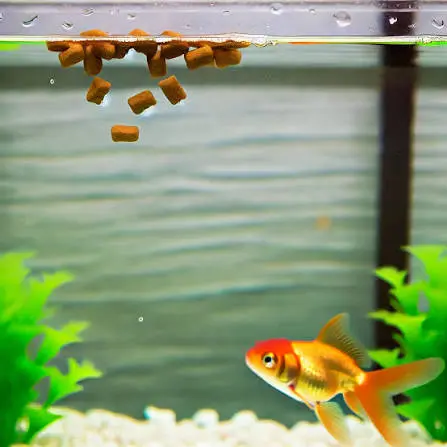
Fish showing signs of severe anorexia and lethargy requiring immediate aquatic veterinary care

When to Seek Immediate Emergency Care

Red flags that require urgent aquatic veterinary attention when your fish stops eating; and how Veterinary AI supports each critical decision.

Complete Anorexia for ≥5 Days

Instant Risk Scoring flags severe metabolic compromise requiring immediate aquatic veterinary intervention

Labored Breathing or Gasping at Surface

Risk Scoring prioritizes severe water quality toxicity or respiratory compromise; urgent care required

Anorexia + Lethargy + Color Dulling

24/7 Smart Triage escalates to critical urgency for systemic infection; immediate vet visit required

Visible Sores, Fin Rot, or Redness

Urgency Assessment recommends immediate evaluation for bacterial or parasitic infection

Ammonia ≥0.25 ppm + Anorexia

Exportable Report documents water parameters for your aquatic vet; immediate action required

Multiple Fish Affected Simultaneously

Exportable Report captures all observations for your emergency aquatic veterinarian; seek care now

🚨 These signs require immediate in-person aquatic veterinary care. Veterinary AI is not a substitute for emergency medical attention. If your fish shows any of these red flags alongside appetite loss, do not delay; seek emergency aquatic veterinary care immediately.

TESTIMONIALS

OPYNIO Reviews Fish Not Eating

When Can Veterinary AI Help You and Your Fish?

Timely, clinically-grounded support for every stage of your fish's appetite assessment

Unsure About Severity?

When your fish stops eating and you are uncertain whether this is a benign behavioral change, a response to environmental stress, or an early warning sign of systemic disease requiring veterinary evaluation.

Signs of Deterioration?

If appetite loss persists beyond 48 hours or your fish shows additional clinical signs such as lethargy, color dulling, fin clamping, labored breathing, or visible lesions — these may indicate serious underlying illness requiring prompt aquatic veterinary attention.

Pre-Visit Preparation?

When you need clinically grounded, exportable guidance to maximize the effectiveness of your upcoming aquatic veterinary consultation; including a structured summary documenting the duration of anorexia, water parameters (ammonia, nitrite, nitrate, pH), feeding history, behavioral observations, and any accompanying clinical signs.

💡 Always trust your instincts. If you are concerned about your fish's appetite loss, Veterinary AI provides immediate, evidence-based assessment; but never delays seeking aquatic veterinary care when symptoms worsen, the fish shows labored breathing, color dulling, or visible lesions. Anorexia can indicate serious underlying conditions requiring professional evaluation. Seek immediate aquatic veterinary care if your fish stops eating completely for more than 48 hours with lethargy, or shows signs of infection, labored breathing, or rapid weight loss.

veterinary ai - Warning Signs
emergency care

Warning signs that require urgent attention

Persistent vomiting with total refusal to eat

Immediately flagged as high risk, with emergency evaluation recommended.

Distended or painful abdomen combined with loss of appetite

May indicate risk of gastric torsion, requiring immediate veterinary evaluation.

Pale, bluish, or deep red gums

A sign of possible oxygenation problems, escalating the urgency of the case.

Sudden collapse, weakness, or inability to stand

Triggers a critical alert state with guidance for emergency contact.

Known ingestion of toxins or foreign objects

The exportable clinical summary documents the exposure for a fast emergency response.
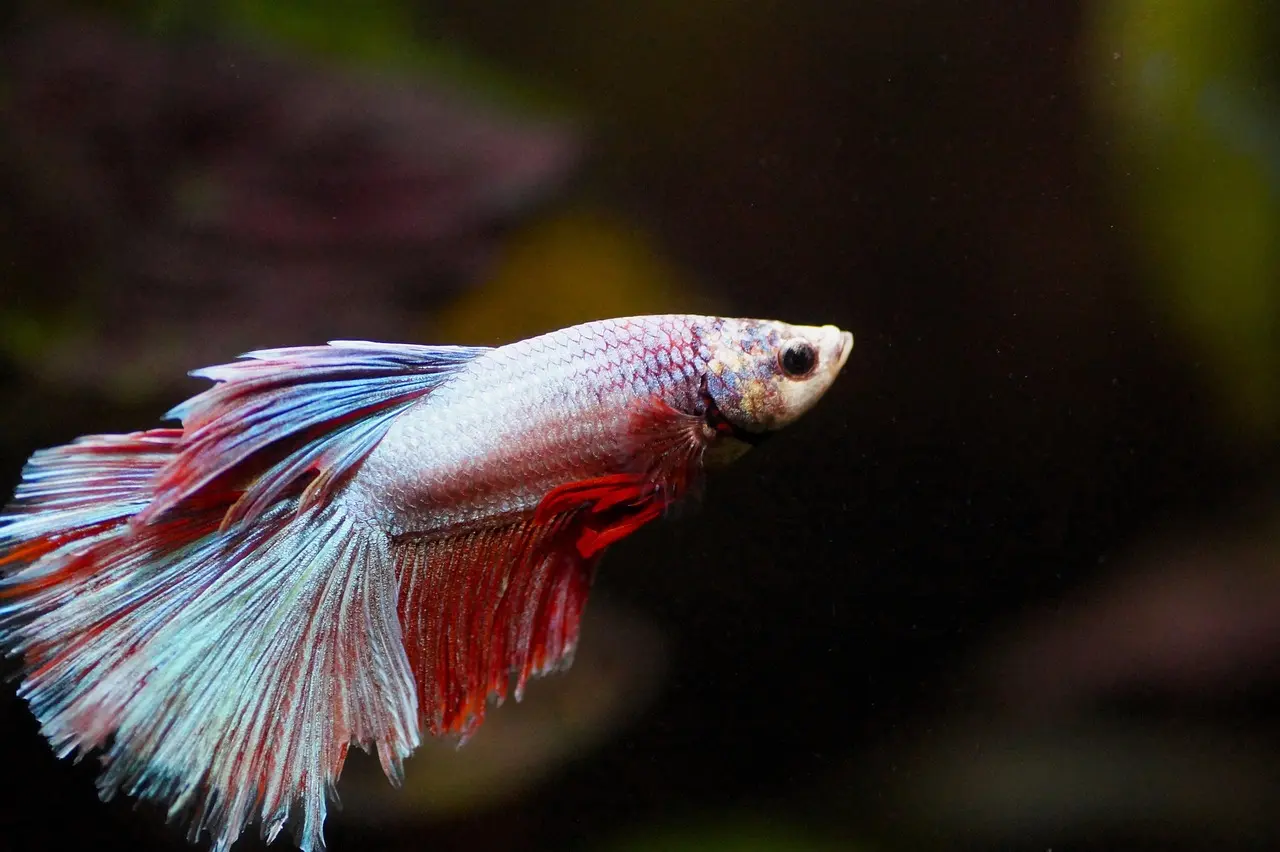
pet showing a warning sign

Monthly

Flexible, cancel anytime

€9.99 /month
AI symptom assessment
Emergency guidance 24/7
Preventive care reminders
Wellness monitoring
Breed-specific health tips
Unlimited conversations
Start monthly plan
SAVE 24%

Annual

Best value for your pet

€90.99 /year

Just €7.58/month

AI symptom assessment
Emergency guidance 24/7
Preventive care reminders
Wellness monitoring
Breed-specific health tips
Priority support
Start annual plan
Veterinary AI provides clinical triage support and educational information; it does not constitute a diagnosis, treatment plan, or substitute for professional, in-person veterinary care.

By submitting you agree to our Privacy Policy

Veterinary AI

AI-Powered Pet Care 24/7

More and more pet owners trust Veterinary AI for their pet's health. Get instant AI consultations, track medical records, set vaccine reminders, and access expert guidance — all from your phone. No waiting rooms, no appointments. Start now.
FAQ

Frequently Asked
Questions

Everything you need to know about appetite loss in aquarium fish and how Veterinary AI can help. Can't find what you're looking for?

Start Appetite Assessment

How long can a fish go without eating before it becomes dangerous?

Most healthy fish can survive 3–7 days without food, but anorexia lasting beyond 48 hours warrants veterinary attention, especially with other signs.

Why is my fish not eating but still active?

Active fish with appetite loss may experience stress, social competition, or diet boredom. Monitor for 24 hours and consider varied food offerings.

Can poor water quality cause fish to stop eating?

Yes. Elevated ammonia, nitrite, or improper pH directly suppresses appetite and indicates an urgent need for water correction and testing.

Should I force-feed my fish if it is not eating?

No. Force-feeding can cause injury and stress. Focus on water quality, offer palatable foods, and consult a veterinarian for guidance.

Is appetite loss in fish always a sign of disease?

Not always. Environmental changes, seasonal shifts, or reproductive behavior can reduce appetite. However, persistent anorexia warrants clinical evaluation.