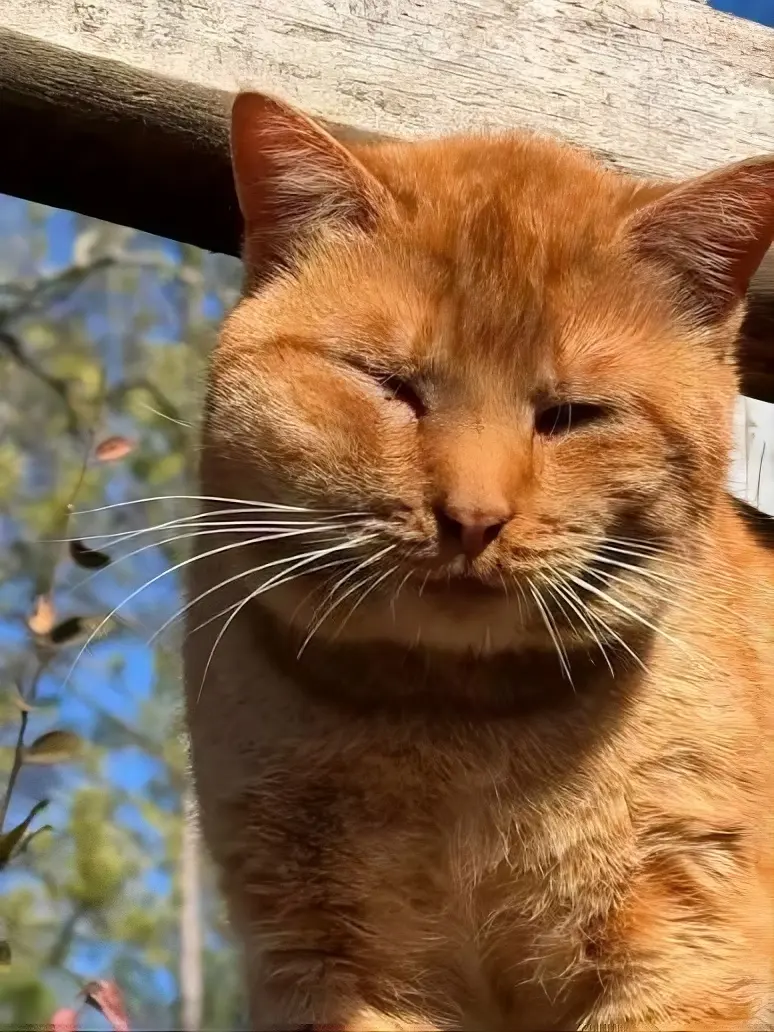
Understand the severity of your cat’s facial swelling through AI-powered triage guidance, designed to support your decision-making before and during your veterinary visit.
Facial swelling in cats can arise from dental disease, abscesses, allergic reactions, trauma, or neoplasia. The location and progression of edema provide critical diagnostic clues; unilateral swelling often indicates dental or bite-related issues, while bilateral swelling suggests allergy, infection, or systemic disease.
Your concern is valid; facial swelling can compromise breathing and vision. Do not panic; many causes are treatable with prompt intervention. However, objective triage and timely evaluation are critical, as airway compromise can progress rapidly.
Facial swelling in cats originates from various conditions, ranging from mild to life-threatening.
Unilateral swelling under the eye or jaw from infected tooth; painful, often with drooling.
Swelling from puncture wounds (usually from fights); may be warm, painful, and progress to purulent drainage.
Sudden, bilateral or generalized swelling (angioedema); often involves lips, eyelids, and ears.
Swelling with bruising or deformity after injury (falls, car accidents); may be accompanied by pain.
Firm, swollen lesions (usually lower lip or chin); non-painful; associated with allergy.
Progressive, firm, non-painful swelling; often persistent and slowly enlarging.
This list is for educational purposes only. Only a veterinarian can provide an accurate diagnosis through physical examination and diagnostic testing.
Follow these non-invasive steps to monitor your cat safely while awaiting veterinary guidance.
Gentle Observation
Visually inspect the swelling; never apply pressure, squeeze, or attempt to drain the area
Check Airway & Breathing
Monitor respiratory rate (normal: 20-30 breaths/min); note open-mouth breathing or wheezing
Monitor Eating & Drinking
Offer soft, moistened food to encourage intake; track appetite and water consumption
Document Swelling Progression
Take dated photos daily (front and side views) with a recognizable object for scale
Check for Fever or Lethargy
Use digital rectal thermometer if comfortable (normal: 100.5-102.5ยฐF); note behavior changes
Prevent Self-Trauma
Use an Elizabethan collar if persistently pawing or rubbing the swollen area
โฆ Home care does not replace veterinary diagnosis. Contact your veterinarian if swelling worsens, breathing becomes difficult, or your cat shows systemic signs. Veterinary AI provides real-time guidance to help you monitor and document your cat's condition effectively.
TESTIMONIALS
Timely, clinically-grounded support for every stage of your cat's facial swelling assessment
When your cat has facial swelling and you cannot determine whether it is an allergic reaction, abscess, or a condition requiring urgent care.
If the swelling persists beyond 24 hours, worsens, or your cat shows drooling, pawing, fever, or reduced appetite; these may indicate abscess or systemic infection.
When you need clinically-grounded guidance to prepare questions and documentation (swelling timeline, associated signs) for your veterinary consultation.
๐ก Always trust your instincts. If you're concerned about your cat's facial swelling, Veterinary AI provides immediate, evidence-based assessment; but never delays seeking emergency care when your cat shows difficulty breathing, rapid-onset swelling, or systemic signs like fever or lethargy.
Red flags that require urgent veterinary attention; and how Veterinary AI supports each critical decision when your cat shows concerning facial swelling.
Difficulty Breathing
Instant Symptom Analysis flags airway obstruction; immediate emergency evaluation required
Sudden, Rapid-Onset Swelling
Risk Scoring detects anaphylaxis; prompts immediate veterinary intervention and epinephrine
Swelling Extending to Throat/Neck
24/7 Smart Triage detects airway compromise risk; urgency escalates to emergency immediately
Severe Pain, Fever, or Lethargy
Urgency Assessment detects systemic infection; prompts immediate ER contact
Swelling with Bleeding or Trauma
Exportable Report documents injury mechanism and swelling characteristics for emergency vet
Inability to Eat, Drink, or Swallow
Exportable Report documents dehydration risk and oral exam findings; go immediately
๐จ These signs require immediate in-person emergency veterinary care. Veterinary AI is not a substitute for emergency medical attention. If your cat shows any of these red flags alongside facial swelling, do not delay; seek emergency care immediately.
Flexible, cancel anytime
Best value for your pet
Just โฌ7.58/month
Thanks for your interest in Veterinary AI. We'll notify you as soon as your AI consultation is ready. Check your email for confirmation.
More and more pet owners trust Veterinary AI for their pet's health. Get instant AI consultations, track medical records, set vaccine reminders, and access expert guidance โ all from your phone. No waiting rooms, no appointments. Start now.
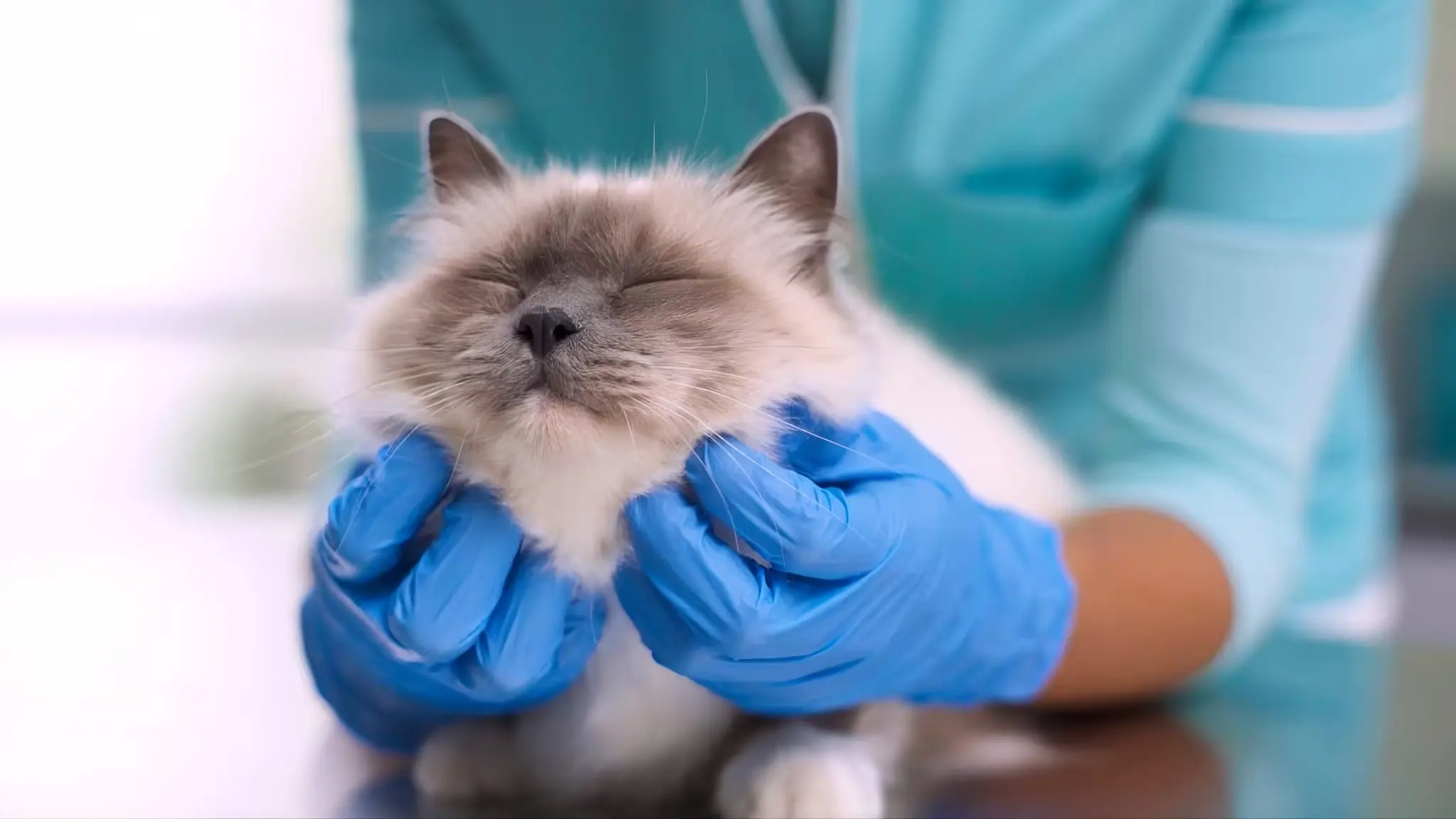
Everything you need to know about facial swelling in cats, and how Veterinary AI can help. Can't find what you're looking for?
Start Symptom AssessmentCommon causes include allergic reactions, insect stings, dental abscesses, bite wounds, and trauma. Sudden bilateral swelling suggests allergy; unilateral suggests localized infection.
Yes. Allergic reactions (to food, insects, medications) often cause sudden, bilateral swelling of the face, lips, and eyelids; veterinary care may include antihistamines or steroids.
Yes, if accompanied by difficulty breathing, open-mouth breathing, or rapid onset. Airway compromise is possible and requires immediate emergency care.
Yes. Tooth root abscesses are a common cause of unilateral facial swelling (especially under the eye). Prompt dental evaluation and treatment are needed.
Diagnosis may include physical exam, dental examination under sedation, X-rays, bloodwork, fine-needle aspiration, and allergy testing as indicated.