Kitten Diarrhea: Clinical Triage Support

Evaluate your kitten’s condition with AI-driven clinical guidance. Understand severity, monitor safely at home, and prepare data for your veterinarian without replacing their expert care.

VETERINARY AI FOR PET OWNERS

Understanding Diarrhea in Kittens: When to Monitor and When to Act

Kitten diarrhea is a common but clinically significant sign. Their immature gastrointestinal tracts and developing immune systems make them vulnerable to rapid fluid loss, nutritional imbalances, and underlying infectious or dietary triggers.

While occasional loose stools may resolve with minimal intervention, persistent or severe diarrhea can escalate quickly. Objective triage helps you distinguish manageable cases from emergencies, reducing anxiety while ensuring timely veterinary intervention when warranted.

Veterinary AI

Assess your kitten's diarrhea with clinical precision

Common Causes of Kitten Diarrhea

Kitten diarrhea can stem from various triggers, listed from mild to life-threatening.

Dietary Indiscretion

Sudden food changes, treats, or scavenging can disrupt a kitten's sensitive digestive tract; usually self-limiting.

Stress or Anxiety

New environments, visitors, or loud noises can trigger temporary intestinal upset; resolves with calm reassurance.

Intestinal Parasites

Roundworms, hookworms, or coccidia are common in young kittens; deworming and fecal testing are essential.

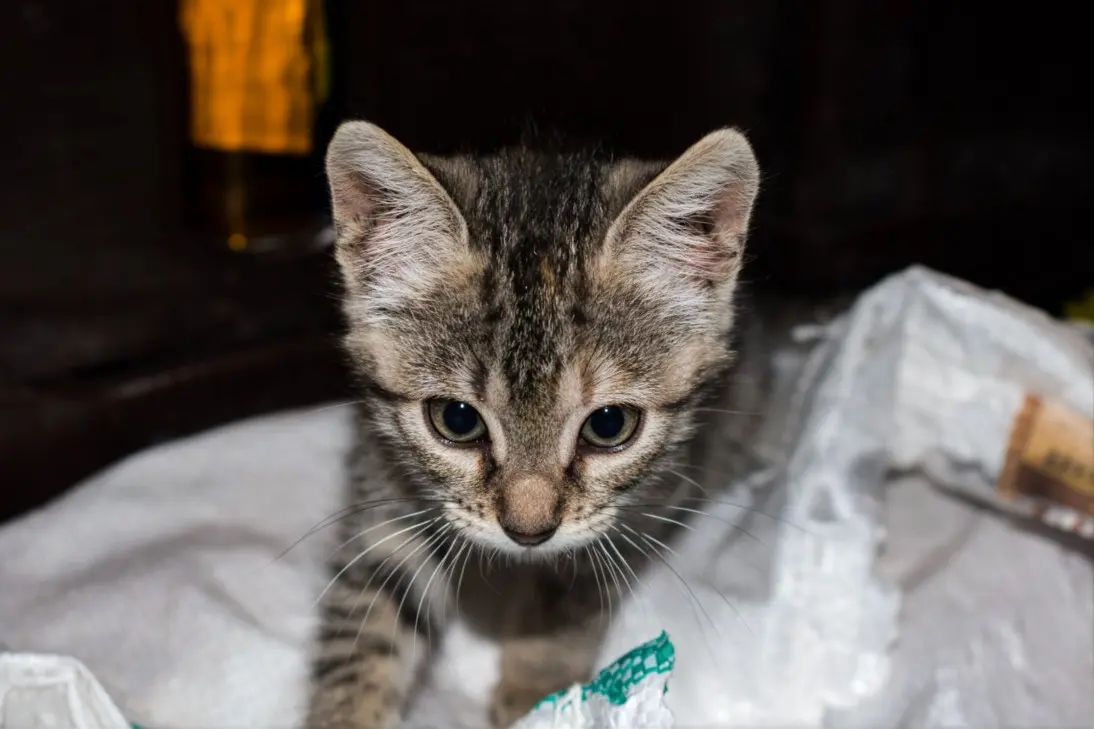
Kitten with diarrhea showing signs of dehydration, lethargy, and abdominal discomfort

Food Intolerance or Allergy

Protein sources (chicken, fish) or additives may provoke intestinal inflammation; elimination diets aid diagnosis.

Bacterial or Viral Infection

Salmonella, campylobacter, or feline panleukopenia require prompt veterinary diagnosis and supportive care.

Metabolic or Congenital Disorder

Pancreatic insufficiency, portosystemic shunts, or malabsorption syndromes; require advanced diagnostic workup.

This list represents common causes of kitten diarrhea but does not constitute a complete diagnosis. Kittens have limited fluid reserves and immature immune systems; diarrhea can rapidly lead to dehydration, electrolyte imbalances, and systemic illness. Persistent or bloody diarrhea, or diarrhea accompanied by lethargy or vomiting, is a medical emergency requiring immediate veterinary evaluation. Veterinary AI provides real-time clinical triage tailored to kitten diarrhea, helping you distinguish between mild dietary upset and life-threatening conditions requiring prompt veterinary attention with clarity and confidence.

+0
Symptoms analyzed
by pet owners worldwide
+0
Pet owners trusting
AI for their pet's health
0/7
Available anytime
even at 2AM emergencies

Safe Home Care & Monitoring Guidelines

Non-invasive, medically safe measures to support your kitten and monitor for diarrhea

Offer Small Amounts of Water or Electrolytes

Provide fresh water or veterinary-approved pediatric electrolyte solution every 2 hours to prevent dehydration

Withhold Solid Food Temporarily

Rest the gastrointestinal tract for 4-6 hours (unless diabetic or very young) before reintroducing a bland diet

Introduce a Bland, Easily Digestible Diet

Offer boiled chicken (skinless) with plain white rice or a veterinary gastrointestinal diet in small portions

Monitor Stool Frequency and Consistency

Track litter box output; note color, presence of blood, mucus, or any change in stool odor or volume

Keep Your Kitten Warm and Calm

Provide a quiet, warm, stress-free environment; reduce handling to allow the gastrointestinal tract to rest

Disinfect Bowls and Litter Boxes Daily

Wash food and water bowls with hot soapy water; disinfect litter boxes to prevent reinfection or spread

These guidelines are supportive measures, not treatment protocols. Kittens have limited fluid reserves and dehydrate rapidly. If diarrhea persists beyond 24 hours, becomes bloody, or is accompanied by vomiting, lethargy, or refusal to drink, seek emergency veterinary care immediately. Do not delay seeking professional evaluation.

TESTIMONIALS

OPYNIO Reviews Kitten Diarrhea

When Can Veterinary AI Help You and Your Kitten?

Timely, clinically-grounded support for every stage of your kitten's diarrhea assessment

Unsure About Severity?

When your kitten has diarrhea and you cannot determine whether it is a mild dietary upset or a sign of a serious infection requiring immediate veterinary attention.

Persistent or Accompanied Signs?

If diarrhea persists beyond 24 hours, or your kitten shows lethargy, vomiting, decreased appetite, or signs of dehydration — these may indicate serious underlying illness requiring urgent veterinary care.

Pre-Visit Preparation?

When you need clinically grounded, exportable guidance to maximize the effectiveness of your upcoming veterinary visit; including a structured summary documenting diarrhea onset, frequency, consistency, and accompanying observations.

💡 Always trust your instincts. If you are concerned about your kitten's diarrhea, Veterinary AI provides immediate, evidence-based assessment; but never delays seeking emergency care when a kitten shows lethargy, weakness, pale gums, vomiting, bloody stool, or signs of severe dehydration. Kittens dehydrate rapidly. Seek immediate veterinary care if symptoms worsen.

When to Seek Immediate Emergency Care

Kitten diarrhea can rapidly progress to severe dehydration and systemic illness. These warning signs require prompt veterinary attention, supported by Veterinary AI's core tools when your kitten has diarrhea.

🚨 Instant Symptom Analysis & Risk Scoring

Bloody or black, tarry stool indicates gastrointestinal hemorrhage; our AI risk-scoring immediately flags this as a critical emergency requiring urgent veterinary intervention.

🩸 24/7 Smart Triage & Urgency Assessment

Severe lethargy, collapse, or pale gums indicates systemic compromise; the system instantly escalates urgency and recommends emergency evaluation without delay.

📄 Exportable Clinical Summary Report

Diarrhea persisting >24 hours with lethargy requires organized data; our report consolidates onset, frequency, and stool characteristics for your emergency veterinarian.

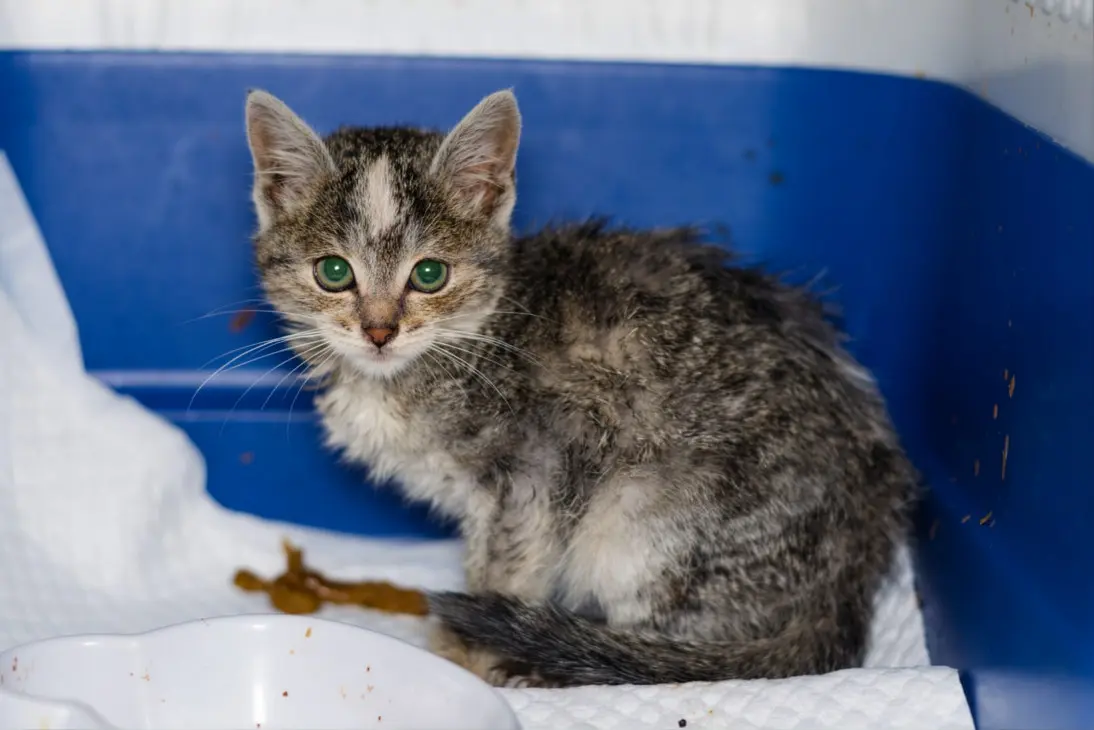
Emergency kitten diarrhea with severe dehydration, lethargy, and bloody stool requiring prompt veterinary care
Instant Symptom Analysis & Risk Scoring

Projectile or persistent vomiting alongside diarrhea suggests obstruction, toxin ingestion, or severe gastroenteritis requiring immediate diagnostic evaluation.

🔄 24/7 Smart Triage & Urgency Assessment

Abdominal distension, painful crying on palpation, or a hard abdomen signals potential obstruction or peritonitis requiring emergency surgical evaluation.

📋 Exportable Clinical Summary Report

Refusal to drink, sunken eyes, or reduced skin elasticity indicates severe dehydration; our summary documents hydration status and all clinical observations for rapid veterinary assessment.

🚨 Any of these signs? Seek emergency care NOW.

Veterinary AI prepares a clinical summary for your emergency veterinarian while you prepare, but prompt emergency attention is essential for kittens with diarrhea accompanied by bloody stool, persistent vomiting, lethargy, refusal to drink, or signs of severe dehydration. Kittens dehydrate rapidly and can deteriorate within hours. Transport your kitten to the nearest emergency animal hospital immediately. Do not delay seeking care.

Start Kitten Diarrhea Assessment

Monthly

Flexible, cancel anytime

€9.99 /month
AI symptom assessment
Emergency guidance 24/7
Preventive care reminders
Wellness monitoring
Breed-specific health tips
Unlimited conversations
Start monthly plan
SAVE 24%

Annual

Best value for your pet

€90.99 /year

Just €7.58/month

AI symptom assessment
Emergency guidance 24/7
Preventive care reminders
Wellness monitoring
Breed-specific health tips
Priority support
Start annual plan
Veterinary AI provides clinical triage support and educational information; it does not constitute a diagnosis, treatment plan, or substitute for professional, in-person veterinary care.

By submitting you agree to our Privacy Policy

Veterinary AI

AI-Powered Pet Care 24/7

More and more pet owners trust Veterinary AI for their pet's health. Get instant AI consultations, track medical records, set vaccine reminders, and access expert guidance — all from your phone. No waiting rooms, no appointments. Start now.
FAQ

Frequently Asked
Questions

Everything you need to know about kitten diarrhea and how Veterinary AI can help. Can't find what you're looking for?

Start Kitten Diarrhea Assessment

How long can kitten diarrhea last before it is serious?

Mild cases may resolve within 12-24 hours. Persistent diarrhea beyond 24 hours, or with lethargy, requires veterinary assessment.

What can I give my kitten for diarrhea at home?

Offer only water or electrolyte solutions; withhold food briefly then introduce bland diets. Never use human antidiarrheal medications.

Is kitten diarrhea contagious to other cats?

Some infectious causes (viruses, parasites) are highly contagious. Isolate affected kittens and practice strict hygiene.

Can stress cause diarrhea in kittens?

Yes, stress from weaning, travel, or new environments often triggers temporary diarrhea but should resolve within 48 hours.

When should I take my kitten to the vet for diarrhea?

Seek care if diarrhea is bloody, persistent beyond 24 hours, or accompanied by vomiting, fever, or refusal to drink.