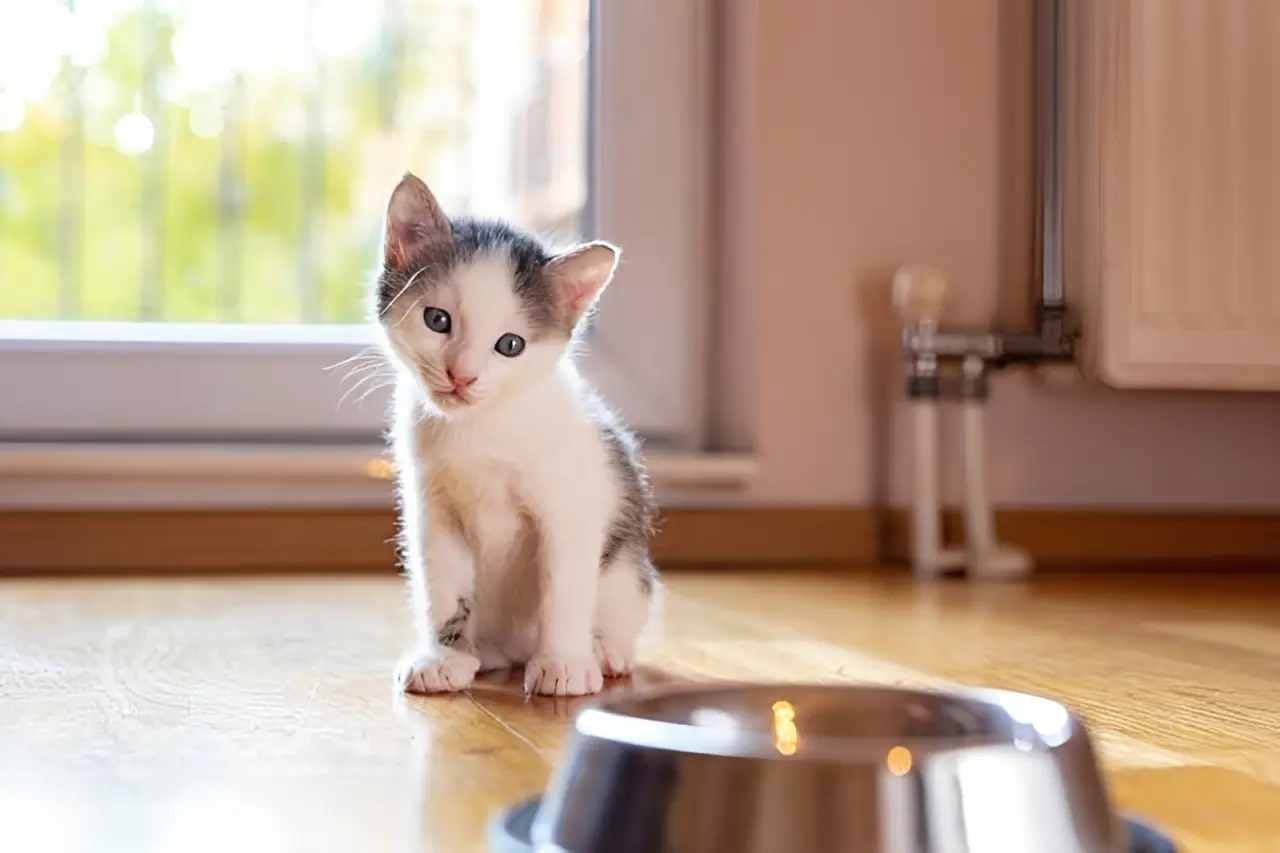
Get instant, evidence-based guidance if your kitten is refusing food. Veterinary AI helps you determine urgency, identify potential causes, and prepare for veterinary care.
Kittens have high metabolic demands and limited energy reserves. Refusal to eat for more than 12-24 hours can rapidly lead to hypoglycemia, dehydration, and hepatic lipidosis. Early intervention is critical.
While occasional pickiness is common, persistent anorexia in kittens is a medical emergency. Objective triage helps you distinguish between behavioral fussiness and life-threatening conditions requiring immediate veterinary intervention.
Kittens may refuse food for various reasons, listed from mild to life-threatening.
Stress or Environmental Change
New home, loud noises, or changes in routine can cause temporary appetite loss; usually resolves within 24-48 hours.
Teething Discomfort
Kittens aged 3-6 months may experience sore gums; softened food or chilled teething toys may help.
Dietary Pickiness or Food Change
Sudden food changes or unpalatable diets can cause refusal; gradual transitions prevent food aversion.
Gastrointestinal Upset
Mild vomiting or diarrhea from dietary indiscretion, parasites, or food intolerance; hydration may be compromised.
Respiratory Infection
Upper respiratory infections reduce sense of smell, leading to anorexia; often accompanied by sneezing and nasal discharge.
Systemic Illness or Fading Kitten Syndrome
Underlying infections (panleukopenia, sepsis), organ dysfunction, or metabolic disorders requiring immediate veterinary care.
✦ This list represents common causes of kitten anorexia but does not constitute a complete diagnosis. Kittens have high metabolic demands and limited energy reserves. Refusal to eat for more than 12-24 hours can rapidly lead to hypoglycemia, dehydration, and hepatic lipidosis. Persistent anorexia in kittens is a medical emergency requiring immediate veterinary evaluation. Veterinary AI provides real-time clinical triage tailored to kitten appetite loss, helping you distinguish between behavioral fussiness and life-threatening conditions requiring prompt veterinary attention with clarity and confidence.
Non-invasive, medically safe measures to support your kitten and monitor for appetite loss
Offer Warm, Aromatic Food
Gently warm wet food to enhance aroma; try offering a small amount of kitten-specific food or bland chicken baby food (no onion/garlic)
Check Hydration Status
Perform a skin tent test; if skin remains tented, dehydration is present. Offer water or unflavored electrolyte solution
Monitor for Hypoglycemia
Check gums; pale or tacky gums may indicate low blood sugar. Rub a small amount of corn syrup or honey on gums if weak
Observe for Vomiting or Diarrhea
Document frequency and consistency; dehydration can worsen rapidly; contact veterinarian if persistent
Keep Warm and Stress-Free
Provide a quiet, warm environment; reduce handling and noise to minimize stress and encourage eating
Do NOT Force-Feed
Never force food or water into a kitten's mouth; this can cause aspiration pneumonia and worsen the condition
⚠ These guidelines are temporary measures. Kittens have high metabolic demands and limited energy reserves. Refusal to eat for more than 12 hours is a medical emergency. Seek immediate veterinary evaluation if your kitten shows lethargy, weakness, pale gums, vomiting, diarrhea, or any signs of dehydration. Do not delay seeking care.
TESTIMONIALS
Timely, clinically-grounded support for every stage of your kitten's appetite assessment
When your kitten is not eating and you cannot determine whether it signals a temporary issue or a life-threatening emergency requiring immediate veterinary intervention.
If your kitten has not eaten for >12 hours and shows signs of lethargy, vomiting, diarrhea, weakness, or hiding — these may indicate serious underlying illness requiring urgent veterinary care.
When you need clinically grounded, exportable guidance to maximize the effectiveness of your upcoming veterinary visit; including a structured summary documenting duration of anorexia, symptoms, and observations.
💡 Always trust your instincts. If you are concerned about your kitten not eating, Veterinary AI provides immediate, evidence-based assessment; but never delays seeking emergency care when a kitten shows lethargy, weakness, pale gums, vomiting, or signs of dehydration. Kitten anorexia is a medical emergency. Kittens cannot fast safely. Seek immediate veterinary care.
Kitten anorexia is a life-threatening emergency. These warning signs require prompt veterinary attention, supported by Veterinary AI's core tools when your kitten is not eating.
A kitten not eating for >12 hours with lethargy or weakness is flagged as a critical emergency; this may indicate severe hypoglycemia, dehydration, or underlying systemic illness requiring immediate veterinary intervention.
Pale gums, weakness, or collapse signals severe hypoglycemia or systemic failure requiring immediate emergency evaluation and intensive care.
Persistent anorexia, vomiting, diarrhea, or signs of dehydration requires organized data for your emergency vet; our report consolidates duration of anorexia, symptoms, and clinical history for rapid evaluation.
Persistent vomiting or diarrhea alongside anorexia triggers an alert; this may indicate gastrointestinal infection, parasites, or systemic illness requiring immediate veterinary assessment.
Signs of dehydration (sunken eyes, skin tenting, dry gums) signals severe fluid loss requiring immediate veterinary evaluation and fluid therapy.
Not eating for >24 hours or progressive weight loss requires comprehensive data; our summary documents all observations to help your veterinarian expedite care and determine the underlying cause.
🚨 Any of these signs? Seek emergency care NOW.
Veterinary AI prepares a clinical summary for your emergency veterinarian while you prepare, but prompt emergency attention is essential for kittens not eating for >12 hours with lethargy, weakness, pale gums, vomiting, diarrhea, or signs of dehydration. Kitten anorexia is a life-threatening emergency. Kittens cannot fast safely. Offer warm glucose on gums while transporting to the nearest emergency animal hospital. Do not delay seeking care.
Flexible, cancel anytime
Best value for your pet
Just €7.58/month
Thanks for your interest in Veterinary AI. We'll notify you as soon as your AI consultation is ready. Check your email for confirmation.
More and more pet owners trust Veterinary AI for their pet's health. Get instant AI consultations, track medical records, set vaccine reminders, and access expert guidance — all from your phone. No waiting rooms, no appointments. Start now.
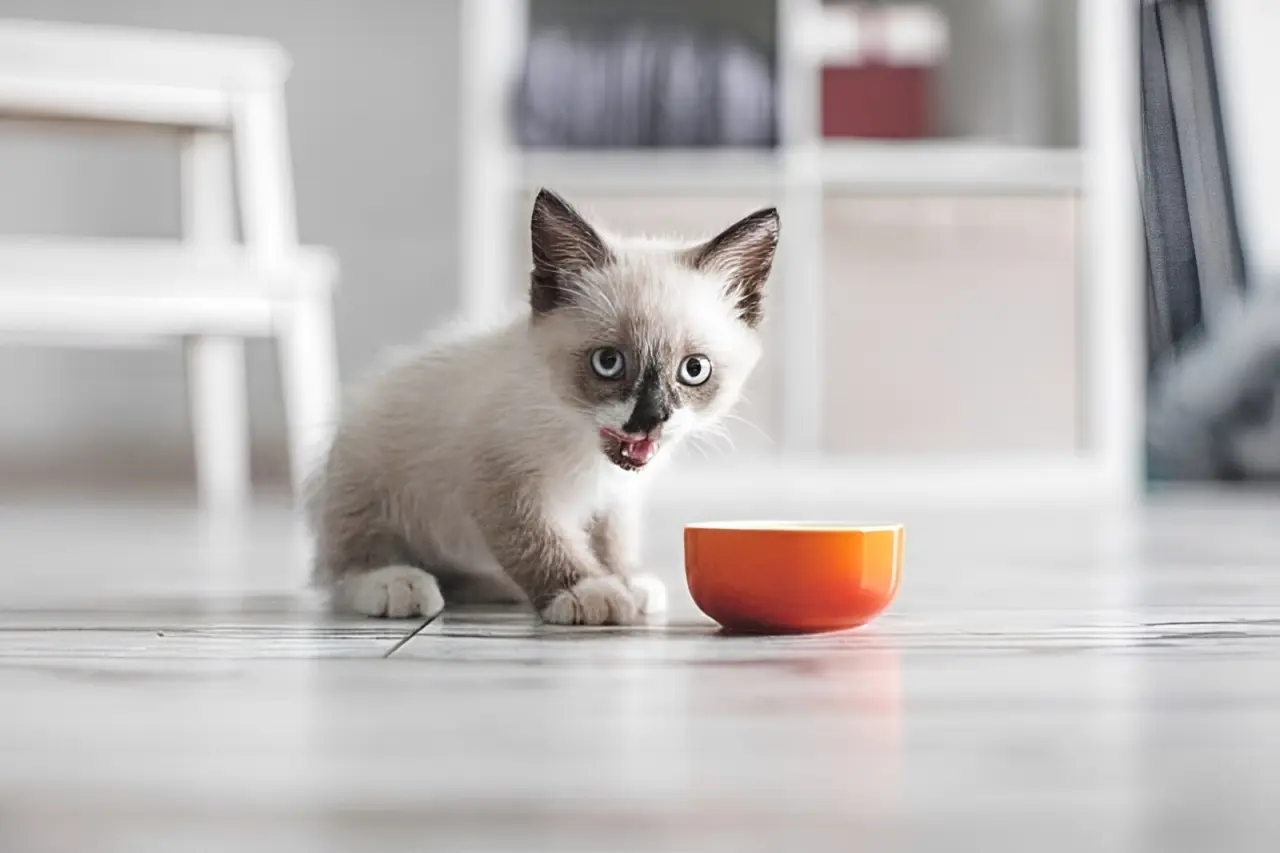
Everything you need to know about kitten not eating and how Veterinary AI can help. Can't find what you're looking for?
Start Kitten Anorexia AssessmentKittens should not go more than 12 hours without eating. Their limited energy reserves make them vulnerable to hypoglycemia and hepatic lipidosis within 24 hours.
Offer warmed wet food, check hydration, and monitor for lethargy. If not eating for >12 hours, seek veterinary care immediately.
Causes include stress, teething, food changes, gastrointestinal upset, respiratory infections, or serious systemic illness. Veterinary evaluation is essential.
No, do NOT force-feed. This can cause aspiration pneumonia. Offer palatable foods and seek veterinary guidance.
Any kitten not eating for 12-24 hours, especially with lethargy, vomiting, diarrhea, or weight loss, requires immediate veterinary attention.