Evaluate your rabbit’s immobility with AI-driven clinical guidance. Understand emergency causes, monitor symptoms, and prepare data for your exotics veterinarian without replacing their expert care.
Rabbits are prey animals that instinctively hide signs of illness. Immobility or reluctance to move is a critical clinical sign that often indicates severe pain, systemic illness, or neurological compromise. Causes range from musculoskeletal injury and GI stasis to spinal trauma, infection, or metabolic emergencies. Any rabbit that stops moving requires immediate veterinary evaluation.
While a rabbit resting quietly may be normal, true immobility ( where the rabbit refuses to move, is reluctant to bear weight, or cannot stand — is a medical emergency. Objective triage helps you assess the urgency, identify potential causes, and take appropriate action while preparing for veterinary evaluation. Never wait to see if a rabbit “feels better” ) immobility is a red flag requiring prompt attention.
Non-invasive, medically safe measures to support your rabbit and monitor for immobility
Monitor Movement and Mobility
Note any reluctance to bear weight, inability to move, or changes in gait; document any visible injuries or swelling
Check Appetite and Water Intake
Reduced or absent food and water intake indicates a medical emergency; monitor hay, pellet, and water consumption
Observe Fecal Output
Monitor quantity, size, and shape; small, absent, or misshapen pellets indicate GI stasis or digestive issues
Assess for Visible Injuries
Look for swelling, abnormal limb positioning, or wounds; do NOT attempt to manipulate or move injured limbs
Keep Warm and Stress-Free
Place your rabbit in a quiet, warm environment; reduce handling to minimize stress and prevent further injury
Do NOT Force-Feed or Give Medications
Never force-feed or administer any medications without veterinary guidance; this can cause aspiration or worsen the condition
⚠ These guidelines are supportive measures, not treatment protocols. Rabbits are prey animals that instinctively hide signs of illness. Immobility is a critical red flag indicating severe pain, systemic illness, or neurological compromise. If your rabbit is unable to move, shows signs of severe pain, has labored breathing, or becomes unresponsive, seek emergency veterinary care immediately. Do not delay seeking professional evaluation.
TESTIMONIALS
Timely, clinically-grounded support for every stage of your rabbit's immobility assessment
When your rabbit is not moving and you need to determine whether it is a mild issue or a life-threatening emergency requiring immediate veterinary intervention.
If your rabbit is unable to move, shows signs of severe pain (teeth grinding, hunched posture), has reduced appetite or fecal output, or appears injured — these may indicate serious underlying illness requiring urgent veterinary care.
When you need clinically grounded, exportable guidance to maximize the effectiveness of your upcoming exotics veterinary visit; including a structured summary documenting immobility duration, appetite changes, and observations.
💡 Always trust your instincts. If you are concerned about your rabbit not moving, Veterinary AI provides immediate, evidence-based assessment; but never delays seeking emergency care when a rabbit is unable to move, shows signs of severe pain, has labored breathing, or becomes unresponsive. Rabbit immobility is a life-threatening emergency. Seek immediate veterinary care.
Rabbit immobility is a life-threatening emergency. These warning signs require prompt veterinary attention, supported by Veterinary AI's core tools when your rabbit is not moving.
Complete immobility or inability to stand indicates severe neurological or musculoskeletal compromise; our AI flags this as a critical emergency requiring immediate intervention.
Labored breathing, pale gums, or collapse indicates systemic failure; the system instantly escalates urgency and recommends emergency evaluation.
Immobility with reduced appetite and fecal output requires organized data; our report consolidates symptom duration and observations for your emergency exotics veterinarian.
No fecal output with immobility signals advanced GI stasis or severe systemic illness; our AI immediately flags this as a life-threatening emergency.
Evidence of spinal injury (paralysis, dragging limbs, or inability to bear weight) requires immediate veterinary evaluation and supportive care.
Progressive immobility or worsening symptoms requires comprehensive data; our summary documents all observations to help your emergency exotics veterinarian expedite diagnosis and treatment.
🚨 Any of these signs? Seek emergency care NOW.
Veterinary AI prepares a clinical summary for your emergency exotics veterinarian while you prepare, but prompt emergency attention is essential for rabbits that are unable to move, show signs of severe pain (teeth grinding, hunched posture), have labored breathing, or become unresponsive. Rabbit immobility is a life-threatening emergency. Transport your rabbit to the nearest emergency exotics veterinarian or animal hospital immediately. Do not delay seeking care.
Flexible, cancel anytime
Best value for your pet
Just €7.58/month
Thanks for your interest in Veterinary AI. We'll notify you as soon as your AI consultation is ready. Check your email for confirmation.
More and more pet owners trust Veterinary AI for their pet's health. Get instant AI consultations, track medical records, set vaccine reminders, and access expert guidance — all from your phone. No waiting rooms, no appointments. Start now.
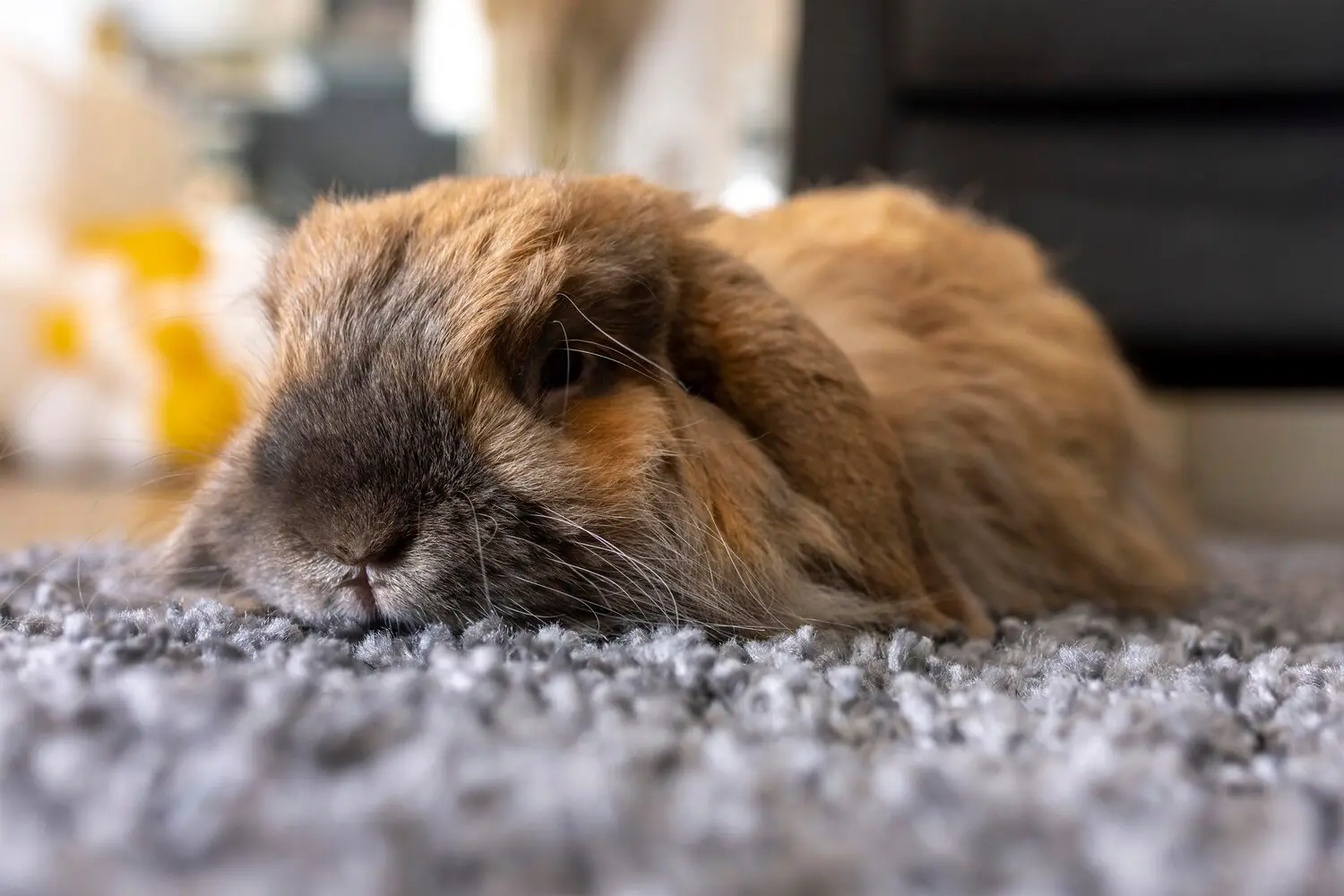
Everything you need to know about rabbit not moving and how Veterinary AI can help. Can't find what you're looking for?
Start Rabbit Immobility AssessmentImmobility in rabbits may indicate severe pain, spinal injury, GI stasis, neurological disease (E. cuniculi), or systemic illness. Immediate veterinary evaluation is essential.
Keep your rabbit warm and quiet; do not force movement. Seek emergency veterinary care immediately. Immobility is a medical emergency in rabbits.
Yes, severe abdominal pain from GI stasis can cause rabbits to sit hunched and refuse to move. This is a life-threatening emergency.
Yes, any rabbit that is unable or unwilling to move requires immediate veterinary evaluation. Immobility is a red flag for serious underlying illness.
Encephalitozoon cuniculi is a parasite that can cause neurological signs including head tilt, paralysis, and immobility in rabbits.