Dog Ate Grapes? Get Clinical Triage Support

AI-driven clinical triage helps you assess urgency and gather objective data. Veterinary AI supports, never replaces, your in-person veterinary consultation.

VETERINARY AI FOR PET OWNERS

Why Grape Ingestion Requires Clinical Attention

Grape ingestion in dogs can lead to acute kidney injury, though the exact toxic mechanism remains under investigation. Clinical presentation and outcomes vary significantly between individual animals, making objective triage essential.

While most cases require veterinary evaluation, panic can obscure clear decision-making. Structured, evidence-based triage helps you monitor key clinical indicators and communicate effectively with your veterinarian.

Veterinary AI

Assess your dog's situation with clinical precision

Clinical Considerations for Grape Ingestion

Clinical factors that influence risk assessment and monitoring protocols.

Dose-Dependent Risk

Higher quantities correlate with increased risk of acute kidney injury and systemic toxicity

Individual Sensitivity Variation

Some dogs show no effects; others develop severe toxicity unpredictably without warning

Product Form Differences

Fresh, dried (raisins), or processed grapes may present different toxicity profiles clinically

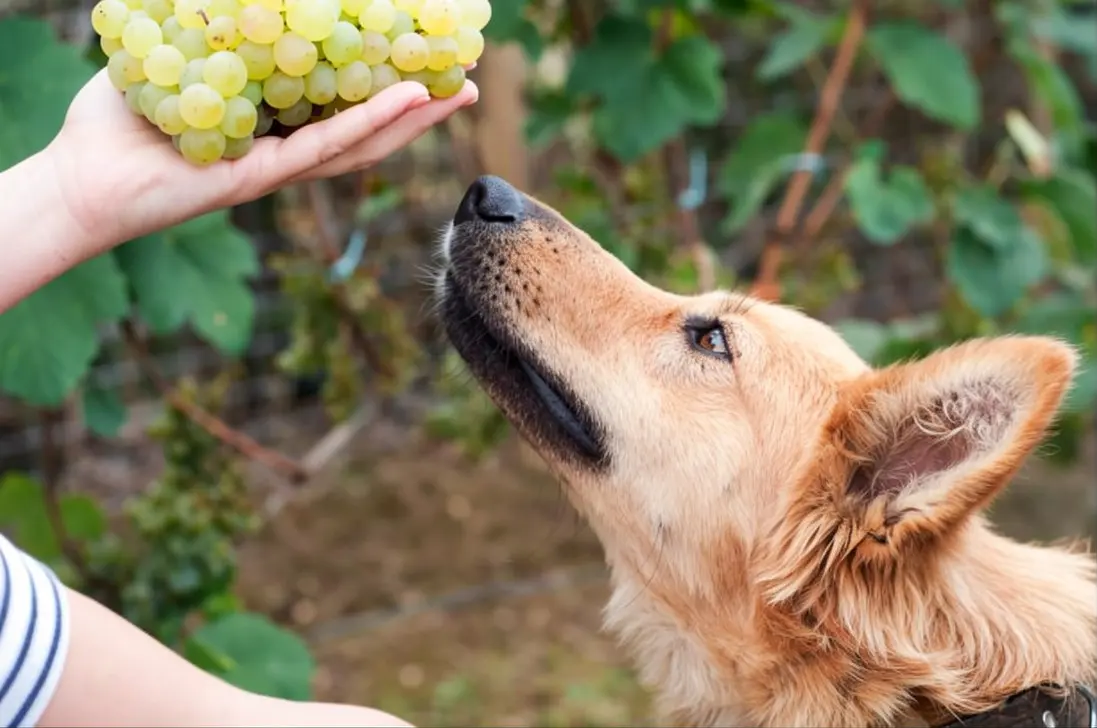
Dog requiring clinical assessment after grape ingestion

Pre-Existing Renal Conditions

Dogs with underlying kidney issues face elevated complication risks and require closer monitoring

Age-Related Vulnerability

Puppies and senior dogs often require more intensive monitoring protocols due to reduced reserve

Time to Intervention

Early clinical assessment and decontamination significantly influence outcomes and prognosis

If your dog has eaten grapes and you're uncertain about the severity, take informed action. Veterinary AI delivers real-time clinical triage tailored to your pet's specific presentation; helping you distinguish between low-risk exposures and signs requiring immediate veterinary evaluation with clarity and confidence.

+0
Symptoms analyzed
by pet owners worldwide
+0
Pet owners trusting
AI for their pet's health
0/7
Available anytime
even at 2AM emergencies

Safe Home Care & Monitoring Guidelines

Non-invasive, medically safe measures to support your dog while monitoring for clinical changes

Hydration Status Monitoring

Check gum moisture and skin elasticity; maintain fresh water access and monitor intake patterns

Urine Output Observation

Monitor frequency and volume; decreased output may indicate developing renal compromise

Symptom Documentation

Record vomiting, appetite changes, and behavior patterns for accurate veterinary communication

Rest and Environment

Limit exercise and provide calm, comfortable space to facilitate accurate monitoring

Nutrition and Feeding

Continue regular feeding unless vomiting occurs; avoid dietary changes that may complicate assessment

Medical History Preparation

Gather age, weight, medication history, and existing conditions for veterinary consultation

💡 Never induce vomiting or administer home remedies without veterinary guidance. Unsupervised interventions can cause aspiration pneumonia or delay appropriate medical treatment. Always consult your veterinarian or emergency clinic immediately following grape ingestion.

TESTIMONIALS

OPYNIO Reviews Dog Ate Grapes

When Can Veterinary AI Help You and Your Dog?

Timely, clinically-grounded support for every stage of your dog's grape ingestion assessment

Unsure About Severity?

When your dog ate grapes and you're uncertain about the urgency, Veterinary AI provides evidence-based guidance to help you distinguish between routine monitoring and situations requiring immediate veterinary attention.

Persistent or Escalating Signs?

If vomiting, lethargy, or appetite loss persists beyond 6-12 hours, or your dog shows abdominal pain, decreased urination, or any systemic signs, Veterinary AI helps you assess urgency and compile a detailed timeline for your veterinarian.

Pre-Visit Preparation?

When you need clinically-grounded guidance while preparing the exact history (ingestion time, quantity consumed, body weight, and emerging clinical signs) your veterinarian needs for informed evaluation and treatment decisions.

💡 Always trust your instincts. If you're concerned about your dog's grape ingestion or overall health, Veterinary AI provides immediate, evidence-based assessment; but never delays seeking emergency care when your dog shows vomiting, diarrhea, lethargy, decreased appetite, abdominal pain, reduced urination, or any signs of systemic illness.

When to Seek Immediate Emergency Care

These warning signs require urgent action, supported by Veterinary AI's core tools.

Emergency signs of grape toxicity requiring immediate veterinary care
⚠️ Instant Symptom Analysis & Risk Scoring

Acute vomiting or diarrhea within 6 hours of ingestion is flagged as a moderate-to-high toxicity event requiring immediate emergency evaluation.

🩸 Instant Symptom Analysis & Risk Scoring

Decreased urine output or blood in urine is identified as a critical red flag indicating potential acute kidney injury requiring urgent intervention.

🔄 24/7 Smart Triage & Urgency Assessment

Severe lethargy or depression lasting more than 4 hours triggers an elevated urgency assessment for systemic toxicity at any hour.

🫨 24/7 Smart Triage & Urgency Assessment

Abdominal pain, tenderness, or distension is assessed as a critical indicator of gastrointestinal or renal compromise requiring immediate evaluation.

📄 Exportable Clinical Summary Report

Any dog with pre-existing renal conditions or age-related vulnerability is compiled into a vet-ready report for rapid emergency handover and prioritized care.

📋 Exportable Clinical Summary Report

Any uncertainty about your dog's condition post-ingestion is documented and exported for rapid emergency handover and comprehensive veterinary evaluation.

Any of these signs? Do not wait.

Veterinary AI prepares a clinical summary for your veterinarian while you travel, but immediate emergency veterinary attention is essential for grape ingestion cases.

Start Symptom Assessment

Monthly

Flexible, cancel anytime

€9.99 /month
AI symptom assessment
Emergency guidance 24/7
Preventive care reminders
Wellness monitoring
Breed-specific health tips
Unlimited conversations
Start monthly plan
SAVE 24%

Annual

Best value for your pet

€90.99 /year

Just €7.58/month

AI symptom assessment
Emergency guidance 24/7
Preventive care reminders
Wellness monitoring
Breed-specific health tips
Priority support
Start annual plan
Veterinary AI provides clinical triage support and educational information; it does not constitute a diagnosis, treatment plan, or substitute for professional, in-person veterinary care.

By submitting you agree to our Privacy Policy

Veterinary AI

AI-Powered Pet Care 24/7

More and more pet owners trust Veterinary AI for their pet's health. Get instant AI consultations, track medical records, set vaccine reminders, and access expert guidance — all from your phone. No waiting rooms, no appointments. Start now.

FAQ

Frequently Asked
Questions

Everything you need to know about grape ingestion in dogs and how Veterinary AI can help. Can't find what you're looking for?

Start Symptom Assessment

How many grapes are toxic to dogs?

No established safe threshold exists; individual sensitivity varies significantly. Any quantity of grapes or raisins warrants immediate veterinary consultation.

What are the signs of grape poisoning in dogs?

Key signs include vomiting, diarrhea, lethargy, reduced appetite, abdominal pain, and decreased urination typically appearing within 24-72 hours post-ingestion.

Can a dog survive eating grapes?

Yes, with prompt veterinary care. Early intervention significantly improves outcomes. Contact your veterinarian or emergency clinic immediately following ingestion.

How soon after eating grapes will a dog show symptoms?

Symptoms typically appear within 6-24 hours but may be delayed up to 72 hours in some cases. Early asymptomatic presentation does not indicate safety.

Is a single grape dangerous for a large dog?

While risk increases with dose, no safe quantity exists. Individual sensitivity is unpredictable; all ingestions require professional veterinary evaluation.