AI-driven clinical triage helps you assess urgency and gather objective data. Veterinary AI supports, never replaces, your in-person veterinary consultation.
Onion ingestion in dogs can cause oxidative damage to red blood cells, leading to hemolytic anemia. Clinical presentation and severity vary significantly between individual animals, making objective triage essential.
While many cases require veterinary evaluation, panic can obscure clear decision-making. Structured, evidence-based triage helps you monitor key clinical indicators and communicate effectively with your veterinarian.
Factors influencing risk assessment and clinical monitoring protocols.
Dose-Dependent Risk
Higher quantities correlate with increased risk of hemolytic anemia and oxidative damage to red blood cells
Individual Sensitivity Variation
Some dogs show no effects; others develop severe hemolytic crisis unpredictably without warning
Product Form Differences
Fresh, cooked, powdered, or dehydrated onion may present different toxicity profiles clinically
Pre-Existing Anemia Risk
Dogs with underlying blood disorders face elevated complication risks and require closer monitoring
Age-Related Vulnerability
Puppies and senior dogs often require more intensive monitoring protocols due to reduced physiological reserve
Time to Intervention
Early clinical assessment and decontamination significantly influence outcomes and prognosis
✦ If your dog has eaten onion and you're uncertain about the severity, take informed action. Veterinary AI delivers real-time clinical triage tailored to your pet's specific presentation; helping you distinguish between low-risk exposures and signs requiring immediate veterinary evaluation with clarity and confidence.
Non-invasive, medically safe measures to support your dog while monitoring for clinical changes
Hydration Status Monitoring
Check gum moisture and skin elasticity; maintain fresh water access and monitor intake patterns
Gum Color Observation
Monitor for pale, white, or yellow-tinged mucous membranes indicating potential anemia or jaundice
Urine Color Monitoring
Observe for dark or reddish-brown urine which may indicate hemoglobin release from red blood cell destruction
Symptom Documentation
Record vomiting, appetite changes, weakness, and behavior patterns for accurate veterinary communication
Rest and Environment
Limit exercise and provide calm, comfortable space to facilitate accurate monitoring and recovery
Medical History Preparation
Gather age, weight, medication history, and existing conditions for veterinary consultation
💡 Never induce vomiting or administer home remedies without veterinary guidance. Unsupervised interventions can cause aspiration pneumonia or delay appropriate medical treatment. Always consult your veterinarian or emergency clinic immediately following onion ingestion.
TESTIMONIALS
Timely, clinically-grounded support for every stage of your dog's onion ingestion assessment
When your dog ate onion and you're uncertain about the urgency, Veterinary AI provides evidence-based guidance to help you distinguish between routine monitoring and situations requiring immediate veterinary attention.
If vomiting, weakness, or pale gums persist beyond 12-24 hours, or your dog shows dark urine, rapid breathing, or any systemic signs, Veterinary AI helps you assess urgency and compile a detailed timeline for your veterinarian.
When you need clinically-grounded guidance while preparing the exact history (ingestion time, quantity consumed, body weight, and emerging clinical signs) your veterinarian needs for informed evaluation and treatment decisions.
💡 Always trust your instincts. If you're concerned about your dog's onion ingestion or overall health, Veterinary AI provides immediate, evidence-based assessment; but never delays seeking emergency care when your dog shows vomiting, diarrhea, weakness, pale or yellow-tinged gums, dark urine, rapid breathing, or any signs of systemic illness.
These warning signs require urgent action, supported by Veterinary AI's core tools.
Pale or white gums within 12-24 hours of ingestion is flagged as a critical indicator of hemolytic anemia requiring immediate emergency evaluation.
Dark or reddish-brown urine is identified as a critical red flag indicating hemoglobin release from red blood cell destruction requiring urgent intervention.
Severe weakness or lethargy lasting more than 4 hours triggers an elevated urgency assessment for systemic toxicity at any hour.
Rapid breathing or difficulty breathing is assessed as a critical indicator of oxygen-carrying capacity compromise requiring immediate evaluation.
Any dog with pre-existing anemia risk or age-related vulnerability is compiled into a vet-ready report for rapid emergency handover and prioritized care.
Any uncertainty about your dog's condition post-ingestion is documented and exported for rapid emergency handover and comprehensive veterinary evaluation.
Any of these signs? Do not wait.
Veterinary AI prepares a clinical summary for your veterinarian while you travel, but immediate emergency veterinary attention is essential for onion ingestion cases.
Flexible, cancel anytime
Best value for your pet
Just €7.58/month
Thanks for your interest in Veterinary AI. We'll notify you as soon as your AI consultation is ready. Check your email for confirmation.
More and more pet owners trust Veterinary AI for their pet's health. Get instant AI consultations, track medical records, set vaccine reminders, and access expert guidance — all from your phone. No waiting rooms, no appointments. Start now.
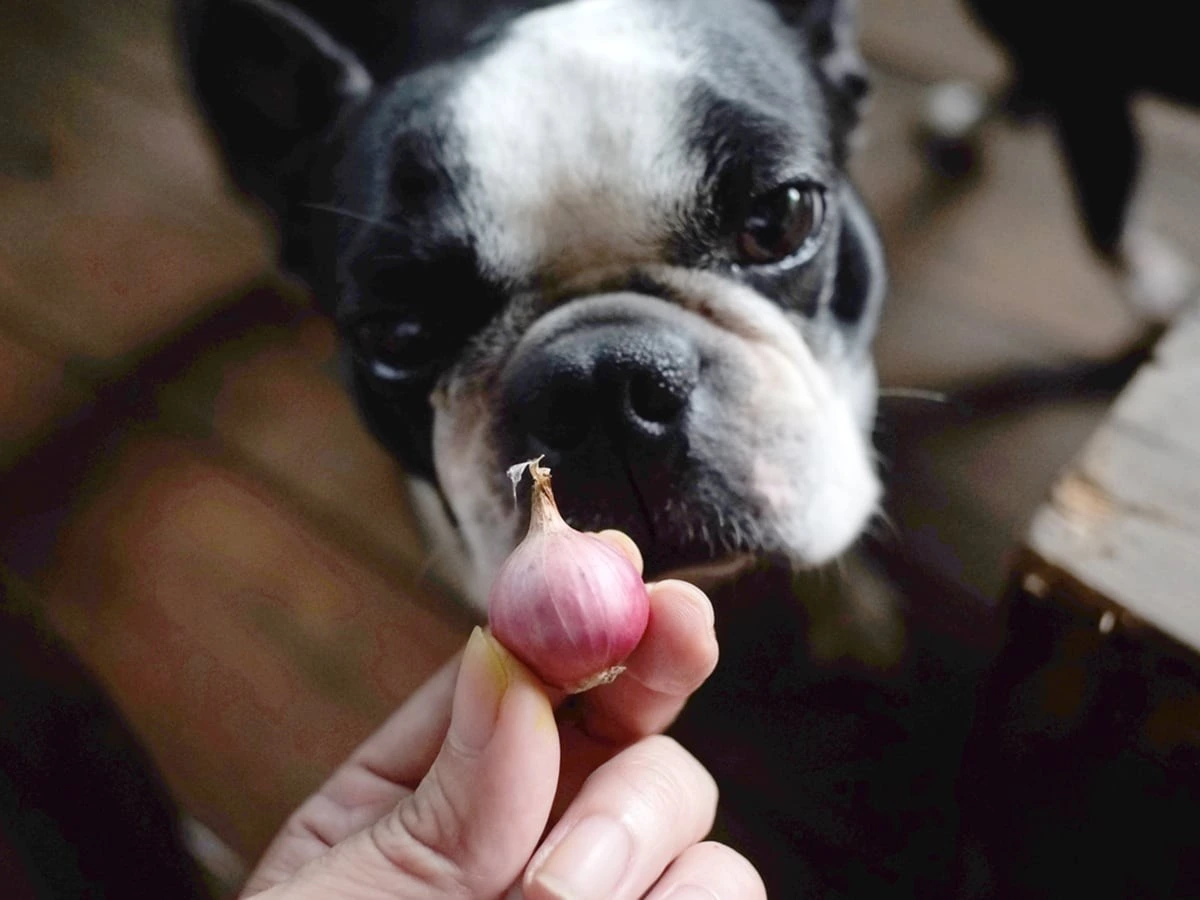
Everything you need to know about onion ingestion in dogs and how Veterinary AI can help. Can't find what you're looking for?
Start Symptom AssessmentToxic dose is approximately 5g per kg of body weight. All onion forms (fresh, cooked, powdered, dehydrated) are potentially toxic to dogs.
Key signs include vomiting, diarrhea, weakness, pale gums, dark urine, rapid breathing, and lethargy typically appearing within 24-72 hours.
Yes, with prompt veterinary care. Early intervention significantly improves outcomes. Contact your veterinarian or emergency clinic immediately following ingestion.
Symptoms typically appear within 24-72 hours but may be delayed up to 5 days in some cases. Early asymptomatic presentation does not indicate safety.
While risk increases with dose, no safe quantity exists for any dog. Individual sensitivity is unpredictable; all ingestions require professional evaluation.