Cat Kidney Disease Symptoms: Clinical Triage Support

Veterinary AI helps you assess your cat’s pale gums using evidence-based clinical algorithms. Get objective guidance to determine urgency while supporting, not replacing, your in-person veterinarian.

VETERINARY AI FOR PET OWNERS

When Your Cat's Kidneys Signal Decline

Feline kidney disease often progresses insidiously, with symptoms emerging as renal function declines below 75%. Clinical manifestations (polydipsia, polyuria, weight loss, or vomiting) typically indicate compromised filtration, electrolyte imbalance, and accumulating uremic toxins; early recognition directly influences disease management and quality of life.

While these symptoms warrant serious attention, panic serves no clinical purpose. Objective, systematic triage empowers you to distinguish between manageable progression and acute decompensation. Veterinary AI provides structured guidance that supports, not replaces, your veterinarian’s diagnostic expertise.

Veterinary AI

Assess your cat's kidney disease symptoms with clinical precision

Common Causes of Cat Kidney Disease Symptoms

Feline renal symptoms originate from multiple clinical pathways, listed from mild to severe.

Mild Dehydration or Heat Stress

Temporary fluid deficit can mimic early renal signs; resolves with adequate hydration and environmental management.

Age-Related Physiological Decline

Normal aging reduces renal reserve by 30-50% without indicating primary renal disease requiring intervention.

Early Chronic Kidney Disease (CKD)

Progressive nephron loss impairs filtration; the most common feline renal condition in senior cats.

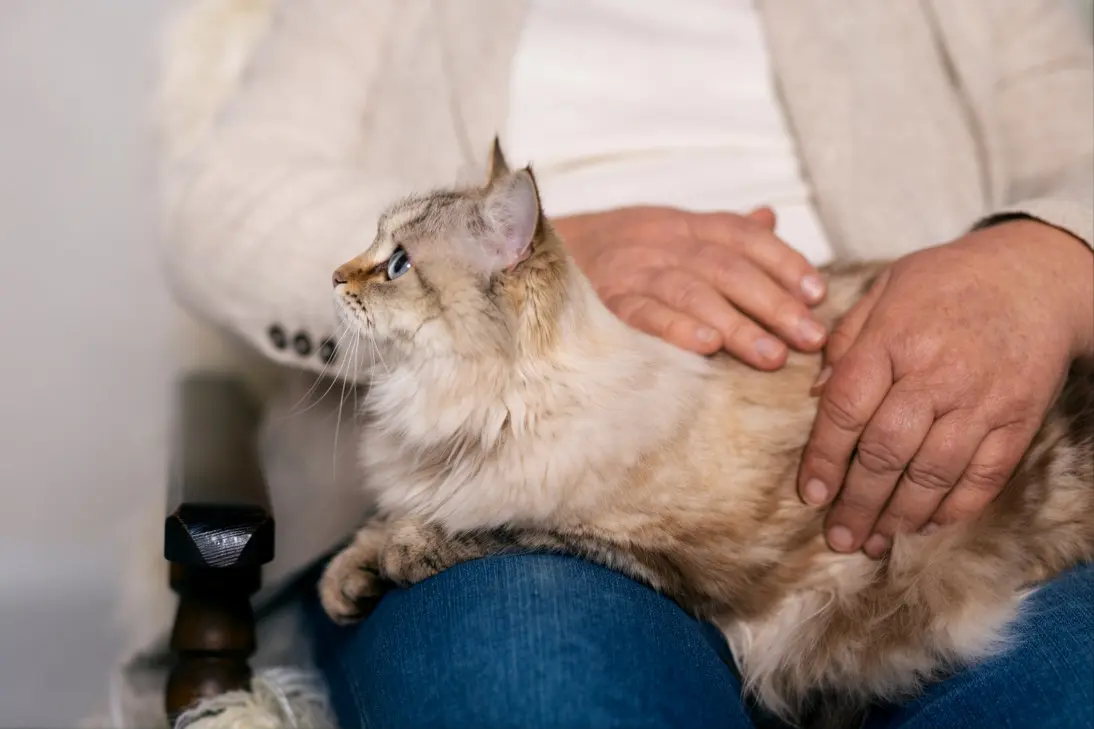
Cat showing signs of kidney disease including increased thirst and weight loss requiring clinical assessment

Hyperthyroidism-Induced Renal Stress

Excess thyroid hormone increases renal blood flow, potentially masking or exacerbating underlying renal disease.

Systemic Hypertension

Elevated blood pressure damages renal vasculature, accelerating disease progression and worsening renal function over time.

Acute Kidney Injury (AKI)

Sudden nephrotoxic or ischemic damage requires immediate intensive management and emergency intervention.

This list represents common differentials but does not constitute a complete diagnosis. Persistent renal symptoms (polydipsia, polyuria, weight loss, vomiting) warrant veterinary evaluation to rule out structural, functional, and systemic pathology. Veterinary AI provides real-time clinical triage tailored to feline-specific renal risks, helping you distinguish between manageable concerns and conditions requiring prompt veterinary attention with clarity and confidence.

+0
Symptoms analyzed
by pet owners worldwide
+0
Pet owners trusting
AI for their pet's health
0/7
Available anytime
even at 2AM emergencies

Safe Home Care & Monitoring Guidelines

Non-invasive, medically safe measures to support your cat and monitor for renal changes

Daily Water Intake Monitoring

Measure and record daily water consumption (normal: 50-70 ml/kg/day); document any significant increases or decreases

Urine Output and Litter Box Tracking

Monitor frequency and volume of urination; note any accidents outside the box or sudden decrease in output

Weekly Weight Monitoring

Weigh your cat weekly using a baby scale if available; weight loss exceeding 2% per week warrants prompt veterinary attention

Appetite and Food Intake Tracking

Monitor daily food consumption; note any decrease, refusal to eat, or changes in eating patterns

Vomiting and GI Monitoring

Document frequency and character of any vomiting (clear liquid, food, bile); note any changes in stool consistency or color

Clinical Summary Preparation

Document water intake, urine output, weight, appetite, vomiting episodes, energy level, and timeline of changes

These guidelines are supportive measures only. They do not treat renal conditions or replace professional veterinary assessment. Any cat showing complete anorexia (24+ hours), oral ulcers, severe lethargy, seizures, or sudden decrease in urine output requires immediate emergency care.

TESTIMONIALS

OPYNIO Reviews Cat Kidney Disease Symptoms

When Can Veterinary AI Help You and Your Cat?

Timely, clinically-grounded support for every stage of your cat's renal assessment

Unsure About Severity?

When your cat shows kidney disease symptoms (increased thirst, increased urination, weight loss, or vomiting) and you cannot determine whether it signals early CKD, hyperthyroidism, or a serious condition like acute kidney injury requiring immediate veterinary attention.

Persistent or Escalating?

If your cat's increased drinking, increased urination, weight loss, or vomiting persists or worsens over time, or if your cat develops lethargy, oral ulcers, or weakness; these may indicate progressive renal disease requiring urgent evaluation.

Pre-Visit Preparation?

When you need clinically grounded, exportable guidance to maximize the effectiveness of your upcoming veterinary consultation; including a structured clinical summary documenting water intake, urine output, weight changes, appetite, vomiting episodes, and a timeline of observed symptoms.

💡 Always trust your instincts. If you are concerned about your cat's kidney health, Veterinary AI provides immediate, evidence-based assessment; but never delays seeking emergency care when your cat shows complete anorexia (24+ hours), oral ulcers, severe lethargy, seizures, or a sudden decrease in urine output.

When to Seek Immediate Emergency Care

These warning signs require urgent action, supported by Veterinary AI's core tools when your cat shows kidney disease symptoms and related signs.

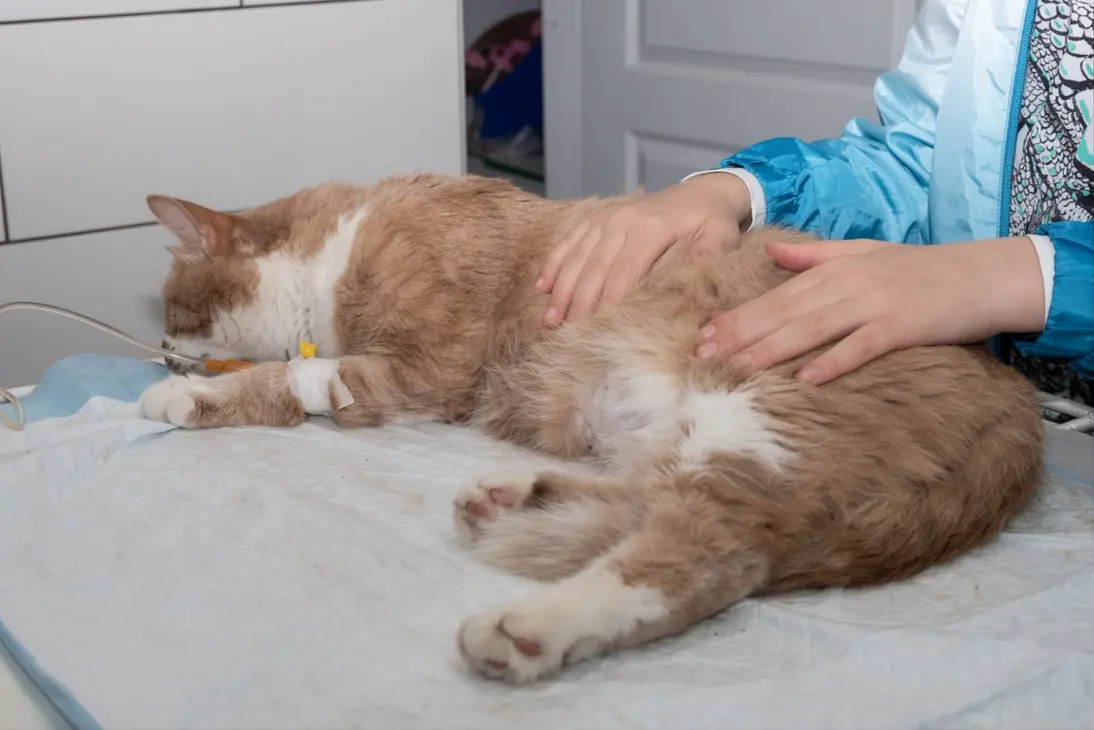
Emergency signs of severe kidney disease and renal failure in cats requiring immediate veterinary care
Instant Symptom Analysis & Risk Scoring

Complete anorexia (not eating for 24+ hours) with vomiting is flagged as a critical emergency; this may indicate severe uremia, acute kidney injury, or systemic metabolic derangement requiring immediate intervention.

🚨 Instant Symptom Analysis & Risk Scoring

Oral ulcers or ammonia-like breath odor triggers a critical alert; this indicates severe uremic syndrome requiring immediate evaluation and intensive management.

🔄 24/7 Smart Triage & Urgency Assessment

Severe lethargy, weakness, or inability to stand signals critical decompensation; this may indicate severe metabolic acidosis, hyperkalemia, or uremic encephalopathy requiring immediate life-saving care.

🩸 24/7 Smart Triage & Urgency Assessment

Seizures, tremors, or disorientation indicates severe metabolic derangement (uremic encephalopathy, electrolyte imbalance) requiring urgent neurological and metabolic evaluation.

📄 Exportable Clinical Summary Report

Sudden decrease in urine output (oliguria) or complete cessation of urination (anuria) requires organized data for your vet; our report consolidates hydration status, urine output patterns, and timeline for rapid diagnostic evaluation.

📋 Exportable Clinical Summary Report

Collapse or profound dehydration with sunken eyes requires comprehensive data; our summary documents water intake, urine output, weight changes, and clinical history to help your emergency veterinarian expedite triage.

Any of these signs? Do not wait.

Veterinary AI prepares a clinical summary for your veterinarian while you travel, but immediate emergency veterinary attention is essential for complete anorexia (24+ hours), oral ulcers, severe lethargy, seizures, collapse, or sudden decrease in urine output in cats.

Start Kidney Symptom Assessment

Emergency signs require immediate veterinary intervention. Use Veterinary AI to document and prepare, but never delay seeking emergency care. Veterinary AI provides triage guidance and educational information only; it does not diagnose, treat, or replace in-person veterinary care.

Monthly

Flexible, cancel anytime

€9.99 /month
AI symptom assessment
Emergency guidance 24/7
Preventive care reminders
Wellness monitoring
Breed-specific health tips
Unlimited conversations
Start monthly plan
SAVE 24%

Annual

Best value for your pet

€90.99 /year

Just €7.58/month

AI symptom assessment
Emergency guidance 24/7
Preventive care reminders
Wellness monitoring
Breed-specific health tips
Priority support
Start annual plan
Veterinary AI provides clinical triage support and educational information; it does not constitute a diagnosis, treatment plan, or substitute for professional, in-person veterinary care.

By submitting you agree to our Privacy Policy

Veterinary AI

AI-Powered Pet Care 24/7

More and more pet owners trust Veterinary AI for their pet's health. Get instant AI consultations, track medical records, set vaccine reminders, and access expert guidance — all from your phone. No waiting rooms, no appointments. Start now.
FAQ

Frequently Asked
Questions

Everything you need to know about cat kidney disease symptoms and how Veterinary AI can help. Can't find what you're looking for?

Start Kidney Symptom Assessment

What are the early signs of kidney disease in cats?

Early signs include increased thirst and urination, subtle weight loss, reduced appetite, and occasional vomiting. Many cats show no obvious signs until significant kidney function is lost.

How do I know if my cat is drinking too much water?

Normal water intake is approximately 50-70 ml/kg/day. Excessive drinking (polydipsia) often leads to increased urination (polyuria); measure daily water intake to detect changes.

Can cats with kidney disease recover?

Chronic kidney disease is progressive and manageable but not curable. Acute kidney injury may be reversible with prompt treatment. Early intervention significantly improves quality and duration of life.

What should I feed a cat with kidney disease?

Prescription renal diets with restricted phosphorus and moderate protein are recommended. Always consult your veterinarian before making dietary changes.

Is kidney disease in cats painful?

Kidney disease itself is not typically painful, but associated conditions (urinary tract infections, kidney stones, or uremic gastritis) can cause discomfort. Signs include lethargy, hiding, or reluctance to move.