Cat Lump On Belly? Get Clinical Clarity Now

Understand the severity of your cat’s abdominal lump through AI-powered triage guidance, designed to support your decision-making before and during your veterinary visit.

VETERINARY AI FOR PET OWNERS

Understanding Your Cat's Abdominal Lump: A Clinical Perspective

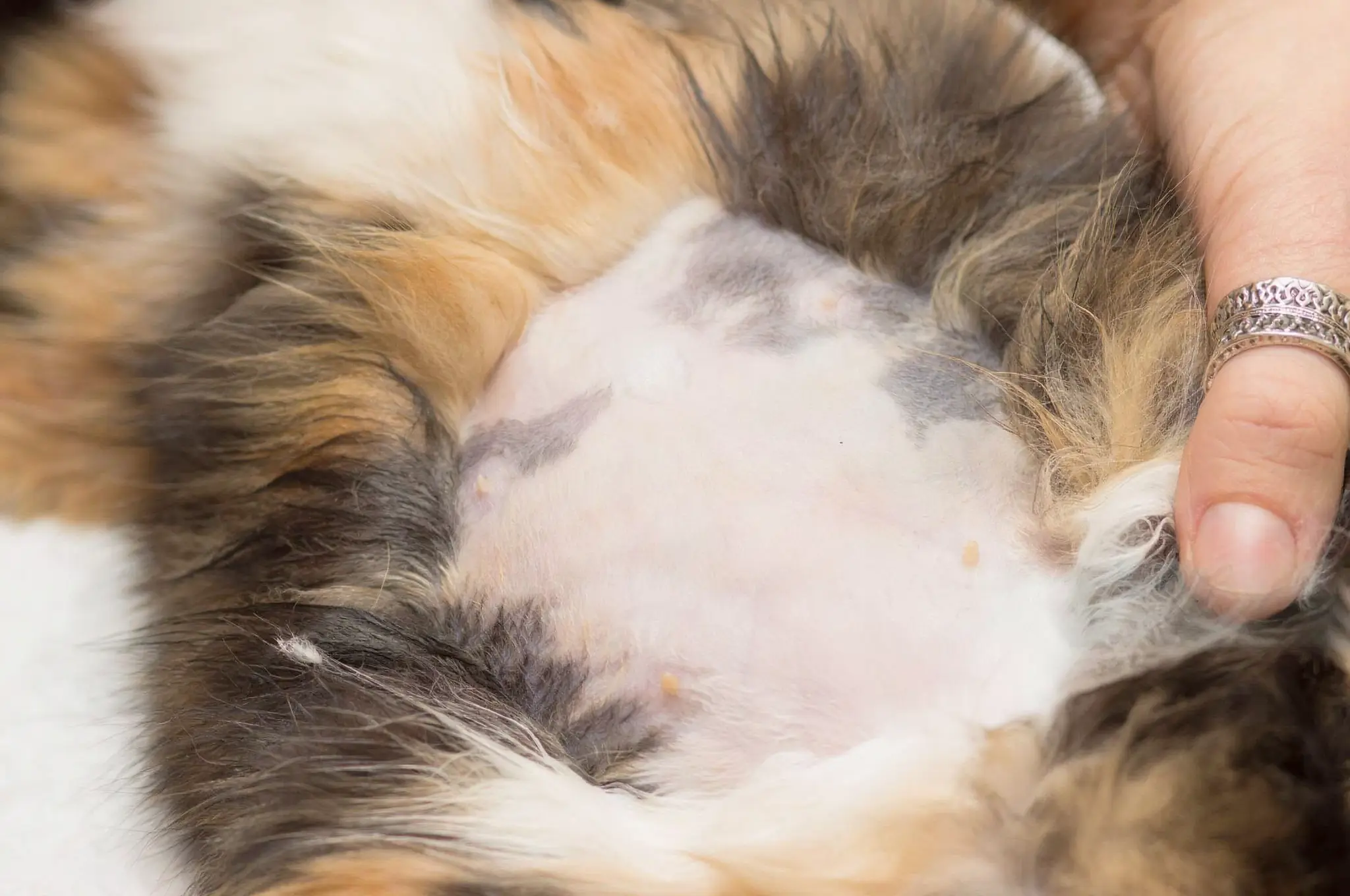
A palpable lump on your cat’s belly can stem from various origins: benign lipomas, mammary tumors, abscesses, hernias, or even enlarged internal organs. While many lumps are harmless, each requires professional evaluation to rule out malignancy or progressive conditions.

Your concern is valid, and early intervention remains the cornerstone of favorable outcomes. Do not panic; most abdominal masses in cats are manageable with proper care. However, objective triage and consistent monitoring are critical to distinguish between watchful waiting and urgent veterinary attention.

Veterinary AI

Assess your cat's belly lump with clinical precision

Common Causes of Cat Lump On Belly

Abdominal lumps in cats originate from various conditions, ranging from benign to serious.

Lipoma (Benign Fatty Tumor)

Soft, moveable, slow-growing mass under the skin; generally harmless.

Abscess or Cyst

Firm, painful swelling from infection or blocked glands; may drain pus.

Mammary Gland Tumor

Firm nodule along the mammary chain; can be benign or malignant.

Inguinal or Umbilical Hernia

Soft protrusion through the abdominal wall; may contain fat or organs.

Injection Site Reaction

Firm nodule from recent vaccinations or medication; usually resolves over weeks.

Lymphoma or Mast Cell Tumor

Rapidly growing, firm mass; may ulcerate or cause systemic symptoms.


This list is for educational purposes only. Only a veterinarian can provide an accurate diagnosis through physical examination and diagnostic testing.

+0
Symptoms analyzed
by pet owners worldwide
+0
Pet owners trusting
AI for their pet's health
0/7
Available anytime
even at 2AM emergencies

Safe Home Care & Monitoring Guidelines

Follow these non-invasive steps to monitor your cat safely while awaiting veterinary guidance.

Weekly Measurement

Use a flexible tape measure or ruler to record the lump's diameter in centimeters; note any changes

Dated Photography

Take clear photos weekly with a coin for scale to document size and color changes objectively

Gentle Palpation

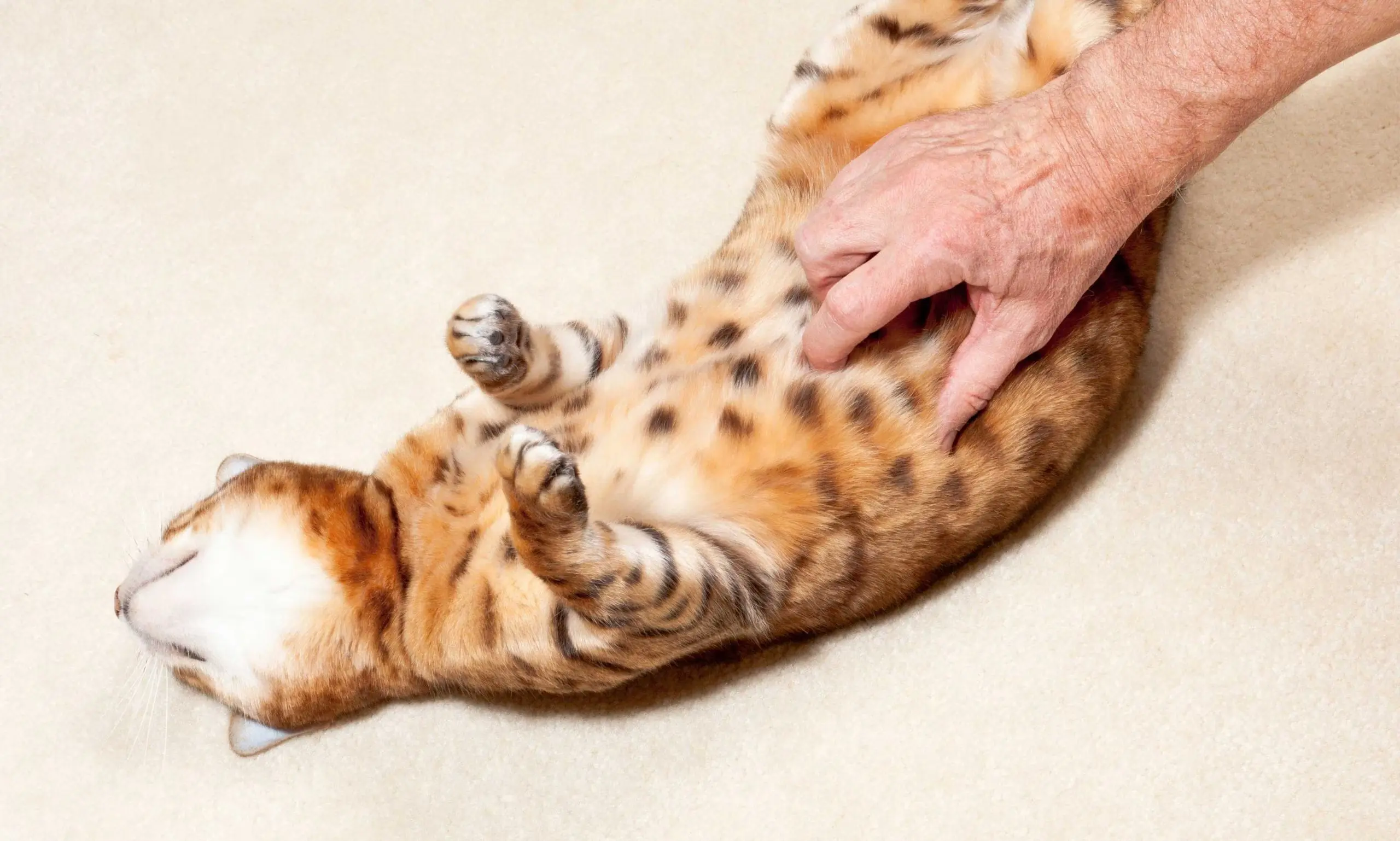
Lightly feel the lump weekly for changes in texture (soft, firm, hard) or mobility

Cat with belly lump: home care guidelines and clinical monitoring

Monitor Licking/Biting

Watch for excessive grooming; use an Elizabethan collar if persistent to prevent skin trauma

Track Appetite & Weight

Record daily food intake and weekly weight; sudden decreases require veterinary attention

Observe Behavior

Note lethargy, hiding, vomiting, diarrhea, or changes in litter box usage

Home care does not replace veterinary diagnosis. Contact your veterinarian if the lump grows rapidly, becomes painful, or your cat shows systemic signs. Veterinary AI provides real-time guidance to help you monitor and document your cat's condition effectively.

TESTIMONIALS

OPYNIO Reviews Cat Lump On Belly

When Can Veterinary AI Help You and Your Cat?

Timely, clinically-grounded support for every stage of your cat's belly lump assessment

Unsure About Severity?

When your cat has a belly lump and you cannot determine whether it is a benign growth or a condition requiring urgent veterinary attention.

Persistent or Escalating?

If the lump persists beyond 2 weeks, grows rapidly, or your cat shows lethargy, appetite loss, or vomiting; these may indicate neoplasia or systemic infection.

Pre-Visit Preparation?

When you need clinically-grounded guidance to prepare questions and documentation (lump size, growth pattern, associated signs) for your veterinary consultation.

💡 Always trust your instincts. If you're concerned about your cat's belly lump, Veterinary AI provides immediate, evidence-based assessment; but never delays seeking emergency care when your cat shows rapid growth, ulceration, abdominal distension, or systemic signs like fever, vomiting, or lethargy.

Cat with belly lump showing signs of emergency condition needing immediate veterinary care

When to Seek Immediate Emergency Care

Red flags that require urgent veterinary attention; and how Veterinary AI supports each critical decision when your cat shows a concerning belly lump.

Rapidly Enlarging Lump

Instant Symptom Analysis & Risk Scoring flags aggressive pathology; immediate evaluation required

Ulcerated or Bleeding Lump

Risk Scoring prioritizes open lesions as potential malignancy; prompts immediate biopsy referral

Lethargy, Vomiting, or Fever

24/7 Smart Triage detects systemic distress; urgency level escalates to emergency immediately

Abdominal Distension

Urgency Assessment detects possible internal mass or organ involvement; prompts immediate ER contact

Painful or Tender Lump

Exportable Report documents location, consistency, and pain response for immediate ER review

Inability to Urinate or Defecate

Exportable Report documents obstruction risk for your emergency veterinarian; go immediately

🚨 These signs require immediate in-person emergency veterinary care. Veterinary AI is not a substitute for emergency medical attention. If your cat shows any of these red flags alongside a belly lump, do not delay; seek emergency care immediately.

Monthly

Flexible, cancel anytime

€9.99 /month
AI symptom assessment
Emergency guidance 24/7
Preventive care reminders
Wellness monitoring
Breed-specific health tips
Unlimited conversations
Start monthly plan
SAVE 24%

Annual

Best value for your pet

€90.99 /year

Just €7.58/month

AI symptom assessment
Emergency guidance 24/7
Preventive care reminders
Wellness monitoring
Breed-specific health tips
Priority support
Start annual plan
Veterinary AI provides clinical triage support and educational information; it does not constitute a diagnosis, treatment plan, or substitute for professional, in-person veterinary care.

By submitting you agree to our Privacy Policy

Veterinary AI

AI-Powered Pet Care 24/7

More and more pet owners trust Veterinary AI for their pet's health. Get instant AI consultations, track medical records, set vaccine reminders, and access expert guidance — all from your phone. No waiting rooms, no appointments. Start now.
FAQ

Frequently Asked
Questions

Everything you need to know about belly lumps in cats, and how Veterinary AI can help. Can't find what you're looking for?

Start Symptom Assessment

Is every lump on a cat's belly cancerous?

No. Many abdominal lumps are benign, such as lipomas or cysts. However, only veterinary examination and biopsy can confirm the diagnosis.

How fast can a cancerous lump grow on a cat?

Malignant masses can double in size within weeks to months. Rapid growth (days to weeks) requires prompt veterinary evaluation.

Should I try to squeeze or drain my cat's belly lump at home?

No. Never attempt to drain, squeeze, or treat a lump at home; this can cause infection, spread, or delay proper diagnosis.

Can a hernia cause a lump on a cat's belly?

Yes. Inguinal or umbilical hernias appear as soft, reducible lumps. Surgical correction is often recommended to prevent complications.

What tests will my vet perform for a belly lump?

Common diagnostics include fine-needle aspiration, biopsy, ultrasound, and bloodwork to determine the nature and potential spread.