Evaluate your kitten’s lethargy with AI-driven clinical guidance. Understand normal sleep vs. concerning lethargy, monitor safely at home, and prepare data for your veterinarian without replacing their expert care.
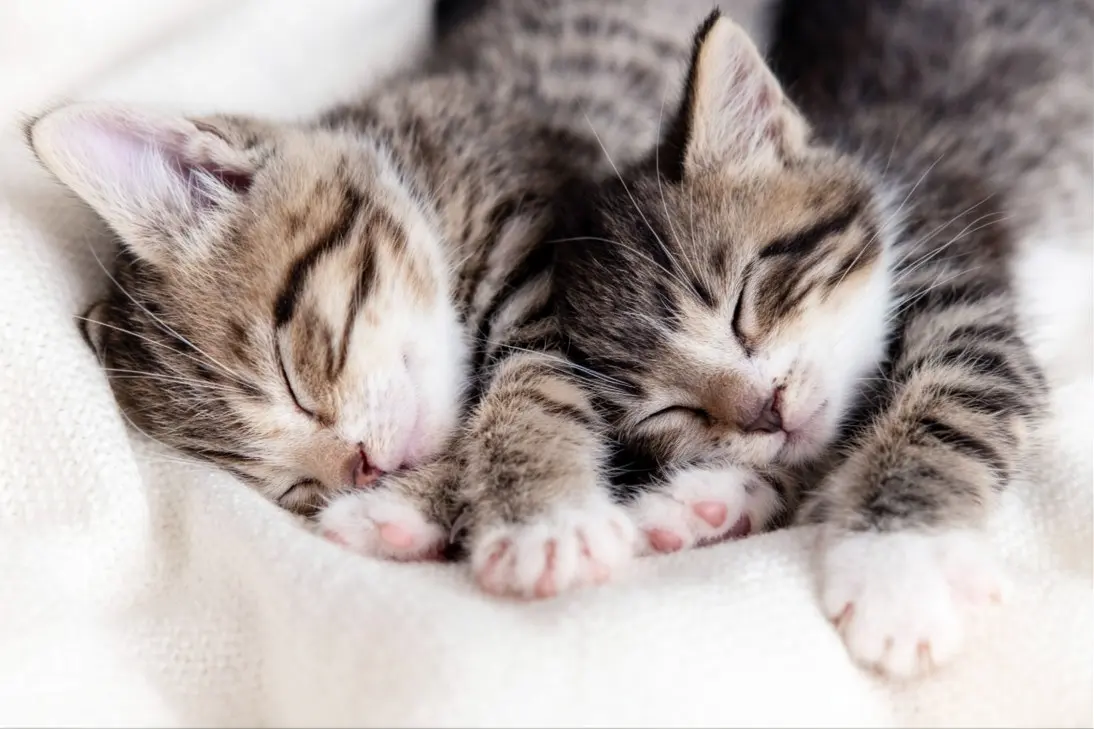
Kittens typically sleep 16-20 hours daily as part of normal growth and development. However, excessive sleep that interferes with eating, playing, or grooming may indicate lethargy; a clinical sign of underlying illness including infections, anemia, pain, or metabolic disorders.
While kittens naturally sleep frequently, distinguishing normal rest from pathological lethargy is critical. Objective triage helps you evaluate activity levels, appetite, and responsiveness; reducing anxiety while ensuring timely veterinary intervention when warranted.
Kittens may sleep excessively for various reasons, listed from mild to life-threatening.
Normal Growth and Development
Kittens naturally sleep 16-20 hours daily; rest is essential for physical and neurological development.
Stress or Environmental Change
New homes, visitors, or routine changes can cause temporary withdrawal and increased sleep; usually resolves within 48 hours.
Nutritional Deficiency or Anemia
Iron deficiency, poor nutrition, or blood loss leads to fatigue, weakness, and excessive sleep.
Infectious Disease
Viral (panleukopenia, FeLV, FIV) or bacterial infections cause lethargy, fever, and increased sleep.
Parasitic Infestation
Intestinal worms or external parasites (fleas, ticks) can cause anemia, weakness, and lethargy.
Metabolic or Systemic Illness
Organ dysfunction (hepatic, renal), diabetes, or congenital conditions present with lethargy and excessive sleep.
✦ This list represents common causes of excessive sleep in kittens but does not constitute a complete diagnosis. Kittens have high metabolic demands and limited energy reserves. Marked lethargy, difficulty rousing, reduced appetite, weakness, or pale gums are medical emergencies requiring immediate veterinary evaluation. Veterinary AI provides real-time clinical triage tailored to kitten lethargy, helping you distinguish between normal rest and life-threatening conditions requiring prompt veterinary attention with clarity and confidence.
Non-invasive, medically safe measures to support your kitten and monitor for excessive sleep
Track Daily Sleep Hours
Monitor sleep duration and compare to baseline; normal kittens sleep 16-20 hours; significant increases warrant attention
Monitor Appetite and Water Intake
Refusal to eat or drink for >12 hours is a concern; reduced intake may indicate underlying illness
Check Responsiveness When Awake
A lethargic kitten is slow to react or difficult to rouse; normal kittens wake easily and are alert
Observe Gum Color
Pink is normal; pale, white, or gray gums may indicate anemia or shock requiring immediate attention
Weigh Your Kitten Weekly
Track weight; kittens should gain steadily; any weight loss warrants veterinary evaluation
Provide a Warm, Quiet Environment
Reduce stress by providing a calm, quiet space; limit handling to allow the kitten to rest
⚠ These guidelines are supportive measures, not treatment protocols. Kittens have limited metabolic reserves and can decompensate rapidly. If your kitten is difficult to rouse, has pale gums, refuses food/water for >12 hours, shows weakness, or cannot stand, seek emergency veterinary care immediately. Do not delay seeking professional evaluation.
TESTIMONIALS
Timely, clinically-grounded support for every stage of your kitten's lethargy assessment
When your kitten is sleeping too much and you cannot determine whether it is normal growth or a sign of serious illness requiring immediate veterinary intervention.
If excessive sleep is accompanied by reduced appetite, weakness, pale gums, dull eyes, or difficulty rousing — these may indicate serious underlying illness requiring urgent veterinary care.
When you need clinically grounded, exportable guidance to maximize the effectiveness of your upcoming veterinary visit; including a structured summary documenting sleep duration, appetite, responsiveness, and observations.
💡 Always trust your instincts. If you are concerned about your kitten sleeping too much, Veterinary AI provides immediate, evidence-based assessment; but never delays seeking emergency care when a kitten is difficult to rouse, has pale gums, refuses food/water for >12 hours, shows weakness, or cannot stand. Severe lethargy in kittens is a medical emergency. Kittens can decompensate rapidly. Seek immediate veterinary care.
Severe lethargy in kittens is a life-threatening emergency. These warning signs require prompt veterinary attention, supported by Veterinary AI's core tools when your kitten is sleeping too much.
A kitten that is difficult or impossible to rouse from sleep is flagged as a critical emergency; this may indicate severe lethargy, coma, or systemic failure.
Pale, white, or gray gums indicate severe anemia or shock; the system instantly escalates urgency and recommends emergency blood transfusion or intensive care.
Persistent lethargy, reduced appetite, and weakness requires organized data; our report consolidates sleep duration, responsiveness, and clinical signs for your emergency veterinarian.
Refusal to eat or drink for >12 hours alongside excessive sleep signals metabolic decompensation; our AI flags this as a critical emergency.
Weakness, inability to stand, or collapse with lethargy indicates systemic failure; immediate emergency care and diagnostic evaluation are essential.
Progressive lethargy or worsening symptoms requires comprehensive data; our summary documents all observations to help your emergency veterinarian expedite diagnosis and treatment.
🚨 Any of these signs? Seek emergency care NOW.
Veterinary AI prepares a clinical summary for your emergency veterinarian while you prepare, but prompt emergency attention is essential for kittens that are difficult to rouse, have pale gums, refuse food/water for >12 hours, show weakness, or cannot stand. Severe lethargy in kittens is a life-threatening emergency. Kittens can decompensate rapidly. Transport your kitten to the nearest emergency animal hospital immediately. Do not delay seeking care.
Flexible, cancel anytime
Best value for your pet
Just €7.58/month
Thanks for your interest in Veterinary AI. We'll notify you as soon as your AI consultation is ready. Check your email for confirmation.
More and more pet owners trust Veterinary AI for their pet's health. Get instant AI consultations, track medical records, set vaccine reminders, and access expert guidance — all from your phone. No waiting rooms, no appointments. Start now.
Everything you need to know about kitten sleeping too much and how Veterinary AI can help. Can't find what you're looking for?
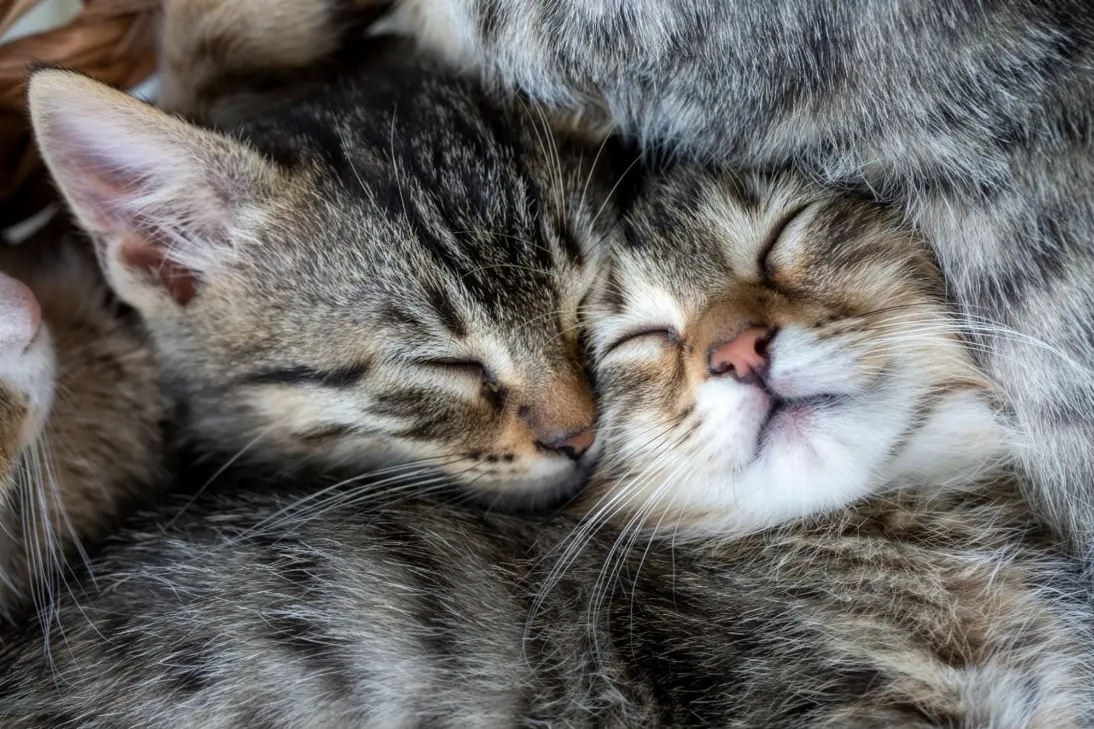
Start Kitten Lethargy AssessmentHealthy kittens typically sleep 16-20 hours daily. Sleep is essential for growth and development; they wake for feeding, play, and grooming.
A sleepy kitten wakes easily and eats/plays normally when awake. A lethargic kitten is difficult to rouse and shows reduced appetite, weakness, or dull responses.
Increased sleep may indicate stress, nutritional deficiency, infection, parasites, anemia, or metabolic illness. Monitor for other signs like reduced appetite or weakness.
Seek immediate care if your kitten is unresponsive, has pale gums, refuses food/water for >12 hours, shows weakness, or cannot stand.
Yes, stress from new environments, loud noises, or changes in routine can cause temporary withdrawal and increased sleep. If it persists beyond 48 hours, consult your veterinarian.