Evaluate your rabbit’s diarrhea with AI-driven clinical guidance. Understand emergency causes, monitor symptoms, and prepare data for your exotics veterinarian without replacing their expert care.
Diarrhea in rabbits is a medical emergency that can rapidly lead to dehydration, electrolyte imbalances, and death. Unlike other species, rabbits have a delicate digestive system that relies on a specific balance of bacteria and fiber. Diarrhea may indicate serious conditions including bacterial infections, parasitic infestations, dietary indiscretion, or GI stasis. True watery diarrhea (as opposed to soft cecotropes) requires immediate veterinary attention.
While soft, grape-like clusters (cecotropes) are normal and consumed by rabbits for nutrition, true diarrhea ( unformed, watery, or foul-smelling stool ) is a critical emergency. Objective triage helps you distinguish between normal cecotrope production and life-threatening diarrhea, reducing anxiety while ensuring timely veterinary intervention.
Rabbits may develop diarrhea for various reasons, listed from mild to life-threatening.
Dietary Indiscretion
Sudden food changes, too many treats, or inappropriate foods (high sugar/starch) disrupt digestion; usually self-limiting.
Cecal Dysbiosis
Imbalance in cecal bacteria causing soft, mushy stools; often from stress, diet changes, or antibiotics.
Parasitic Infestation
Coccidia, pinworms, or other parasites can cause diarrhea, especially in young rabbits; requires diagnostic testing.
Bacterial Infection
Pathogens like E. coli, Salmonella, or Clostridium cause severe watery diarrhea with systemic illness and dehydration.
Antibiotic-Associated Diarrhea
Antibiotics can disrupt normal gut flora, leading to potentially fatal enterotoxemia; common with certain antibiotics.
Systemic Illness or Toxin Exposure
Kidney disease, liver disease, or ingestion of toxic plants causing diarrhea; requires immediate veterinary evaluation.
✦ This list represents common causes of diarrhea in rabbits but does not constitute a complete diagnosis. Rabbits have a delicate digestive system that relies on a specific balance of bacteria and fiber. Diarrhea in rabbits is a medical emergency that can rapidly lead to dehydration, electrolyte imbalances, and death. Watery, foul-smelling diarrhea with lethargy, hunched posture, or reduced appetite requires immediate veterinary evaluation. Veterinary AI provides real-time clinical triage tailored to rabbit diarrhea, helping you distinguish between mild issues and life-threatening conditions requiring prompt veterinary attention with clarity and confidence.
Non-invasive, medically safe measures to support your kitten and monitor for appetite loss
Offer Warm, Aromatic Food
Gently warm wet food to enhance aroma; try offering a small amount of kitten-specific food or bland chicken baby food (no onion/garlic)
Check Hydration Status
Perform a skin tent test; if skin remains tented, dehydration is present. Offer water or unflavored electrolyte solution
Monitor for Hypoglycemia
Check gums; pale or tacky gums may indicate low blood sugar. Rub a small amount of corn syrup or honey on gums if weak
Observe for Vomiting or Diarrhea
Document frequency and consistency; dehydration can worsen rapidly; contact veterinarian if persistent
Keep Warm and Stress-Free
Provide a quiet, warm environment; reduce handling and noise to minimize stress and encourage eating
Do NOT Force-Feed
Never force food or water into a kitten's mouth; this can cause aspiration pneumonia and worsen the condition
⚠ These guidelines are temporary measures. Kittens have high metabolic demands and limited energy reserves. Refusal to eat for more than 12 hours is a medical emergency. Seek immediate veterinary evaluation if your kitten shows lethargy, weakness, pale gums, vomiting, diarrhea, or any signs of dehydration. Do not delay seeking care.
TESTIMONIALS
Timely, clinically-grounded support for every stage of your rabbit's diarrhea assessment
When your rabbit has diarrhea and you need to determine whether it is a mild issue or a life-threatening emergency requiring immediate veterinary intervention.
If your rabbit shows risk factors (dietary changes, stress, antibiotic use) or accompanying signs like lethargy, hunched posture, or reduced appetite — these may indicate serious underlying illness requiring urgent veterinary care.
When you need clinically grounded, exportable guidance to maximize the effectiveness of your upcoming exotics veterinary visit; including a structured summary documenting diarrhea duration, stool characteristics, and observations.
💡 Always trust your instincts. If you are concerned about your rabbit's diarrhea, Veterinary AI provides immediate, evidence-based assessment; but never delays seeking emergency care when a rabbit shows watery diarrhea with lethargy, hunched posture, or signs of dehydration. Rabbit diarrhea is a life-threatening emergency. Seek immediate veterinary care.
Flexible, cancel anytime
Best value for your pet
Just €7.58/month
Thanks for your interest in Veterinary AI. We'll notify you as soon as your AI consultation is ready. Check your email for confirmation.
More and more pet owners trust Veterinary AI for their pet's health. Get instant AI consultations, track medical records, set vaccine reminders, and access expert guidance — all from your phone. No waiting rooms, no appointments. Start now.
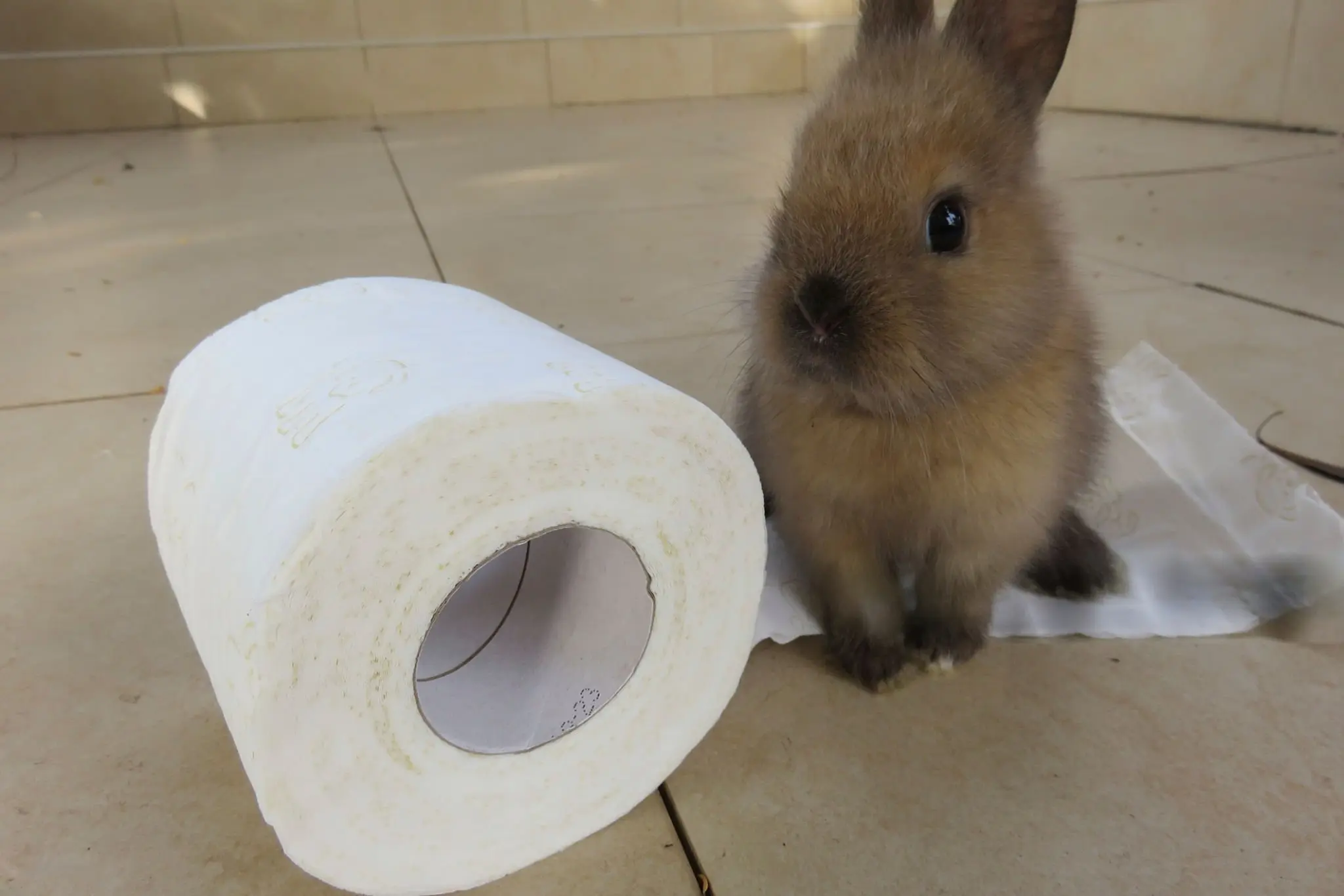
Everything you need to know about rabbit diarrhea and how Veterinary AI can help. Can't find what you're looking for?
Start Rabbit Diarrhea AssessmentCecotropes are soft, grape-like clusters eaten by rabbits for nutrition. Diarrhea is unformed, watery, foul-smelling stool that indicates serious illness.
Causes include dietary changes, stress, bacterial infection, parasites, antibiotic use, or systemic illness. Veterinary evaluation is essential.
Remove sugary foods, offer fresh hay and water, and seek veterinary care immediately. Do not use human anti-diarrheal medications.
Yes, diarrhea can rapidly lead to dehydration, electrolyte imbalances, and death. It is a medical emergency requiring prompt veterinary attention.
Seek immediate care if diarrhea is watery, foul-smelling, or accompanied by lethargy, reduced appetite, or signs of dehydration.