Rabbit Not Eating: Clinical Triage Support

Evaluate your rabbit’s appetite loss with AI-driven clinical guidance. Understand GI stasis risk, monitor symptoms, and prepare data for your exotics veterinarian without replacing their expert care.

VETERINARY AI FOR PET OWNERS

Understanding Appetite Loss in Rabbits: When to Monitor and When to Act

Rabbits are obligate herbivores with a digestive system that requires constant food intake to maintain gastrointestinal motility. Anorexia (not eating) in rabbits is a medical emergency that can rapidly progress to GI stasis, a life-threatening condition where the digestive system slows or stops. Without prompt intervention, hepatic lipidosis and dehydration can develop within 12-24 hours.

While a single missed meal may seem minor in other species, in rabbits it signals a critical health crisis requiring immediate attention. Objective triage helps you assess the urgency, identify underlying causes, and take appropriate action while preparing for veterinary evaluation. Never wait to see if a rabbit “feels better” , time is of the essence.

Veterinary AI

Assess your rabbit's appetite loss with clinical precision

Common Causes of Appetite Loss in Rabbits

Rabbits may refuse food for various reasons, listed from mild to life-threatening.

Stress or Environmental Change

New home, loud noises, or changes in routine can cause temporary appetite loss; usually resolves within 24-48 hours.

Dietary Imbalance

Low-fiber diet, sudden food changes, or inadequate hay intake disrupt digestive function and may lead to anorexia.

Pain from Other Conditions

Arthritis, urinary tract issues, or infections can cause anorexia due to discomfort; often accompanied by reduced mobility.

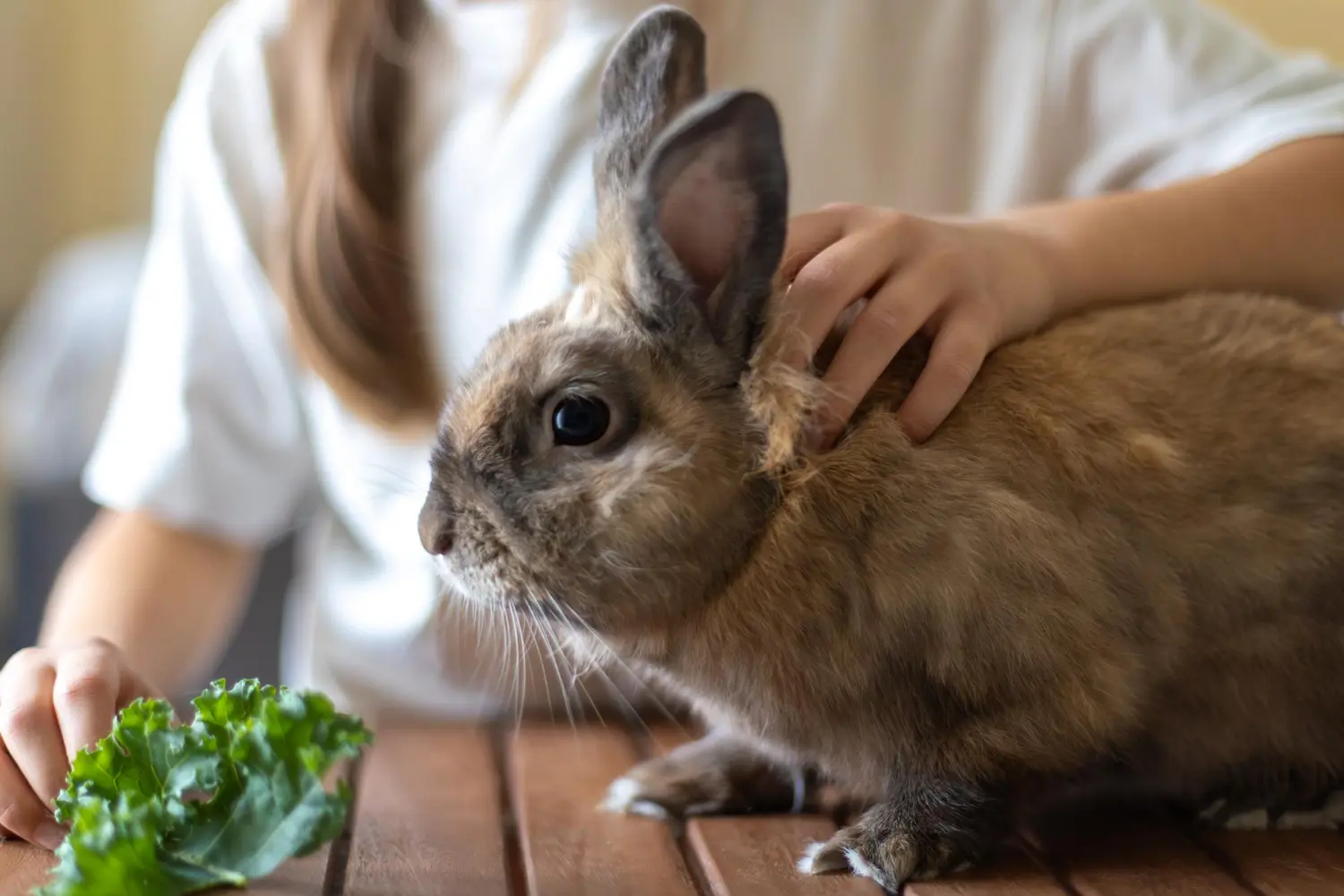
Rabbit refusing food, showing signs of anorexia including hunched posture and reduced fecal pellets

Dental Disease

Overgrown molars or spurs cause pain when eating; common in rabbits with inadequate hay intake; requires veterinary dental care.

Gastrointestinal Stasis (GI Stasis)

Slowed or stopped gut motility; often secondary to stress, pain, or dietary issues; life-threatening if untreated.

Systemic Illness

Infections, kidney disease, or other systemic conditions affecting appetite and energy; requires immediate veterinary evaluation.

This list represents common causes of appetite loss in rabbits but does not constitute a complete diagnosis. Rabbits have a digestive system that requires constant food intake to maintain gastrointestinal motility. Anorexia lasting more than 6-8 hours is a medical emergency that can rapidly progress to GI stasis, dehydration, and hepatic lipidosis. Persistent anorexia, reduced fecal output, or signs of pain require immediate veterinary evaluation. Veterinary AI provides real-time clinical triage tailored to rabbit appetite loss, helping you distinguish between mild issues and life-threatening conditions requiring prompt veterinary attention with clarity and confidence.

+0
Symptoms analyzed
by pet owners worldwide
+0
Pet owners trusting
AI for their pet's health
0/7
Available anytime
even at 2AM emergencies

Safe Home Care & Monitoring Guidelines

Non-invasive, medically safe measures to support your rabbit and monitor for appetite loss

Monitor Food and Water Intake

Track hay, pellet, and green consumption; weigh your rabbit daily; reduced intake is an early warning sign

Check Fecal Output

Monitor quantity, size, and shape; small, absent, or misshapen pellets indicate GI stasis or digestive issues

Assess Abdominal Comfort

Gently palpate the abdomen; a hard, bloated, or painful abdomen is an emergency requiring immediate veterinary care

Observe Behavior and Posture

Hunched posture, teeth grinding, or reluctance to move indicate pain; contact veterinarian immediately if observed

Provide Fresh Hay and Water

Ensure constant access to fresh hay and clean water; remove uneaten fresh greens after 2 hours

Do NOT Force-Feed or Give Medications

Never force-feed or administer any medications without veterinary guidance; this can cause aspiration or worsen the condition

These guidelines are supportive measures, not treatment protocols. Rabbits have a digestive system that requires constant food intake. Anorexia lasting more than 6-8 hours is a medical emergency that can rapidly progress to GI stasis, dehydration, and hepatic lipidosis. If your rabbit shows reduced fecal output, hunched posture, teeth grinding, bloating, or lethargy, seek emergency veterinary care immediately. Do not delay seeking professional evaluation.

TESTIMONIALS

OPYNIO Reviews Rabbit Not Eating

When Can Veterinary AI Help You and Your Rabbit?

Timely, clinically-grounded support for every stage of your rabbit's appetite and digestive health assessment

Unsure About Urgency?

When your rabbit is not eating and you need to determine whether it is a mild issue or a life-threatening emergency like GI stasis requiring immediate veterinary intervention.

Risk Factors or Accompanied Signs?

If your rabbit shows risk factors (dental issues, poor diet, stress) or accompanying signs like reduced fecal output, hunched posture, or teeth grinding — these may indicate serious underlying illness requiring urgent veterinary care.

Pre-Visit Preparation?

When you need clinically grounded, exportable guidance to maximize the effectiveness of your upcoming exotics veterinary visit; including a structured summary documenting anorexia duration, fecal changes, and observations.

💡 Always trust your instincts. If you are concerned about your rabbit not eating, Veterinary AI provides immediate, evidence-based assessment; but never delays seeking emergency care when a rabbit shows anorexia >6 hours, reduced fecal output, hunched posture, teeth grinding, or signs of bloating. Rabbit anorexia is a life-threatening emergency. Rabbits cannot fast safely. Seek immediate veterinary care.

When to Seek Immediate Emergency Care

Kitten anorexia is a life-threatening emergency. These warning signs require prompt veterinary attention, supported by Veterinary AI's core tools when your kitten is not eating.

🚨 Instant Symptom Analysis & Risk Scoring

A kitten not eating for >12 hours with lethargy or weakness is flagged as a critical emergency; this may indicate severe hypoglycemia, dehydration, or underlying systemic illness requiring immediate veterinary intervention.

🩸 24/7 Smart Triage & Urgency Assessment

Pale gums, weakness, or collapse signals severe hypoglycemia or systemic failure requiring immediate emergency evaluation and intensive care.

📄 Exportable Clinical Summary Report

Persistent anorexia, vomiting, diarrhea, or signs of dehydration requires organized data for your emergency vet; our report consolidates duration of anorexia, symptoms, and clinical history for rapid evaluation.

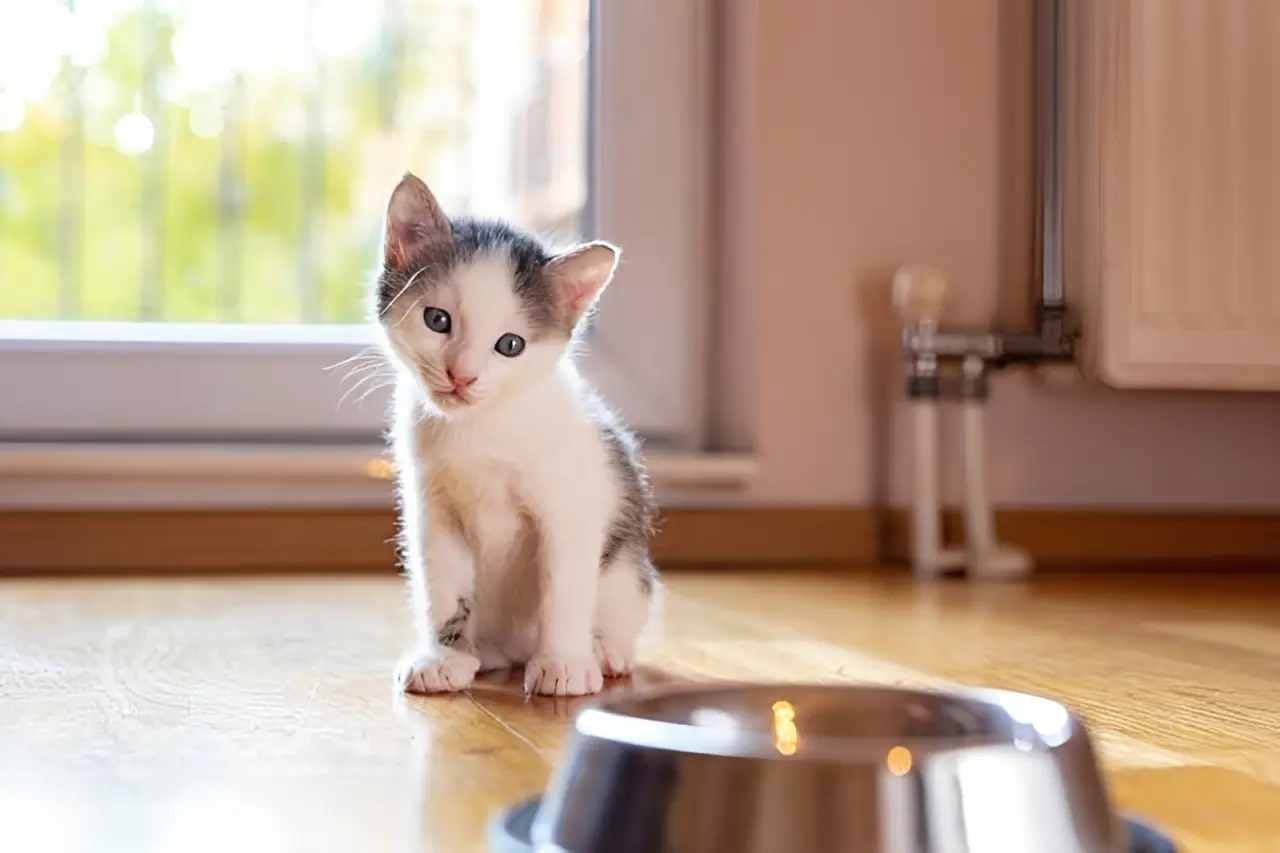
Emergency kitten anorexia including severe weight loss, hypoglycemia, and dehydration requiring prompt veterinary care
Instant Symptom Analysis & Risk Scoring

Persistent vomiting or diarrhea alongside anorexia triggers an alert; this may indicate gastrointestinal infection, parasites, or systemic illness requiring immediate veterinary assessment.

🔄 24/7 Smart Triage & Urgency Assessment

Signs of dehydration (sunken eyes, skin tenting, dry gums) signals severe fluid loss requiring immediate veterinary evaluation and fluid therapy.

📋 Exportable Clinical Summary Report

Not eating for >24 hours or progressive weight loss requires comprehensive data; our summary documents all observations to help your veterinarian expedite care and determine the underlying cause.

🚨 Any of these signs? Seek emergency care NOW.

Veterinary AI prepares a clinical summary for your emergency veterinarian while you prepare, but prompt emergency attention is essential for kittens not eating for >12 hours with lethargy, weakness, pale gums, vomiting, diarrhea, or signs of dehydration. Kitten anorexia is a life-threatening emergency. Kittens cannot fast safely. Offer warm glucose on gums while transporting to the nearest emergency animal hospital. Do not delay seeking care.

Start Kitten Anorexia Assessment

Monthly

Flexible, cancel anytime

€9.99 /month
AI symptom assessment
Emergency guidance 24/7
Preventive care reminders
Wellness monitoring
Breed-specific health tips
Unlimited conversations
Start monthly plan
SAVE 24%

Annual

Best value for your pet

€90.99 /year

Just €7.58/month

AI symptom assessment
Emergency guidance 24/7
Preventive care reminders
Wellness monitoring
Breed-specific health tips
Priority support
Start annual plan
Veterinary AI provides clinical triage support and educational information; it does not constitute a diagnosis, treatment plan, or substitute for professional, in-person veterinary care.

By submitting you agree to our Privacy Policy

Veterinary AI

AI-Powered Pet Care 24/7

More and more pet owners trust Veterinary AI for their pet's health. Get instant AI consultations, track medical records, set vaccine reminders, and access expert guidance — all from your phone. No waiting rooms, no appointments. Start now.
FAQ

Frequently Asked
Questions

Everything you need to know about rabbit not eating and how Veterinary AI can help. Can't find what you're looking for?

Start Rabbit Anorexia Assessment

How long can a rabbit go without eating?

Rabbits should not go more than 6-8 hours without eating. Anorexia beyond 12 hours is a life-threatening emergency that can lead to GI stasis and hepatic lipidosis.

What is GI stasis in rabbits?

GI stasis is a condition where the digestive system slows or stops, causing gas buildup, pain, and potentially fatal complications. It is often triggered by stress, pain, or dietary issues.

How can I tell if my rabbit is in pain?

Signs include teeth grinding, hunched posture, reduced activity, reluctance to move, and decreased appetite. Any combination of these requires veterinary evaluation.

What should I do if my rabbit stops eating?

Offer fresh hay and water; monitor fecal output closely. Seek veterinary care immediately if anorexia persists beyond 6 hours.

When is a rabbit not eating an emergency?

Immediate emergency care is needed if anorexia exceeds 12 hours, if there are no fecal pellets, if the abdomen is bloated, or if your rabbit shows signs of severe pain.