Cat Blind Symptoms? Get Clinical Triage Now

Veterinary AI provides objective, evidence-based guidance to help you assess your cat’s vision changes. This supports, but never replaces, your in-person veterinary examination.

VETERINARY AI FOR PET OWNERS

Understanding Vision Loss in Cats: A Clinical Perspective

Vision loss in cats may result from ocular disease (retinal detachment, glaucoma, cataracts) or central neurologic pathology affecting the visual pathways. Unlike dogs, cats compensate remarkably well using other senses; early signs (bumping into objects, dilated pupils, reluctance to jump) are often subtle. Prompt evaluation distinguishes between treatable ocular conditions and irreversible neurologic damage.

While gradual vision loss may be age-related (senile cataracts), acute blindness signals urgent pathology including hypertension-induced retinal detachment, optic neuritis, or cerebral vascular events. Avoid panic, but recognize that early intervention can preserve vision in many cases. Veterinary AI offers structured triage to clarify when urgent evaluation is critical versus when scheduled assessment is appropriate.

Veterinary AI

Assess your cat's vision changes with clinical precision

Common Causes of Cat Blind Symptoms

Understanding these potential causes helps you identify vision concerns early and seek appropriate veterinary care.

Systemic Hypertension

High blood pressure causing retinal detachment or hemorrhage; common in older cats with kidney disease or hyperthyroidism

Glaucoma

Increased intraocular pressure damaging the optic nerve; causes pain, redness, and progressive vision loss

Retinal Degeneration or Atrophy

Progressive deterioration of the retina (photoreceptor cells); often hereditary or age-related

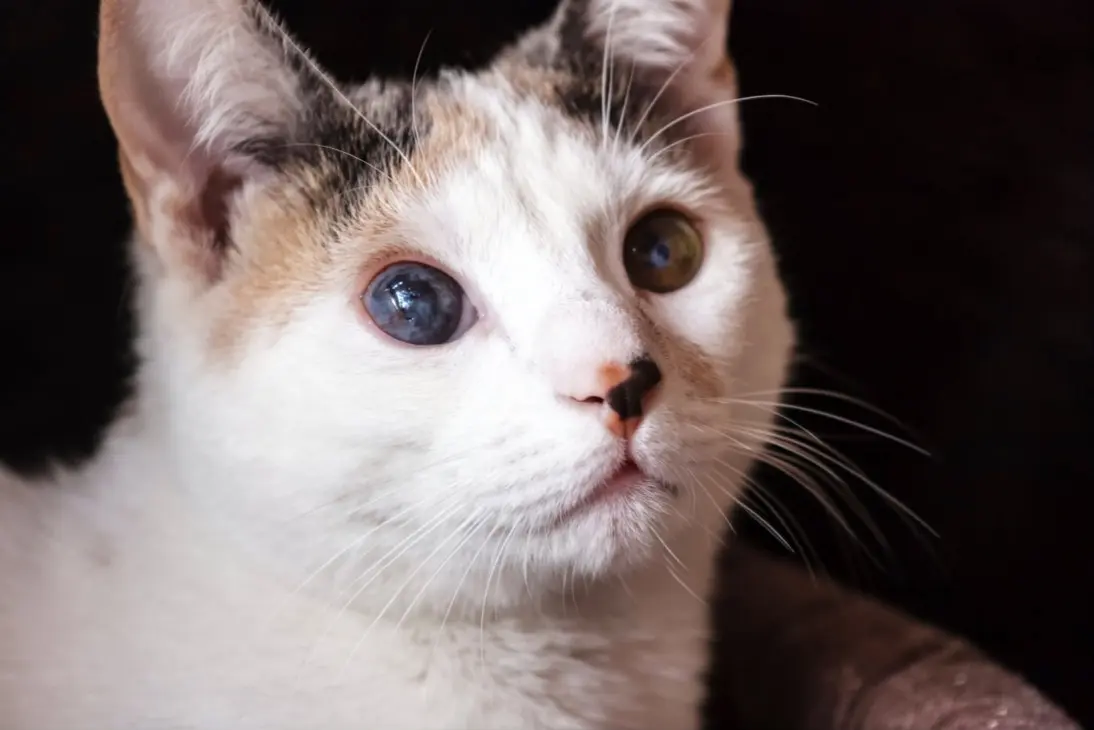
Cat showing signs of blindness: clinical assessment and triage support

Cataracts

Opacification of the lens impairing light transmission; may be age-related, diabetic, or secondary to uveitis

Optic Neuritis or Uveitis

Inflammation of the optic nerve or uveal tract; may indicate infectious, immune-mediated, or neoplastic disease

Intracranial Lesion (Tumor, CVA, Inflammation)

Central nervous system pathology affecting the visual pathways (optic tracts, occipital cortex); often with other neurologic deficits

If your cat shows signs of vision loss, especially acute onset or dilated non-reactive pupils, early detection is critical. Veterinary AI provides real-time clinical triage tailored to feline-specific ocular and neurologic risks; helping you distinguish between benign causes and conditions requiring prompt veterinary evaluation with clarity and confidence.

TESTIMONIALS

OPYNIO Reviews Cat Blind Symptoms

When Can Veterinary AI Help You and Your Cat?

Timely, clinically-grounded support for every stage of your cat's vision assessment

Unsure About Severity?

When your cat shows signs of vision loss and you cannot determine whether it is age-related decline (senile cataracts) or a sign of serious ocular or neurologic disease (hypertension, glaucoma, retinal detachment, or intracranial pathology) requiring immediate veterinary attention.

Persistent or Escalating?

If your cat's vision loss worsens, is accompanied by dilated non-reactive pupils, eye pain (squinting, pawing, redness), or behavioral changes indicating progression; these may indicate hypertensive crisis, glaucoma, or intracranial pathology requiring urgent care.

Pre-Visit Preparation?

When you need clinically-grounded guidance while preparing the exact history (onset, pupillary response, eye appearance, behavioral changes, and all clinical observations) your veterinarian needs for ophthalmologic and neurologic differential diagnosis.

💡 Always trust your instincts. If you are concerned about your cat's vision, Veterinary AI provides immediate, evidence-based assessment; but never delays seeking emergency care when your cat shows signs of sudden blindness, eye pain, dilated non-reactive pupils, or progressive neurologic deterioration.

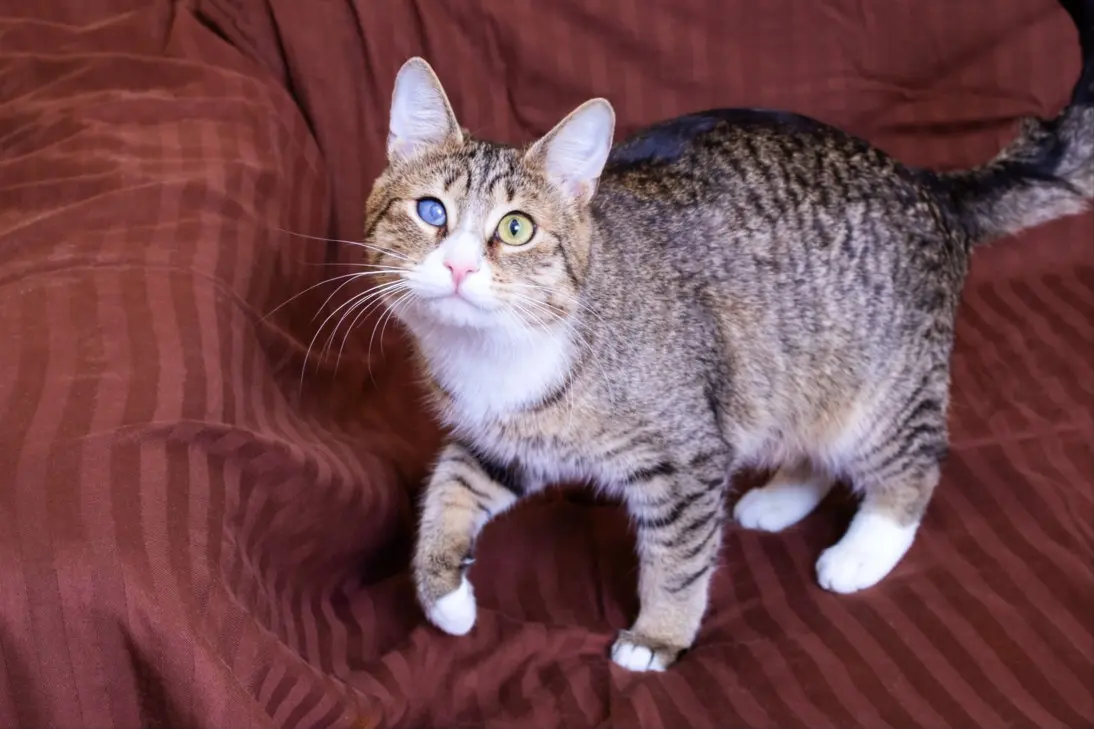
Cat showing signs of blindness or vision loss requiring immediate emergency veterinary care

When to Seek Immediate Emergency Care

Red flags that require urgent veterinary attention; and how Veterinary AI supports each critical decision when your cat shows concerning vision changes.

Sudden, Complete Vision Loss

Instant Symptom Analysis flags acute blindness; immediate evaluation required for potential vision preservation

Eye Pain (Squinting, Pawing, Redness)

Risk Scoring identifies glaucoma or uveitis; immediate veterinary care required to prevent irreversible damage

Dilated, Non-Reactive Pupils

24/7 Smart Triage detects retinal or optic nerve compromise; escalate to ER immediately

Acute Blindness with Neurologic Signs

Urgency Assessment identifies intracranial pathology; immediate vet visit recommended

Cloudy Eye with Visible Changes

Exportable Report documents ocular findings for immediate emergency vet review

Vomiting, Lethargy, or Weakness

Exportable Report captures systemic signs for your emergency veterinarian; go immediately

🚨 These signs require immediate in-person emergency veterinary care. Veterinary AI is not a substitute for emergency medical attention. If your cat shows any of these red flags alongside vision changes, do not delay; seek emergency care immediately.

Monthly

Flexible, cancel anytime

€9.99 /month
AI symptom assessment
Emergency guidance 24/7
Preventive care reminders
Wellness monitoring
Breed-specific health tips
Unlimited conversations
Start monthly plan
SAVE 24%

Annual

Best value for your pet

€90.99 /year

Just €7.58/month

AI symptom assessment
Emergency guidance 24/7
Preventive care reminders
Wellness monitoring
Breed-specific health tips
Priority support
Start annual plan
Veterinary AI provides clinical triage support and educational information; it does not constitute a diagnosis, treatment plan, or substitute for professional, in-person veterinary care.

By submitting you agree to our Privacy Policy

Veterinary AI

AI-Powered Pet Care 24/7

More and more pet owners trust Veterinary AI for their pet's health. Get instant AI consultations, track medical records, set vaccine reminders, and access expert guidance — all from your phone. No waiting rooms, no appointments. Start now.
FAQ

Frequently Asked
Questions

Everything you need to know about cat blindness symptoms and how Veterinary AI can help. Can't find what you're looking for?

Start Symptom Assessment

Why is my cat suddenly blind?

Sudden blindness can result from hypertension (retinal detachment), glaucoma, optic neuritis, or stroke. Immediate veterinary evaluation is critical for potential vision preservation.

How do I know if my cat is going blind?

Signs include bumping into objects, dilated pupils, hesitancy to jump, cloudiness or redness in eyes, and changes in behavior (anxiety, vocalization).

Can blindness in cats be reversed?

Some causes (hypertension-induced retinal detachment with early treatment, cataract surgery) may allow vision recovery. Others (genetic retinal degeneration, advanced glaucoma) cause permanent loss.

Do cats adapt well to blindness?

Yes, cats adapt remarkably using hearing, smell, and whiskers. Maintain a consistent environment, avoid moving furniture, and use verbal cues to help your cat navigate safely.

What causes cloudy eyes in cats?

Cloudy eyes may indicate cataracts, glaucoma, uveitis, or corneal disease. Veterinary examination is essential for accurate diagnosis and appropriate treatment.