Veterinary AI helps you assess your cat’s yellow gums using evidence-based clinical algorithms. Get objective guidance to determine urgency while supporting, not replacing, your in-person veterinarian.
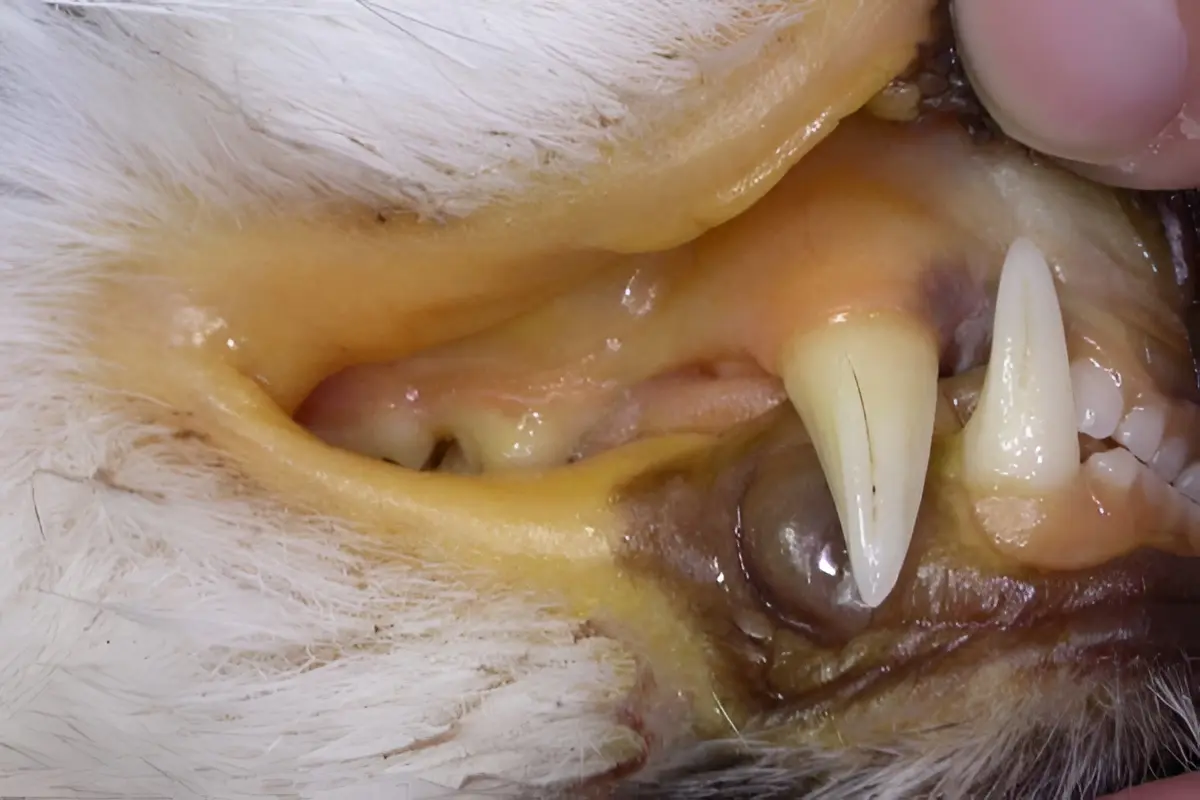
Yellow gums in cats (feline icterus or jaundice) signal bilirubin accumulation in tissues, indicating underlying hepatobiliary disease, hemolytic anemia, or cholestasis. This clinical finding requires systematic evaluation to identify the root cause.
While some causes of icterus resolve with treatment, persistent or progressive yellowing demands objective monitoring. Veterinary AI provides structured triage to help you distinguish between manageable concerns and potential emergencies, enabling informed decisions without unnecessary delay.
Feline icterus originates from multiple clinical pathways, listed from mild to severe.
Mild Hepatic Lipidosis
Fatty liver disease causing mild bilirubin elevation; often associated with anorexia and weight loss.
Cholangitis / Cholangiohepatitis
Bile duct inflammation impairs bilirubin excretion; may be bacterial, immune-mediated, or idiopathic.
Gallbladder Mucocele or Obstruction
Bile duct blockage prevents bilirubin clearance; can progress to life-threatening cholestasis.
Hemolytic Anemia
Rapid red blood cell destruction overwhelms liver's bilirubin processing capacity, causing icterus.
Feline Infectious Peritonitis (FIP)
Systemic coronavirus infection causing granulomatous inflammation; icterus indicates severe hepatic or peritoneal involvement.
Hepatic Neoplasia or Liver Failure
Primary or metastatic liver tumors cause progressive icterus with systemic decompensation and poor prognosis.
✦ This list represents common differentials but does not constitute a complete diagnosis. Persistent or progressive icterus warrants veterinary evaluation to rule out both hepatobiliary and hematologic pathology. Veterinary AI provides real-time clinical triage tailored to feline-specific liver and biliary risks, helping you distinguish between manageable concerns and conditions requiring prompt veterinary attention with clarity and confidence.
Non-invasive, medically safe measures to support your cat and monitor for icterus and liver-related changes
Gum Color Observation
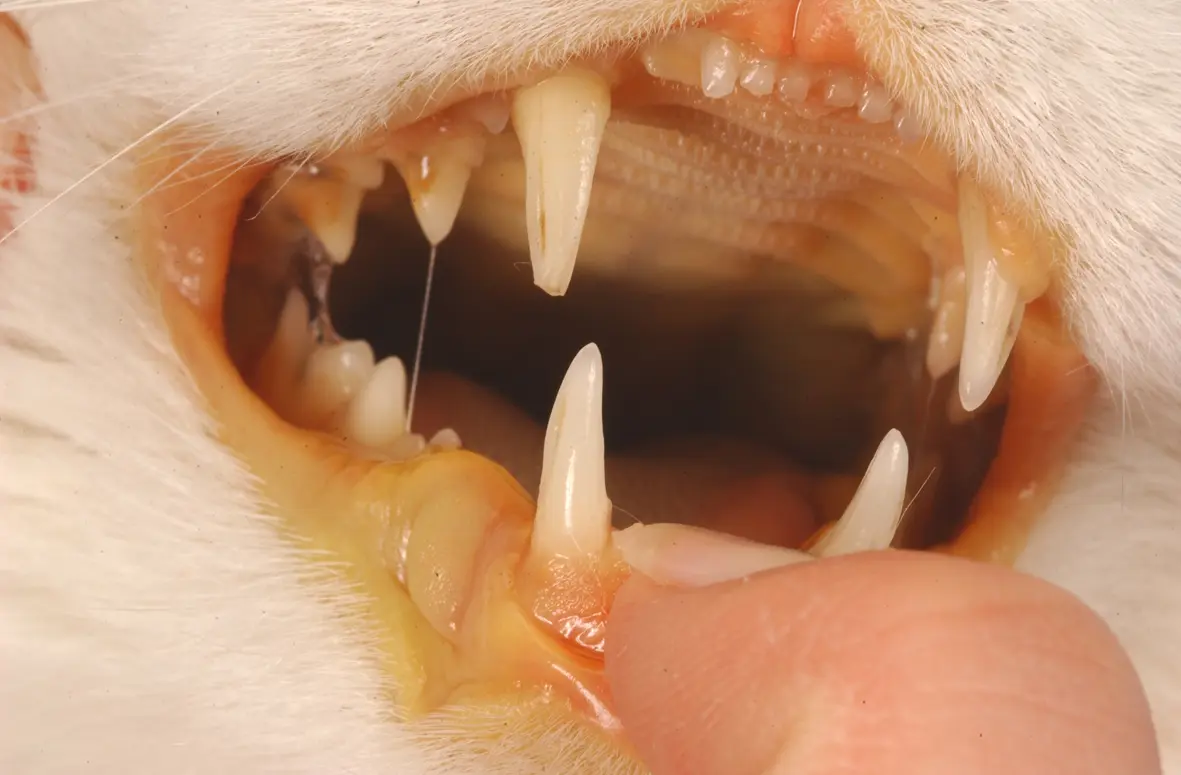
Gently lift your cat's lip and observe gum color in natural light at least twice daily; note any yellowing or progression from mild to bright yellow
Urine Color Monitoring
Monitor urine color; dark yellow, orange, or brown urine may indicate increased bilirubin excretion (bilirubinuria)
Appetite and Food Intake Tracking
Track daily food consumption; reduced intake may signal hepatic dysfunction, nausea, or systemic illness
Vomiting and GI Monitoring
Observe for vomiting, diarrhea, or abdominal discomfort; note frequency, character, and any associated signs
Energy and Neurologic Observation
Monitor energy levels; document any progressive lethargy, weakness, confusion, head pressing, or seizures
Clinical Summary Preparation
Document gum color changes, urine color, appetite, vomiting episodes, energy level, and any neurologic signs for your veterinarian
⚠ These guidelines are supportive measures only. They do not treat underlying conditions or replace professional veterinary assessment. Always consult your veterinarian for definitive guidance.
TESTIMONIALS
Timely, clinically-grounded support for every stage of your cat's icterus assessment
When your cat has yellow gums and you cannot determine whether it signals mild hepatic lipidosis, cholangitis, or a serious condition like bile duct obstruction, hemolytic anemia, or liver failure requiring immediate veterinary attention.
If your cat's icterus is accompanied by lethargy, vomiting, dark urine, reduced appetite, or worsening gum color; these may indicate progressive hepatobiliary disease or hemolysis requiring urgent care.
When you need clinically grounded, exportable guidance to maximize the effectiveness of your upcoming veterinary consultation; including a structured clinical summary documenting gum color, urine color, appetite, and vomiting episodes.
💡 Always trust your instincts. If you are concerned about your cat's yellow gums, Veterinary AI provides immediate, evidence-based assessment; but never delays seeking emergency care when your cat shows signs of bright yellow gums, persistent vomiting, abdominal pain, collapse, or neurologic changes.
These warning signs require urgent action, supported by Veterinary AI's core tools when your cat shows yellow gums and related signs.
Gums appearing bright yellow or orange with abdominal pain is flagged as a critical emergency; this may indicate severe liver disease, bile duct obstruction, or cholestasis requiring immediate intervention.
Dark, tea-colored urine (bilirubinuria) with icterus triggers a critical alert; this indicates pigmenturia associated with severe hemolysis, hepatic failure, or bile duct obstruction requiring immediate evaluation.
Persistent vomiting with yellow gums and anorexia signals critical liver or biliary disease; immediate evaluation is essential to prevent dehydration, metabolic derangement, and further hepatic compromise.
Profound lethargy, weakness, or collapse with jaundice indicates systemic decompensation; this may signal acute liver failure, severe hemolytic crisis, or metabolic encephalopathy requiring urgent care.
Yellow gums with ascites (abdominal swelling) requires organized data for your vet; our report documents fluid accumulation with icterus for rapid diagnostic evaluation of hepatic or peritoneal disease.
Neurologic signs (head pressing, circling, seizures) with icterus requires comprehensive data; our summary documents hepatic encephalopathy parameters to help your emergency veterinarian expedite triage.
Any of these signs? Do not wait.
Veterinary AI prepares a clinical summary for your veterinarian while you travel, but immediate emergency veterinary attention is essential for bright yellow gums, persistent vomiting, abdominal pain, collapse, or neurologic changes in cats.
Flexible, cancel anytime
Best value for your pet
Just €7.58/month
Thanks for your interest in Veterinary AI. We'll notify you as soon as your AI consultation is ready. Check your email for confirmation.
More and more pet owners trust Veterinary AI for their pet's health. Get instant AI consultations, track medical records, set vaccine reminders, and access expert guidance — all from your phone. No waiting rooms, no appointments. Start now.
Everything you need to know about cat yellow gums and how Veterinary AI can help. Can't find what you're looking for?
Start Symptom AssessmentYellow gums indicate bilirubin accumulation (icterus) from liver disease, bile duct obstruction, or rapid red blood cell destruction (hemolysis). Veterinary evaluation is essential.
Yes, yellow gums can indicate serious conditions like liver failure, bile duct obstruction, or severe hemolytic anemia requiring immediate veterinary attention.
Healthy cat gums should be pink (or pigmented in dark-coated cats), moist, and smooth. Yellow, pale, or white gums are abnormal and warrant veterinary evaluation.
No, dehydration typically causes pale or tacky gums, not yellow discoloration. Yellow gums specifically indicate bilirubin accumulation from hepatobiliary or hemolytic disease.
Jaundice causes include hepatic lipidosis, cholangitis, bile duct obstruction, hemolytic anemia, FIP, or liver tumors. Blood work and imaging are essential for diagnosis.