Cat Pale Gums? Clinical Triage for Feline Pallor

Veterinary AI helps you assess your cat’s pale gums using evidence-based clinical algorithms. Get objective guidance to determine urgency while supporting, not replacing, your in-person veterinarian.

VETERINARY AI FOR PET OWNERS

Understanding Feline Pallor: More Than Just Gum Color

Pale gums in cats (feline pallor) often signal reduced peripheral perfusion, anemia, or systemic hypoperfusion. This clinical sign may indicate underlying conditions ranging from blood loss and hemolysis to cardiovascular compromise or shock.

While some causes of pallor resolve with supportive care, persistent or progressive paleness demands objective monitoring. Veterinary AI provides structured triage to help you distinguish between manageable concerns and potential emergencies, enabling informed decisions without unnecessary delay.

Veterinary AI

Assess your cat's pale gums with clinical precision

Common Causes of Cat Pale Gums

Feline pallor originates from multiple clinical pathways, listed from mild to severe.

Mild Dehydration or Stress

Reduced peripheral circulation from mild fluid deficit causes transient, reversible gum paleness.

Nutritional Deficiencies

Iron or B-vitamin deficiencies can impair red blood cell production, resulting in mild anemia and pallor.

Chronic Kidney Disease (CKD)

Reduced erythropoietin production in advanced renal failure leads to non-regenerative anemia and progressive pallor.

Cat with pale gums showing signs of anemia or hypoperfusion requiring clinical assessment

Blood Loss Anemia

Internal or external hemorrhage (trauma, parasites, ulcers) reduces red blood cell mass, producing significant pallor.

Hemolytic Anemia

Immune-mediated destruction or toxin-induced red blood cell lysis causes rapid-onset pallor with icterus.

Shock or Cardiovascular Compromise

Severe hypoperfusion from heart failure or distributive shock creates life-threatening pallor with weak pulses.

This list represents common differentials but does not constitute a complete diagnosis. Persistent or progressive pallor warrants veterinary evaluation to rule out both hematologic and systemic pathology. Veterinary AI provides real-time clinical triage tailored to feline-specific anemia and perfusion risks, helping you distinguish between manageable concerns and conditions requiring prompt veterinary attention with clarity and confidence.

+0
Symptoms analyzed
by pet owners worldwide
+0
Pet owners trusting
AI for their pet's health
0/7
Available anytime
even at 2AM emergencies

Safe Home Care & Monitoring Guidelines

Non-invasive, medically safe measures to support your cat and monitor for pallor and perfusion changes

Gum Color Observation

Gently lift your cat's lip and observe gum color in natural light at least twice daily; note any changes from pink to pale or white

Capillary Refill Time (CRT) Assessment

Press gently on the gum and release; color should return within 1-2 seconds. Prolonged CRT (>2 sec) indicates reduced perfusion

Respiratory Rate and Effort Monitoring

Count breaths per minute when your cat is resting (normal: 20-30); note any labored breathing or increased effort

Appetite and Hydration Tracking

Monitor daily food and water intake; document any decrease or changes in consumption; reduced intake may signal systemic illness

Energy Level and Activity Observation

Observe for lethargy, weakness, reluctance to move, or collapse; note any progressive deterioration over time

Clinical Summary Preparation

Document gum color changes, CRT, respiratory rate, appetite, energy level, and any other observations for your veterinarian

These guidelines are supportive measures only. They do not treat underlying conditions or replace professional veterinary assessment. Always consult your veterinarian for definitive guidance.

TESTIMONIALS

OPYNIO Reviews Cat Gums Pale

When Can Veterinary AI Help You and Your Cat?

Timely, clinically-grounded support for every stage of your cat's pallor assessment

Unsure About Severity?

When your cat has pale gums and you cannot determine whether it signals mild anemia, dehydration, or a serious condition like severe blood loss, hemolytic anemia, or shock requiring immediate veterinary attention.

Persistent or Escalating?

If your cat's pallor is accompanied by lethargy, rapid breathing, weakness, collapse, or worsening gum color; these may indicate progressive anemia or cardiovascular compromise requiring urgent care.

Pre-Visit Preparation?

When you need clinically grounded, exportable guidance to maximize the effectiveness of your upcoming veterinary consultation; including a structured clinical summary documenting gum color, CRT, respiratory rate, and appetite changes.

💡 Always trust your instincts. If you are concerned about your cat's pale gums, Veterinary AI provides immediate, evidence-based assessment; but never delays seeking emergency care when your cat shows signs of white gums, rapid breathing, collapse, vomiting blood, or progressive weakness.

When to Seek Immediate Emergency Care

These warning signs require urgent action, supported by Veterinary AI's core tools when your cat shows pale gums and related signs.

Emergency signs of severe anemia and pallor in cats requiring immediate veterinary care
Instant Symptom Analysis & Risk Scoring

Gums appearing white or gray with weak pulses is flagged as a critical emergency; this may indicate severe hypoperfusion, hemorrhagic shock, or cardiovascular collapse requiring immediate intervention.

🚨 Instant Symptom Analysis & Risk Scoring

Rapid, labored breathing (tachypnea) with pallor triggers a critical alert; this indicates respiratory compromise associated with severe anemia, hypoxia, or cardiac dysfunction requiring immediate evaluation.

🔄 24/7 Smart Triage & Urgency Assessment

Sudden collapse or inability to stand with pale gums signals critical decompensation; this may indicate severe anemia, shock, or cardiovascular emergency requiring immediate life-saving care.

🩸 24/7 Smart Triage & Urgency Assessment

Vomiting blood (hematemesis) or dark, tarry stools (melena) with pallor indicates potential gastrointestinal hemorrhage requiring urgent evaluation and possible transfusion.

📄 Exportable Clinical Summary Report

Pale gums with jaundice (yellowing of eyes or skin) requires organized data for your vet; our report consolidates pallor with icterus for rapid diagnostic evaluation of hemolytic anemia or hepatic disease.

📋 Exportable Clinical Summary Report

Progressive weakness with cold extremities and pale gums requires comprehensive data; our summary documents perfusion parameters and clinical history to help your emergency veterinarian expedite triage.

Any of these signs? Do not wait.

Veterinary AI prepares a clinical summary for your veterinarian while you travel, but immediate emergency veterinary attention is essential for white/pale gums, rapid breathing, collapse, vomiting blood, or progressive weakness in cats.

Start Symptom Assessment

Monthly

Flexible, cancel anytime

€9.99 /month
AI symptom assessment
Emergency guidance 24/7
Preventive care reminders
Wellness monitoring
Breed-specific health tips
Unlimited conversations
Start monthly plan
SAVE 24%

Annual

Best value for your pet

€90.99 /year

Just €7.58/month

AI symptom assessment
Emergency guidance 24/7
Preventive care reminders
Wellness monitoring
Breed-specific health tips
Priority support
Start annual plan
Veterinary AI provides clinical triage support and educational information; it does not constitute a diagnosis, treatment plan, or substitute for professional, in-person veterinary care.

By submitting you agree to our Privacy Policy

Veterinary AI

AI-Powered Pet Care 24/7

More and more pet owners trust Veterinary AI for their pet's health. Get instant AI consultations, track medical records, set vaccine reminders, and access expert guidance — all from your phone. No waiting rooms, no appointments. Start now.
FAQ

Frequently Asked
Questions

Everything you need to know about cat pale gums and how Veterinary AI can help. Can't find what you're looking for?

Start Symptom Assessment

Why are my cat's gums pale?

Pale gums indicate reduced blood flow or low red blood cell count. Causes include anemia, shock, blood loss, or systemic illness requiring prompt veterinary evaluation.

Are pale gums in cats an emergency?

Yes, pale gums can indicate critical conditions like severe anemia, internal bleeding, or shock. Immediate veterinary evaluation is strongly recommended.

What do healthy cat gums look like?

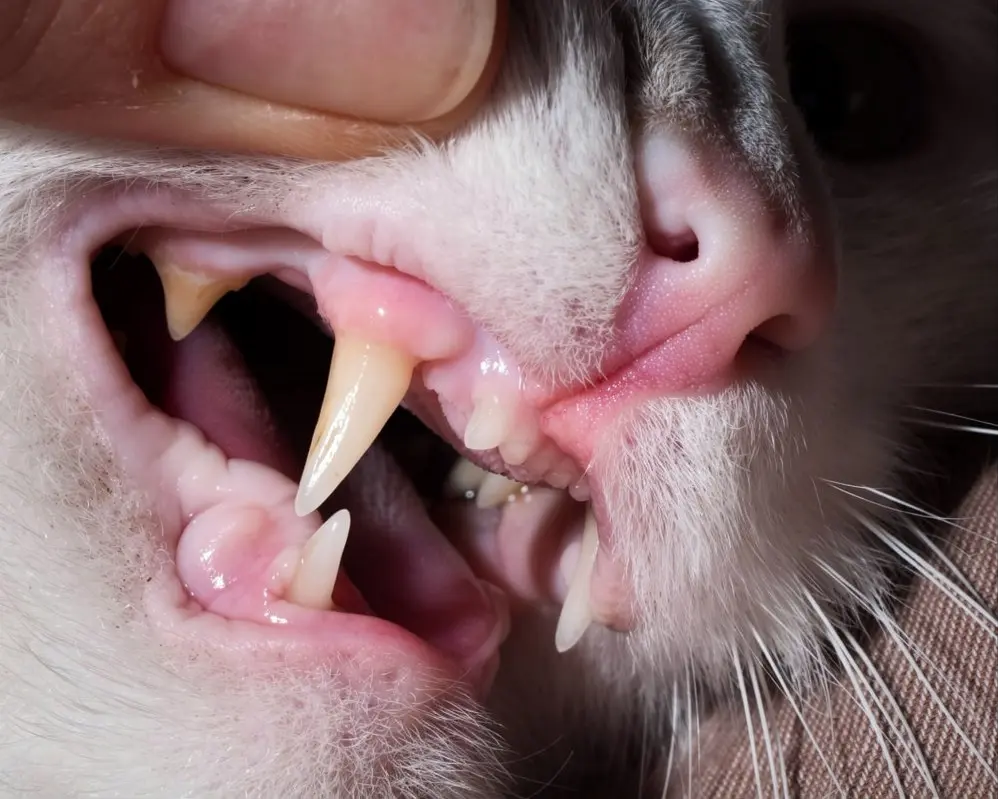
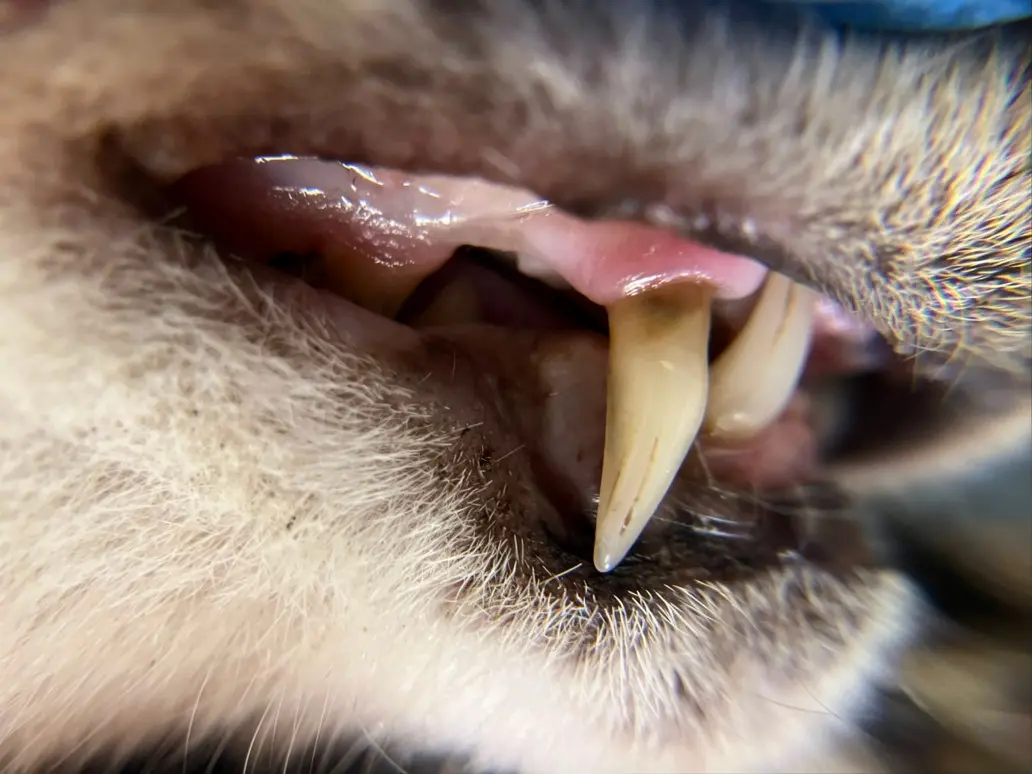
Healthy cat gums should be pink (or pigmented in dark-coated cats), moist, and smooth. Color should return within 1-2 seconds after gentle pressure (capillary refill time).

What causes anemia in cats with pale gums?

Anemia causes include blood loss (trauma, parasites), hemolysis (immune-mediated, toxins), or decreased production (kidney disease, bone marrow disorders). Veterinary testing is essential.

Can dehydration cause pale gums in cats?

Severe dehydration can reduce peripheral circulation, causing pale or tacky gums. However, pale gums more commonly indicate anemia or shock requiring immediate investigation.