Understand your pet’s symptoms through clinically-grounded AI assessment. Get objective guidance to determine urgency and prepare for your veterinary visit.
Ocular discharge in dogs and cats ranges from benign physiological responses to indicators of underlying pathology. The consistency, color, and volume of discharge provide critical diagnostic clues about corneal health, tear film stability, and potential infectious processes.
While many causes are manageable, eye symptoms require careful monitoring. Objective triage helps distinguish between self-limiting conditions and those requiring prompt intervention. Veterinary AI provides structured clinical assessment without replacing professional diagnosis.
Understanding potential causes helps guide your next steps.
Dust, pollen, or smoke cause transient clear discharge without other signs
Inflammation of the conjunctiva with red eyes and variable discharge
Painful abrasions cause squinting, tearing, and light sensitivity
Congenital or acquired obstruction causes chronic watery discharge
Increased ocular pressure with redness and pain requires emergency care
Viral infection causes recurrent conjunctivitis and respiratory signs
If your pet has eye discharge and you're uncertain about the severity, take informed action. Veterinary AI delivers real-time clinical triage tailored to your pet's specific presentation—helping you distinguish between benign causes and signs requiring urgent care with clarity and confidence.
Support your pet's comfort while maintaining accurate clinical observation for veterinary consultation.
Observe Without Touching
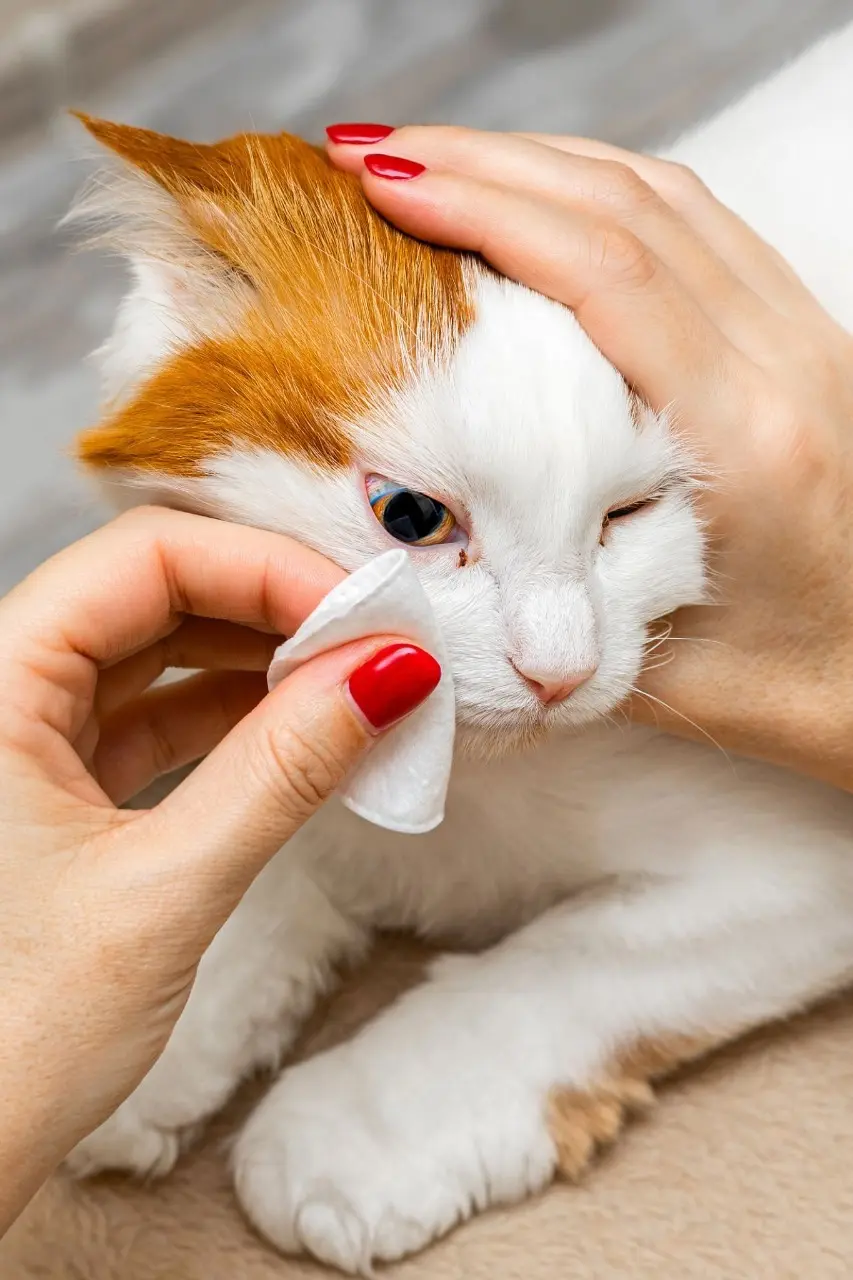
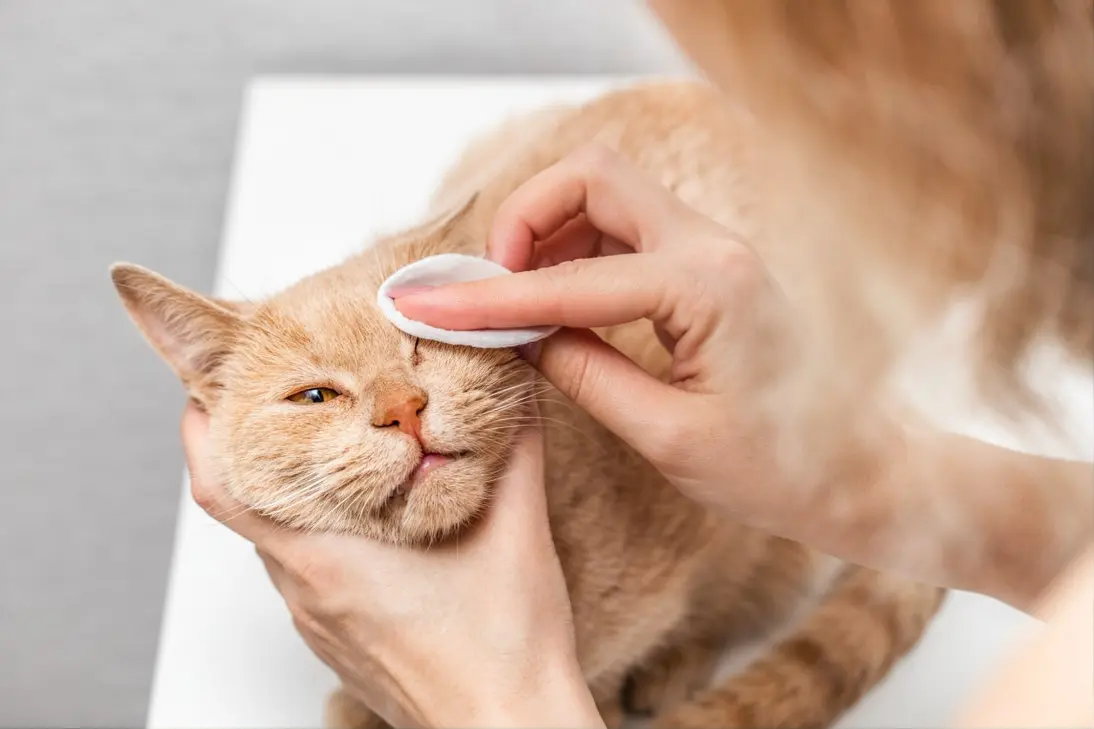
Monitor discharge frequency and appearance without manipulating the eye to prevent injury
Maintain Hydration
Ensure fresh water availability to support tear production and overall systemic health
Reduce Environmental Triggers
Minimize exposure to smoke, dust, and strong cleaning products temporarily
Prevent Paw Rubbing
Use an Elizabethan collar to prevent self-trauma while awaiting veterinary assessment
Record Symptoms
Document onset time, discharge changes, and behavioral responses for your veterinary consultation
Keep Calm
Your anxiety affects your pet; maintain routine feeding and gentle interaction
✦ Home care measures do not replace veterinary examination. If symptoms worsen or new signs emerge, seek immediate professional attention. Veterinary AI provides real-time guidance to help you monitor and document your pet's condition effectively.
TESTIMONIALS
Timely, clinically-grounded support for every stage of your dog's eye discharge assessment
When your dog has eye discharge and you cannot determine whether it is a minor irritation or a condition requiring urgent veterinary attention.
If discharge persists beyond 24 hours, changes color, or your dog shows squinting, paw rubbing, or light sensitivity; these may indicate corneal involvement or infection.
When you need clinically-grounded guidance to prepare questions and documentation (discharge characteristics, onset, behavioral changes) for your veterinary consultation.
💡 Always trust your instincts. If you're concerned about your dog's eye discharge, Veterinary AI provides immediate, evidence-based assessment; but never delays seeking emergency care when your dog shows eye bulging, sudden vision loss, or severe swelling.
Red flags that require urgent veterinary attention — and how Veterinary AI supports each critical decision when your dog shows concerning eye discharge.
Eye Bulging or Protrusion
Instant Risk Scoring flags glaucoma or orbital emergency — immediate evaluation required
Sudden Vision Loss or Disorientation
Risk Scoring identifies potential retinal detachment or neurological involvement — prompts immediate referral
Cloudy or Bloodshot Eye with Severe Swelling
Urgency Level Assessment provides real-time escalation pathways for uveitis or acute glaucoma
Visible Foreign Body or Penetrating Injury
Urgency Assessment evaluates trauma severity — prompts immediate ER contact for corneal or globe injury
Change in Pupil Size or Response to Light
Exportable Report compiles neurologic and ocular findings for immediate ER handover
Accompanying Neurological Signs or Collapse
Exportable Report documents systemic and ocular signs for immediate veterinary review
🚨 If your dog shows any of these red flags alongside eye discharge, do not delay — seek emergency care immediately. Veterinary AI helps you prepare for emergency care while generating a clinical summary report for your veterinarian — but immediate veterinary attention is essential.
Flexible, cancel anytime
Best value for your pet
Just €7.58/month
Thanks for your interest in Veterinary AI. We'll notify you as soon as your AI consultation is ready. Check your email for confirmation.
More and more pet owners trust Veterinary AI for their pet's health. Get instant AI consultations, track medical records, set vaccine reminders, and access expert guidance — all from your phone. No waiting rooms, no appointments. Start now.
Everything you need to know about eye discharge in dogs and cats, and how Veterinary AI can help. Can't find what you're looking for?
Start Symptom AssessmentGreen or yellow discharge typically indicates bacterial infection or inflammation requiring veterinary evaluation and appropriate treatment.
Never use human eye drops without veterinary guidance. Many contain ingredients toxic to cats and may worsen underlying conditions.
Not necessarily. Persistent clear discharge can indicate allergies, blocked tear ducts, or early viral infections requiring professional assessment.
Seek evaluation within 24 hours for colored discharge, squinting, or rubbing. Immediate emergency care if you observe bulging, severe swelling, or behavior changes.
Some mild cases may improve, but many conditions require treatment. Delayed care can lead to complications including vision loss.