Cat Fleas: AI-Powered Clinical Triage

Get instant, evidence-based guidance to assess your cat’s flea infestation. Veterinary AI helps you determine urgency, manage symptoms, and prepare for your in-person veterinary visit without replacing professional care.

VETERINARY AI FOR PET OWNERS

Understanding Flea Infestation in Cats: When to Observe, When to Act

Flea infestations (Ctenocephalides felis) are the most common ectoparasitic condition in cats, causing intense pruritus, dermatitis, and anemia in severe cases. Flea saliva triggers allergic reactions, while blood loss can compromise kittens and elderly cats.

While fleas are rarely immediately life-threatening, the accompanying scratching can cause self-trauma, secondary infections, and tapeworm transmission. Objective triage helps you distinguish between routine infestation and complications requiring urgent veterinary intervention.

Veterinary AI

Assess your cat's flea symptoms with clinical precision

Common Causes of Cat Fleas

Flea infestations arise from several interrelated factors, listed from mild to severe.

Environmental Contamination

Flea eggs, larvae, and pupae persist in carpets, bedding, and upholstery; reproduction is rapid.

Contact with Infested Animals

Direct transmission from other infested cats, dogs, or wildlife; fleas move readily between hosts.

Outdoor Access

Outdoor cats encounter fleas in yards, parks, and other contaminated environments; higher exposure risk.

Cat showing signs of fleas including excessive scratching, red bumps, and flea dirt requiring clinical assessment

Inconsistent Parasite Prevention

Gaps in monthly flea control allow infestations to establish; all household pets require consistent prevention.

Warm and Humid Conditions

Fleas thrive in temperatures of 70–85°F with high humidity; seasonal outbreaks are common.

Wildlife Proximity

Raccoons, opossums, and stray animals introduce fleas into your cat's environment; reinfestation risk is high.

This list represents common predisposing factors for Ctenocephalides felis infestation but does not constitute a complete diagnosis. Persistent scratching, flea dirt, or skin lesions warrants veterinary evaluation, including flea combing and dermatologic examination to confirm fleas and rule out flea allergy dermatitis or secondary infections. Fleas are highly contagious to other cats and dogs and can transmit tapeworms. Do not apply over-the-counter flea products without veterinary guidance; many contain pyrethrins toxic to cats. Veterinary AI provides real-time clinical triage tailored to feline flea symptoms, helping you distinguish between mild infestations and complications requiring prompt veterinary attention with clarity and confidence.

+0
Symptoms analyzed
by pet owners worldwide
+0
Pet owners trusting
AI for their pet's health
0/7
Available anytime
even at 2AM emergencies

Safe Home Care & Monitoring Guidelines

Non-invasive, medically safe measures to support your cat and monitor for flea infestation

Use a Flea Comb Daily

Gently comb your cat's fur to remove adult fleas and debris; have soapy water ready to trap fleas; focus on lower back, neck, and tail base

Inspect Skin and Fur Regularly

Part fur to check for flea dirt, redness, hair loss, or signs of secondary infection; monitor for pale gums indicating anemia

Thorough Environmental Cleaning

Vacuum carpets, furniture, and pet bedding daily; wash bedding in hot water; discard vacuum bags immediately to prevent reinfestation

Wash Bedding and Soft Surfaces

Launder all pet bedding, blankets, and washable toys in hot water with detergent to kill eggs, larvae, and adult fleas

Avoid Over-the-Counter Flea Products

Do not apply OTC flea products without veterinary guidance; many contain pyrethrins or permethrins that are highly toxic to cats

Monitor Appetite and Energy Levels

Document any changes in eating, drinking, or activity level; pale gums or weakness may indicate flea anemia requiring veterinary attention

These guidelines are supportive measures only. Fleas are highly contagious to other cats and dogs and can transmit tapeworms. Do not apply over-the-counter flea products without veterinary guidance; many contain pyrethrins or permethrins that are toxic to cats. Any cat with pale or white gums, severe lethargy, weakness, collapse, or signs of systemic illness requires immediate veterinary assessment.

TESTIMONIALS

OPYNIO Reviews Cat Fleas Symptoms

When Can Veterinary AI Help You and Your Cat?

Timely, clinically-grounded support for every stage of your cat's flea infestation assessment

Unsure About Severity?

When your cat shows flea symptoms (excessive scratching, flea dirt, red bumps, hair loss) and you cannot determine whether it signals a mild infestation or one that requires prompt treatment to prevent complications, transmission, or flea-borne disease.

Persistent or Escalating?

If your cat's scratching or skin lesions worsen, or if you notice pale gums, severe lethargy, weakness, vomiting, diarrhea, or signs of flea anemia; these may indicate complications requiring urgent veterinary care.

Pre-Visit Preparation?

When you need clinically grounded, exportable guidance to maximize the effectiveness of your upcoming veterinary consultation; including a structured clinical summary documenting scratching patterns, skin lesions, and other observations.

💡 Always trust your instincts. If you are concerned about your cat's flea infestation, Veterinary AI provides immediate, evidence-based assessment; but never delays seeking care when your cat shows pale or white gums, severe lethargy, weakness, collapse, or signs of systemic illness. Fleas are highly contagious to other cats and dogs and can transmit tapeworms. Do not apply over-the-counter flea products without veterinary guidance; many contain pyrethrins or permethrins that are toxic to cats.

When to Seek Immediate Emergency Care

While fleas are rarely immediately life-threatening, these warning signs require prompt veterinary attention, supported by Veterinary AI's core tools when your cat shows flea symptoms and related signs.

Severe flea infestation in cats requiring prompt veterinary care showing anemia, skin lesions, and systemic signs
🔄 Instant Symptom Analysis & Risk Scoring

Pale or white gums (indicating flea anemia) is flagged as high concern; this may result from severe blood loss, especially in kittens or elderly cats, requiring immediate intervention.

Instant Symptom Analysis & Risk Scoring

Open, oozing wounds or severe secondary skin infection triggers an alert; this may indicate deep pyoderma or flea allergy dermatitis requiring prompt treatment.

🚨 24/7 Smart Triage & Urgency Assessment

Severe lethargy, weakness, or collapse signals a complication; these may indicate severe flea anemia, flea-borne disease (e.g., Bartonella, Mycoplasma), or systemic infection requiring urgent evaluation.

🩸 24/7 Smart Triage & Urgency Assessment

Rapid breathing, difficulty breathing, or tachycardia alongside flea infestation suggests severe anemia or flea-borne disease requiring immediate veterinary assessment.

📄 Exportable Clinical Summary Report

Persistent vomiting, diarrhea, or weight loss (may indicate flea-borne Bartonella or tapeworm infection) requires organized data for your vet; our report consolidates symptom chronology and clinical history for rapid evaluation.

📋 Exportable Clinical Summary Report

Seizures or neurological signs with flea infestation requires comprehensive data; our summary documents all observations, timeline, and flea exposure history to help your veterinarian expedite care.

Any of these signs? Seek prompt care.

Veterinary AI prepares a clinical summary for your veterinarian while you prepare, but prompt veterinary attention is essential for pale gums, severe lethargy, weakness, collapse, or signs of systemic illness. Fleas are highly contagious to other cats and dogs and can transmit tapeworms. Do not apply over-the-counter flea products without veterinary guidance; many contain pyrethrins or permethrins that are toxic to cats.

Start Flea Symptom Assessment

Monthly

Flexible, cancel anytime

€9.99 /month
AI symptom assessment
Emergency guidance 24/7
Preventive care reminders
Wellness monitoring
Breed-specific health tips
Unlimited conversations
Start monthly plan
SAVE 24%

Annual

Best value for your pet

€90.99 /year

Just €7.58/month

AI symptom assessment
Emergency guidance 24/7
Preventive care reminders
Wellness monitoring
Breed-specific health tips
Priority support
Start annual plan
Veterinary AI provides clinical triage support and educational information; it does not constitute a diagnosis, treatment plan, or substitute for professional, in-person veterinary care.

By submitting you agree to our Privacy Policy

Veterinary AI

AI-Powered Pet Care 24/7

More and more pet owners trust Veterinary AI for their pet's health. Get instant AI consultations, track medical records, set vaccine reminders, and access expert guidance — all from your phone. No waiting rooms, no appointments. Start now.
FAQ

Frequently Asked
Questions

Everything you need to know about cat fleas and how Veterinary AI can help. Can't find what you're looking for?

Start Flea Symptom Assessment

What are the signs of fleas on cats?

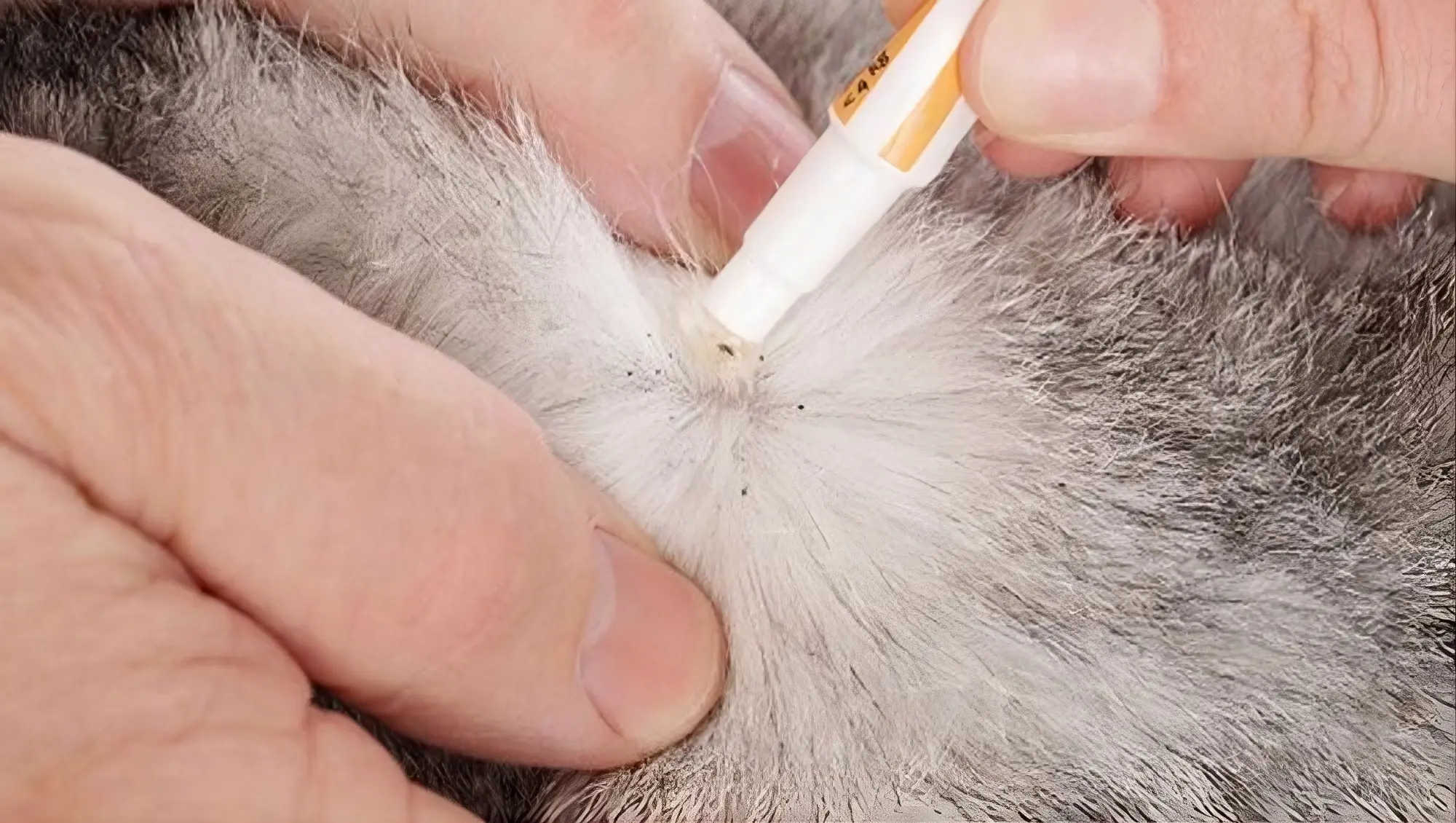
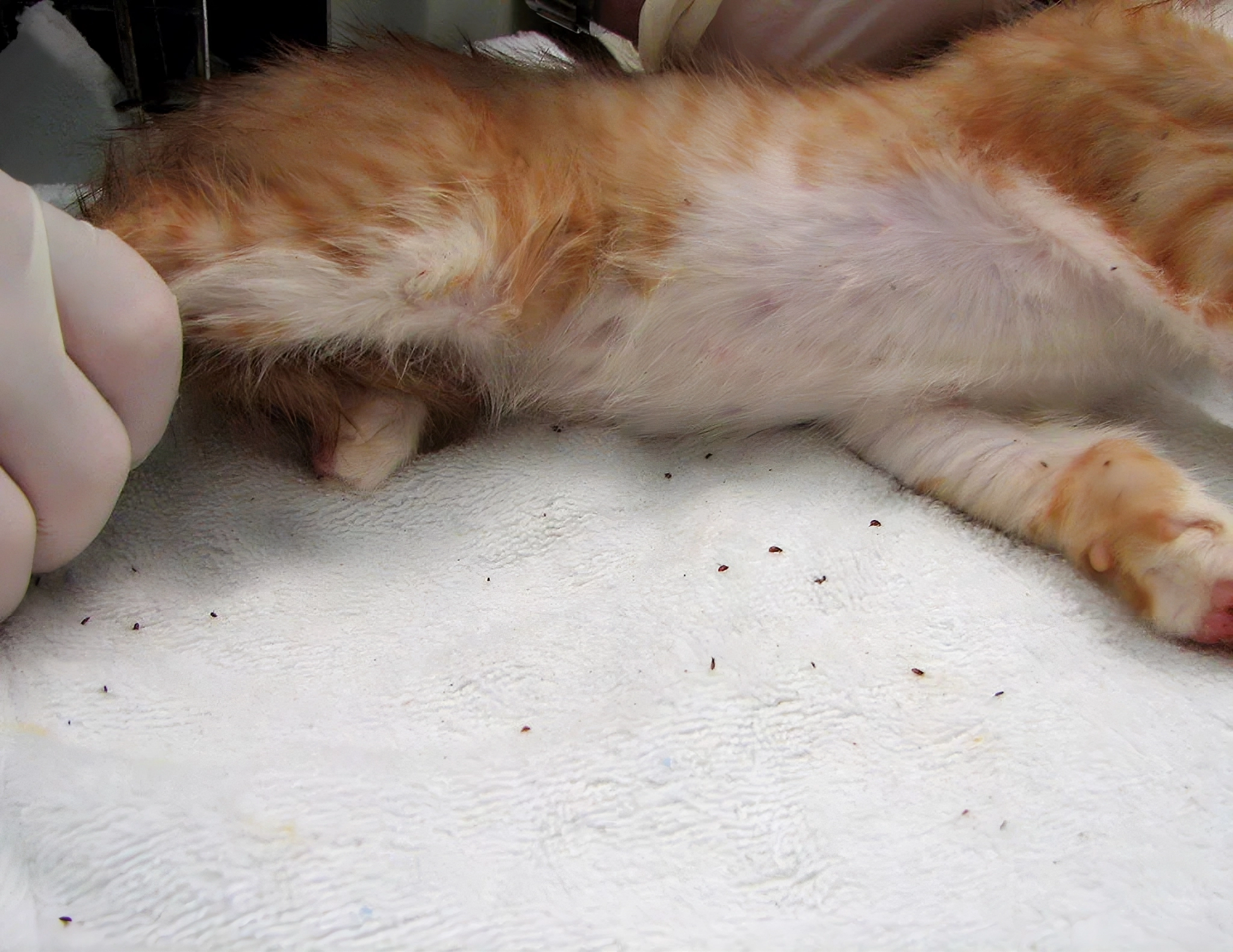
Signs include excessive scratching, biting, hair loss, red bumps (papules), and small black specks (flea dirt) on the skin, especially on the lower back, neck, and tail base.

Can cat fleas spread to humans?

Cat fleas (Ctenocephalides felis) can bite humans and cause temporary skin irritation but do not establish long-term infestations on people.

How are fleas on cats diagnosed?

Diagnosis is made via flea combing to collect adult fleas or flea dirt, dermatologic examination to assess skin lesions, and sometimes fecal examination to rule out tapeworm infection.

Are fleas dangerous to cats?

Fleas can cause severe itching, anemia (especially in kittens), skin infections, and transmit tapeworms and Bartonella (cat scratch disease). Prompt treatment is essential.

How long does it take to get rid of fleas on cats?

With prescription flea control and environmental cleaning, adult fleas die within 24-48 hours. Complete elimination of all life stages typically takes 3-4 months.