Veterinary AI provides objective, evidence-based guidance to help you assess your cat’s ear scratching. This supports, but never replaces, your in-person veterinary examination.
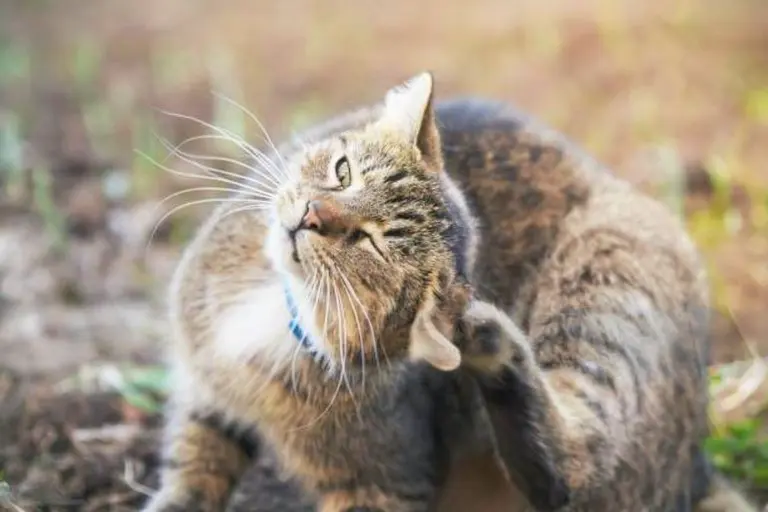
Ear scratching in cats often indicates underlying pruritus originating from the ear canal or pinna. Unlike dogs, feline ear conditions frequently involve allergic disease, parasitic infestation, or infectious processes requiring accurate differentiation. Persistent scratching may compromise the ear pinna’s integrity.
While occasional scratching is normal, persistent or aggressive episodes signal pathology requiring evaluation. Avoid panic, but recognize that early intervention prevents secondary trauma (hematomas, abrasions) and chronic discomfort. Veterinary AI offers structured monitoring to clarify when home care is sufficient versus when veterinary assessment becomes urgent.
Understanding these potential causes helps you identify ear concerns early and seek appropriate veterinary care.
Ear Mites (Otodectes cynotis)
Highly contagious parasitic infestation causing intense itching and dark, crumbly (coffee-ground) discharge
Allergic Dermatitis
Environmental or food allergies triggering inflammation and pruritus affecting the ear pinnae and canals
Bacterial Infection (Otitis Externa)
Secondary bacterial overgrowth causing purulent discharge, odor, and painful inflammation of the ear canal
Fungal Infection (Malassezia)
Yeast overgrowth producing waxy, brownish discharge and pronounced odor with persistent scratching
Foreign Body or Trauma
Grass awns, plant material, or scratch wounds causing localized irritation and secondary inflammation
Ear Polyps or Neoplasia
Benign or malignant growths within the ear canal causing chronic inflammation, discharge, and discomfort
✦ If your cat is scratching ears excessively, especially with discharge or head shaking, early detection is critical. Veterinary AI provides real-time clinical triage tailored to feline-specific ear risks; helping you distinguish between benign causes and conditions requiring prompt veterinary evaluation with clarity and confidence.
Non-invasive, medically safe measures to support your cat and monitor for ear-related changes
Scratching Frequency Observation
Observe scratching frequency and intensity every 4-6 hours; note any worsening or improvement in behavior
Ear Canal and Pinna Inspection
Gently inspect the outer ear (pinna) for redness, swelling, abrasions, or discharge without inserting anything into the ear canal
Head Shaking and Balance Monitoring
Monitor for head shaking, head tilt, or balance issues that may indicate middle or inner ear involvement
Discharge and Odor Documentation
Note color, consistency, and quantity of any discharge; document changes in odor (yeasty, foul, or mild)
Appetite and Behavior Assessment
Monitor appetite, water intake, and litter box usage; decreased intake may signal pain or systemic illness
Clinical Summary Preparation
Document onset, scratching frequency, discharge characteristics, odor, head shaking, and any behavioral changes for your veterinarian
⚠ These are supportive measures only. They do not replace professional veterinary assessment or treatment. Always consult your veterinarian for definitive guidance.
TESTIMONIALS
Timely, clinically-grounded support for every stage of your cat's ear scratching assessment
When your cat is scratching ears excessively and you cannot determine if it's ear mites, an allergic reaction, a bacterial or yeast infection, or a more serious condition like polyps or foreign body requiring veterinary attention.
If your cat's scratching persists beyond 48 hours, is accompanied by discharge, odor, head shaking, or signs of pain, or if your cat develops head tilt or balance issues indicating middle or inner ear involvement.
When you need clinically-grounded guidance while preparing the exact history (onset, scratching frequency, discharge characteristics, odor, head shaking, and all clinical observations) your veterinarian needs for otoscopic examination and appropriate diagnostic testing.
💡 Always trust your instincts. If you are concerned about your cat's ear scratching, Veterinary AI provides immediate, evidence-based assessment; but never delays seeking emergency care when your cat shows signs of severe pain, head tilt, balance issues, facial paralysis, or systemic illness such as anorexia or lethargy.
These warning signs require urgent action, supported by Veterinary AI's core tools.
Severe head tilt or loss of balance (ataxia) accompanying ear scratching is flagged as a critical emergency; this may indicate middle or inner ear involvement, vestibular disease, or neurological compromise requiring immediate evaluation.
Facial paralysis or eyelid droop on the affected side triggers a critical alert; this indicates potential middle ear disease, nerve damage, or mass effect requiring immediate neurological and otoscopic evaluation.
Purulent (pus-like) or bloody discharge with intense odor and severe pain on palpation signals a critical condition requiring immediate antibiotic therapy and diagnostic investigation.
Swelling or heat of the ear flap (pinna) with progressive redness indicates severe inflammation, possible abscess, or hematoma formation requiring urgent drainage and medical management.
Anorexia, lethargy, or vomiting (signs of systemic illness) accompanying ear symptoms requires organized data for your vet; our report consolidates all clinical observations, discharge characteristics, and timeline.
Rapidly expanding swelling of the ear flap (aural hematoma) requires immediate drainage and management; our summary helps your vet determine the surgical approach with comprehensive clinical data.
Any of these signs? Do not wait.
Veterinary AI prepares a clinical summary for your veterinarian while you travel, but immediate emergency veterinary attention is essential for severe ear conditions, head tilt, facial paralysis, or signs of systemic illness in cats.
Flexible, cancel anytime
Best value for your pet
Just €7.58/month
Thanks for your interest in Veterinary AI. We'll notify you as soon as your AI consultation is ready. Check your email for confirmation.
More and more pet owners trust Veterinary AI for their pet's health. Get instant AI consultations, track medical records, set vaccine reminders, and access expert guidance — all from your phone. No waiting rooms, no appointments. Start now.
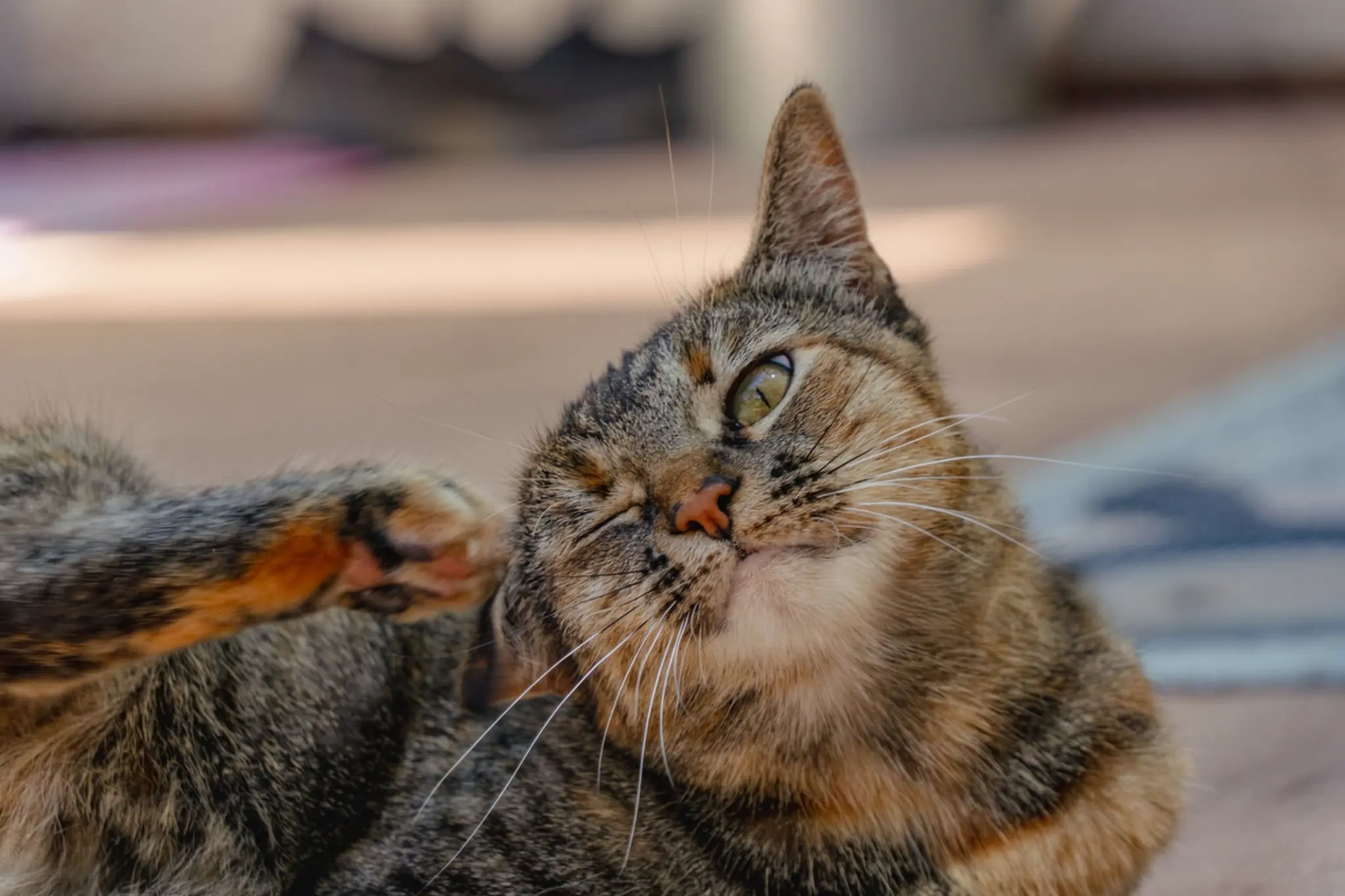
Everything you need to know about cat ear scratching and how Veterinary AI can help. Can't find what you're looking for?
Start Symptom AssessmentCommon causes include ear mites, bacterial or yeast infections, allergies, or foreign bodies. Veterinary evaluation is recommended for accurate diagnosis.
Look for dark brown, crumbly (coffee-ground) discharge, intense itching, and head shaking. A veterinarian can confirm with an otoscopic exam and cytology.
Only with veterinary-approved cleaners and techniques. Never insert cotton swabs or objects into the ear canal, as this can cause injury or worsen infection.
Ear mites are highly contagious. Bacterial and fungal infections are typically not contagious, but underlying allergies can be breed-related, not transmissible.
With appropriate treatment (topical or systemic medications), improvement is often seen within 3-7 days. Complete resolution may take 2-4 weeks depending on severity and underlying cause.