
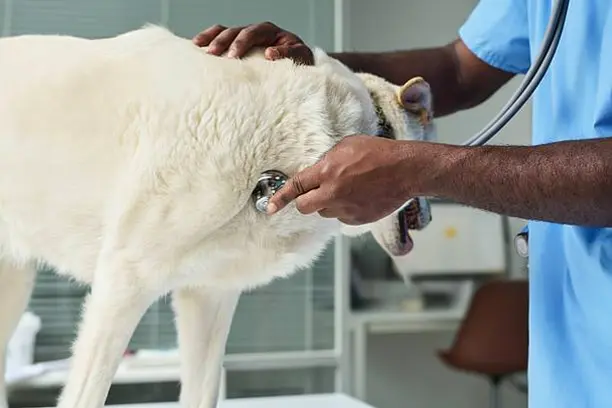
Dog Heart Disease Symptoms: Clinical Triage Support for Your Canine

Veterinary AI provides objective, evidence-based clinical triage for canine cardiac symptoms. We help you assess severity and prepare for your veterinarian with clarity and confidence.

VETERINARY AI FOR PET OWNERS

Understanding Cardiac Symptoms and Heart Disease in Dogs

Cardiac symptoms in dogs are clinically significant; they may indicate valvular disease, cardiomyopathy, or congenital defects. Timely, objective assessment is essential to preserve cardiac function and quality of life.

While heart disease symptoms can be concerning, not all cases are emergencies. However, objective triage is critical; it helps differentiate stable conditions from those requiring immediate veterinary intervention.

Veterinary AI

Assess your dog's cardiac symptoms with clinical precision

Common Causes of Dog Heart Disease Symptoms

Cardiac symptoms in dogs arise from various underlying conditions, from mild to severe.

Valvular Disease

Degenerative changes in heart valves; most common in small breeds, causes murmurs and progressive heart enlargement

Dilated Cardiomyopathy

Enlargement and weakening of heart muscle; common in large breeds, leads to poor pumping function

Hypertrophic Cardiomyopathy

Thickening of heart muscle walls; impairs filling and may cause arrhythmias or sudden death

Congenital Defects

Structural abnormalities present at birth; includes patent ductus arteriosus or septal defects requiring early intervention

Heartworm Disease

Parasitic infection of pulmonary arteries; causes right-sided heart failure and requires specific treatment protocols

Pericardial Disease

Inflammation or fluid accumulation around the heart; restricts filling and may require emergency intervention

If your dog is showing heart disease symptoms and you're uncertain about the severity, take informed action. Veterinary AI delivers real-time clinical triage tailored to your pet's specific presentation, helping you distinguish between stable cardiac conditions and signs requiring immediate evaluation for heart failure or cardiac emergencies with clarity and confidence.

+0
Symptoms analyzed
by pet owners worldwide
+0
Pet owners trusting
AI for their pet's health
0/7
Available anytime
even at 2AM emergencies

Safe Home Care & Monitoring Guidelines

These non-invasive actions help you gather critical clinical data while ensuring your dog's safety.

Dog resting at home while its owner monitors breathing rate and heart disease symptoms
Home monitoring

Monitor resting respiratory rate

Count breaths per minute while your dog is sleeping — normal is 15 to 30 breaths per minute.

Track coughing episodes

Note frequency, timing (nighttime, after exercise), and any triggers you can identify.

Observe exercise tolerance

Note any change in willingness to walk, play, or climb stairs.

Check gum color daily

Pink is normal; pale or blue indicates poor oxygenation and requires immediate attention.

Monitor appetite and water intake

Decreased appetite or increased thirst may indicate worsening heart failure.

Document everything in the Veterinary AI journal

Record onset, progression, and any accompanying clinical signs for your veterinarian.

Home monitoring supports your veterinarian's work; it does not replace it. If breathing rate stays above 30 breaths per minute at rest, or gums turn pale or blue, seek veterinary care immediately.

TESTIMONIALS

OPYNIO Reviews Dog Heart Disease Symptoms

When Can Veterinary AI Help You and Your Dog?

Veterinary AI provides clinical clarity at key moments in your dog’s cardiac health journey.

When your dog shows heart disease symptoms and you're unsure of the severity — Veterinary AI delivers real-time clinical triage tailored to your pet's specific presentation, helping you distinguish between stable cardiac conditions and signs of heart failure or cardiac emergencies requiring immediate attention with clarity and confidence.
If cardiac symptoms persist for more than 24-48 hours, or your dog shows worsening cough, rapid breathing, weakness, or collapse — Veterinary AI helps you assess urgency and compile a clinical timeline for your veterinarian, distinguishing between stable conditions and signs requiring immediate emergency attention with clarity and confidence.
When you need clinically-grounded guidance before your veterinary visit — Veterinary AI delivers an exportable clinical summary with structured data including onset, progression, coughing frequency, respiratory rate, exercise tolerance, and accompanying signs, helping you prepare for a productive, informed consultation with your veterinarian.

💡 Heart disease symptoms require prompt attention. If your dog shows difficulty breathing at rest, collapse or fainting, pale or blue gums, or abdominal distension, do not wait — seek emergency veterinary care immediately. Veterinary AI provides immediate, evidence-based triage while you prepare for transport to the hospital.

When to Seek Immediate Emergency Care

These signs demand urgent veterinary evaluation. Veterinary AI helps you assess risk in real time.

Dog with heart disease showing laboured breathing at rest, a sign requiring emergency veterinary care

Difficulty breathing at rest with rapid respiratory rate. Instant Symptom Analysis and Risk Scoring flag this as critical and guide your immediate actions toward emergency evaluation.

Pale, gray, or blue gums with cardiac symptoms. Risk Scoring identifies poor oxygenation or shock and prompts an urgent care recommendation.

Collapse or fainting episodes (syncope). Smart Triage assesses cardiac output and recommends immediate emergency transport.

Restlessness, pacing, or inability to lie comfortably. Urgency Level Assessment evaluates signs of heart failure and recommends immediate emergency care.

Distended abdomen or sudden weight gain. The exportable Clinical Summary Report documents signs of fluid accumulation for emergency handover.

Known heart disease with sudden worsening of symptoms. The Clinical Summary Report captures objective data and provides a structured handoff for emergency teams.

Any of these signs? Do not wait.

Veterinary AI prepares a clinical summary for your veterinarian while you travel, but immediate veterinary attention is essential.

Start Symptom Assessment

Monthly

Flexible, cancel anytime

€9.99 /month
AI symptom assessment
Emergency guidance 24/7
Preventive care reminders
Wellness monitoring
Breed-specific health tips
Unlimited conversations
Start monthly plan
SAVE 24%

Annual

Best value for your pet

€90.99 /year

Just €7.58/month

AI symptom assessment
Emergency guidance 24/7
Preventive care reminders
Wellness monitoring
Breed-specific health tips
Unlimited conversations
Priority support
Start annual plan

Veterinary AI provides triage support and educational information only. This does not constitute a diagnosis, medical opinion, or treatment plan. Not a substitute for professional, in-person veterinary care, examination, or testing. Always consult a licensed veterinarian for health concerns. In emergencies, seek immediate veterinary attention.
By submitting you agree to our Privacy Policy

Veterinary AI

AI-Powered Pet Care 24/7

More and more pet owners trust Veterinary AI for their pet's health. Get instant AI consultations, track medical records, set vaccine reminders, and access expert guidance — all from your phone. No waiting rooms, no appointments. Start now.

FAQ

Frequently Asked
Questions

Everything you need to know about heart disease symptoms in dogs and how Veterinary AI can help. Can't find what you're looking for?

Start Symptom Assessment

What are common signs of heart disease in dogs?

Common signs include coughing (especially at night), exercise intolerance, rapid breathing, weakness, collapse, and abdominal swelling.

Can heart disease in dogs be treated?

Yes. Many cardiac conditions can be managed with medications, dietary changes, and lifestyle modifications to improve quality of life.

Should I take my dog to the vet for coughing at night?

Yes. Nighttime coughing is a classic sign of heart disease in dogs and requires prompt veterinary evaluation.

What is a normal resting respiratory rate for dogs?

Normal resting respiratory rate is 15-30 breaths per minute; consistently higher rates may indicate heart or lung disease.

Can heart disease cause sudden death in dogs?

Yes. Some cardiac conditions can cause sudden death, especially if undiagnosed or untreated; regular veterinary checkups are essential.