Cat Worms: AI-Powered Clinical Triage

Get instant, evidence-based guidance to assess your cat’s intestinal parasite risk. Veterinary AI helps you determine urgency, manage symptoms, and prepare for your in-person veterinary visit without replacing professional care.

VETERINARY AI FOR PET OWNERS

Understanding Intestinal Worms in Cats: When to Observe, When to Act

Intestinal parasites (roundworms, tapeworms, hookworms, and whipworms) are common in cats, causing malnutrition, weight loss, vomiting, diarrhea, and in severe cases, life-threatening anemia. Kittens and immunocompromised cats are at highest risk.

While many worm infestations are treatable, the accompanying weight loss, gastrointestinal distress, and potential for zoonotic transmission require objective triage. Early detection helps you distinguish between routine parasitic infection and complications requiring urgent veterinary intervention.

Veterinary AI

Assess your cat's worm symptoms with clinical precision

Common Causes of Cat Worms

Intestinal worm infestations arise from several interrelated factors, listed from mild to severe.

Ingestion of Infected Fleas

Tapeworms are transmitted when cats ingest fleas carrying Dipylidium caninum larvae during grooming.

Hunting and Predation

Consumption of infected rodents, birds, or rabbits transmits roundworms (Toxocara) and tapeworms (Taenia).

Ingestion of Contaminated Soil

Hookworms and roundworm eggs survive in soil; cats ingest them during grooming, eating, or digging.

Cat showing signs of intestinal worms including weight loss, pot-bellied appearance, and rice-like segments requiring clinical assessment

Fecal-Oral Transmission

Ingestion of infective eggs from contaminated food, water, or litter boxes spreads roundworms and whipworms.

Transmammary Transmission

Roundworm (Toxocara cati) larvae pass from mother to kittens through milk during nursing.

Environmental Contamination

Worm eggs persist in soil, sand, and outdoor areas for months to years; reinfestation risk is high.

This list represents common predisposing factors for intestinal parasitism but does not constitute a complete diagnosis. Persistent weight loss, vomiting, visible worms, or rice-like segments warrants veterinary evaluation, including fecal flotation and physical examination to identify the specific parasite and rule out complications. Some worms are zoonotic (transmissible to humans), especially roundworms (Toxocara) and hookworms. Do not administer over-the-counter dewormers without veterinary guidance. Veterinary AI provides real-time clinical triage tailored to feline gastrointestinal symptoms, helping you distinguish between manageable infestations and complications requiring prompt veterinary attention with clarity and confidence.

+0
Symptoms analyzed
by pet owners worldwide
+0
Pet owners trusting
AI for their pet's health
0/7
Available anytime
even at 2AM emergencies

Safe Home Care & Monitoring Guidelines

Non-invasive, medically safe measures to support your cat and monitor for intestinal worm symptoms

Monitor Appetite and Weight

Track food intake and body weight weekly; sudden weight loss or decreased appetite may indicate progressive infestation

Observe Stool and Vomitus

Check feces for visible worms, rice-like segments, or blood; note vomiting frequency and any expelled worms

Maintain Strict Hygiene

Clean litter boxes daily; wear gloves when handling feces; wash hands thoroughly with soap and warm water

Prevent Environmental Contamination

Remove feces promptly; clean food and water bowls daily; wash pet bedding in hot water to kill eggs

Administer Flea Control

Treat fleas promptly; tapeworm infection follows flea ingestion; all pets in the household require flea prevention

Avoid Self-Medication

Do NOT administer over-the-counter dewormers without veterinary guidance; improper dosing can be ineffective or harmful

These guidelines are supportive measures only. Some worms are zoonotic (transmissible to humans), especially roundworms (Toxocara) and hookworms. Wear gloves when handling feces and wash hands thoroughly. Do not administer over-the-counter dewormers without veterinary guidance. Any cat with severe lethargy, pale gums, collapse, persistent vomiting, bloody diarrhea, or a distended painful abdomen requires immediate veterinary assessment.

TESTIMONIALS

OPYNIO Reviews Cat Worms Symptoms

When Can Veterinary AI Help You and Your Cat?

Timely, clinically-grounded support for every stage of your cat's worm infestation assessment

Unsure About Severity?

When your cat shows worm symptoms (weight loss, vomiting, visible worms, rice-like segments, pot-bellied appearance) and you cannot determine whether it signals a mild infestation or one that requires prompt treatment to prevent complications, malnutrition, or transmission to humans.

Persistent or Escalating?

If your cat's vomiting, diarrhea, or weight loss worsens, or if you notice pale gums, severe lethargy, weakness, a distended painful abdomen, or blood in stool; these may indicate complications requiring urgent veterinary care.

Pre-Visit Preparation?

When you need clinically grounded, exportable guidance to maximize the effectiveness of your upcoming veterinary consultation; including a structured clinical summary documenting weight changes, stool observations, and other clinical signs.

💡 Always trust your instincts. If you are concerned about your cat's worm infestation, Veterinary AI provides immediate, evidence-based assessment; but never delays seeking care when your cat shows severe lethargy, pale gums, collapse, persistent vomiting, bloody diarrhea, or a distended painful abdomen. Some worms are zoonotic (transmissible to humans), especially roundworms and hookworms. Wear gloves when handling feces and wash hands thoroughly. Do not administer over-the-counter dewormers without veterinary guidance.

When to Seek Immediate Emergency Care

While worm infestations are rarely immediately life-threatening, these warning signs require prompt veterinary attention, supported by Veterinary AI's core tools when your cat shows worm symptoms and related signs.

Severe worm infestation in cats requiring prompt veterinary care showing anemia, intestinal blockage, and systemic signs
🔄 Instant Symptom Analysis & Risk Scoring

Pale or white gums (indicating hookworm anemia) is flagged as high concern; severe blood loss from hookworm infestation can be life-threatening, especially in kittens, requiring immediate intervention.

Instant Symptom Analysis & Risk Scoring

A distended, painful abdomen or failure to pass stool triggers an alert; this may indicate intestinal blockage from heavy roundworm burden requiring prompt surgical or medical management.

🚨 24/7 Smart Triage & Urgency Assessment

Severe lethargy, weakness, or collapse signals a complication; these may indicate severe anemia (hookworms), dehydration, or systemic infection requiring urgent evaluation.

🩸 24/7 Smart Triage & Urgency Assessment

Persistent, projectile vomiting or bloody diarrhea alongside worm symptoms suggests intestinal obstruction, severe parasitism, or hemorrhagic enteritis requiring immediate veterinary assessment.

📄 Exportable Clinical Summary Report

Systemic signs (fever, severe lethargy, collapse) requires organized data for your vet; our report consolidates symptom chronology, weight loss progression, and clinical history for rapid evaluation.

📋 Exportable Clinical Summary Report

Seizures or neurological signs with worm infestation (suggesting larval migration, e.g., Toxocara) requires comprehensive data; our summary documents all observations and timeline to help your veterinarian expedite care.

Any of these signs? Seek prompt care.

Veterinary AI prepares a clinical summary for your veterinarian while you prepare, but prompt veterinary attention is essential for pale gums, severe lethargy, collapse, persistent vomiting, bloody diarrhea, or a distended painful abdomen. Some worms are zoonotic (transmissible to humans), especially roundworms and hookworms. Wear gloves when handling feces and wash hands thoroughly. Do not administer over-the-counter dewormers without veterinary guidance.

Start Worm Symptom Assessment

Monthly

Flexible, cancel anytime

€9.99 /month
AI symptom assessment
Emergency guidance 24/7
Preventive care reminders
Wellness monitoring
Breed-specific health tips
Unlimited conversations
Start monthly plan
SAVE 24%

Annual

Best value for your pet

€90.99 /year

Just €7.58/month

AI symptom assessment
Emergency guidance 24/7
Preventive care reminders
Wellness monitoring
Breed-specific health tips
Priority support
Start annual plan
Veterinary AI provides clinical triage support and educational information; it does not constitute a diagnosis, treatment plan, or substitute for professional, in-person veterinary care.

By submitting you agree to our Privacy Policy

Veterinary AI

AI-Powered Pet Care 24/7

More and more pet owners trust Veterinary AI for their pet's health. Get instant AI consultations, track medical records, set vaccine reminders, and access expert guidance — all from your phone. No waiting rooms, no appointments. Start now.

FAQ

Frequently Asked
Questions

Everything you need to know about cat worms and how Veterinary AI can help. Can't find what you're looking for?

Start Worm Symptom Assessment

What are the signs of worms in cats?

Signs include weight loss, vomiting, diarrhea, visible worms in feces or vomit, rice-like segments around the anus, a pot-bellied appearance, and lethargy.

Can cats transmit worms to humans?

Yes, certain worms (roundworms, hookworms) are zoonotic. Transmission occurs through accidental ingestion of infective eggs from contaminated soil or feces. Proper hygiene is essential.

How do I know if my cat has tapeworms or roundworms?

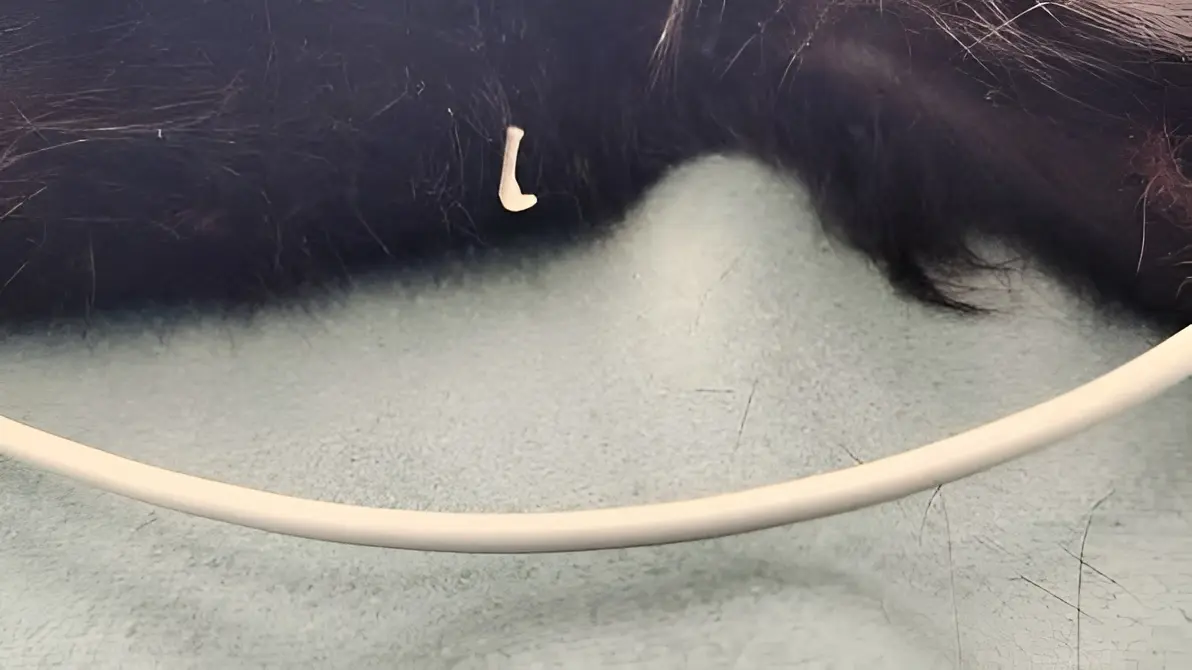
Tapeworms shed rice-like segments around the anus; roundworms appear as spaghetti-like worms in feces or vomit. A veterinary fecal examination confirms the specific parasite.

Are worms dangerous to cats?

Worms cause malnutrition, anemia, intestinal blockages, and can be fatal, especially in kittens. Prompt diagnosis and treatment are essential.

How long does it take to get rid of worms in cats?

With prescription dewormers, adult worms are eliminated within 24-48 hours. Complete clearance may require repeated dosing over several weeks, depending on the parasite.