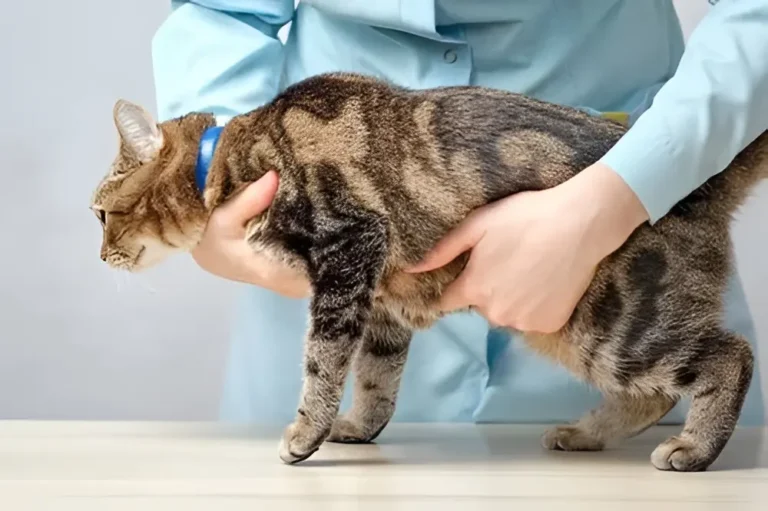
Cats are experts at hiding illness. Find your cat’s symptom, understand the likely causes and see how urgent it is, with clear signs of when your cat needs a vet.
If any of these apply, call your vet or the nearest emergency clinic now.
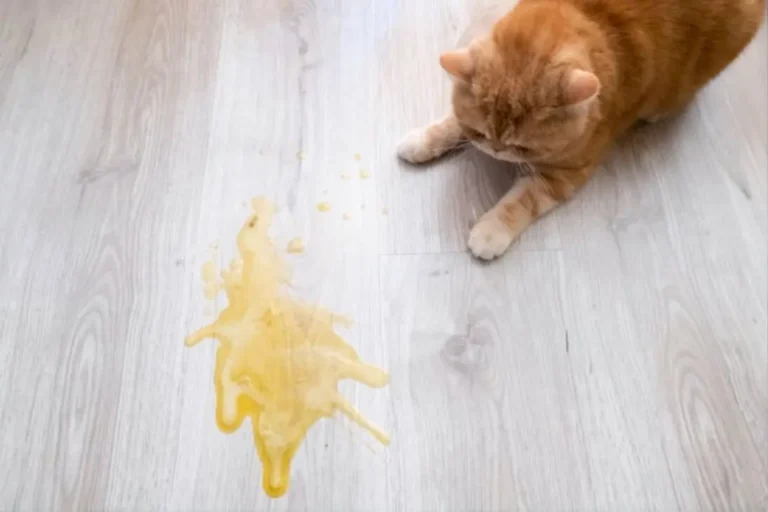
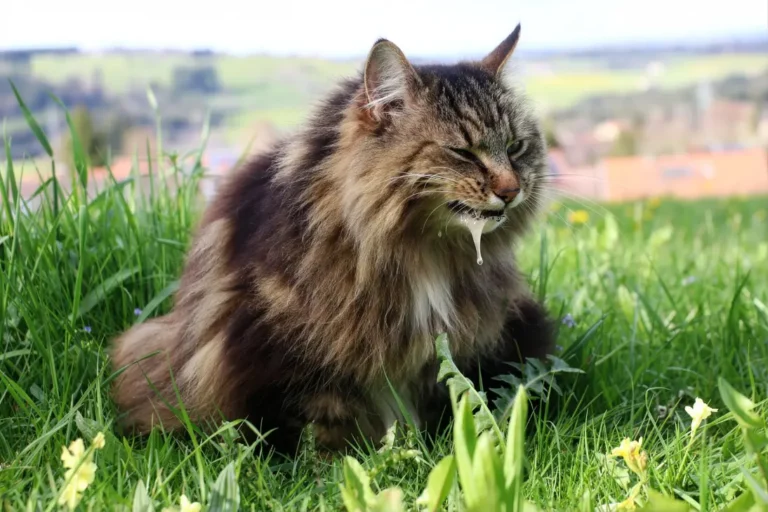
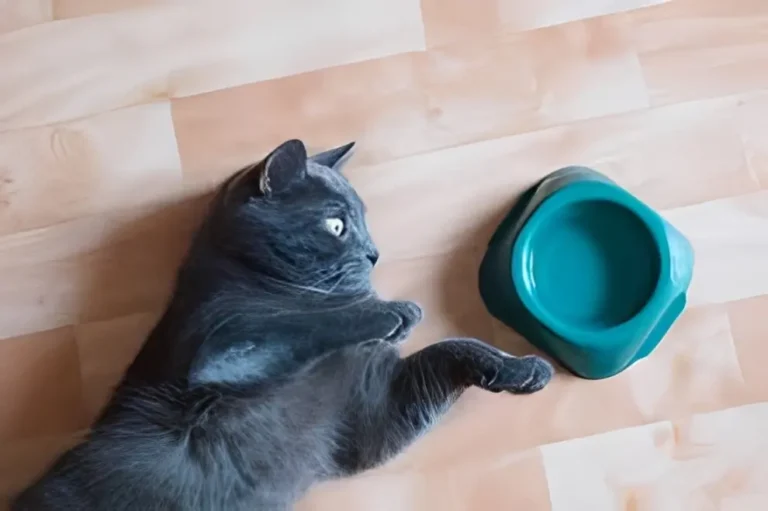
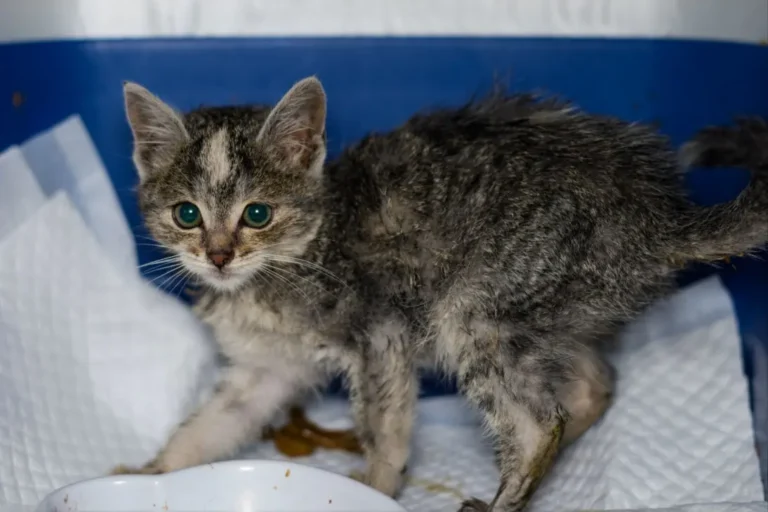
Vomiting, diarrhea, constipation, loss of appetite and things your cat shouldn’t have eaten. A cat that stops eating for more than a day needs a vet.
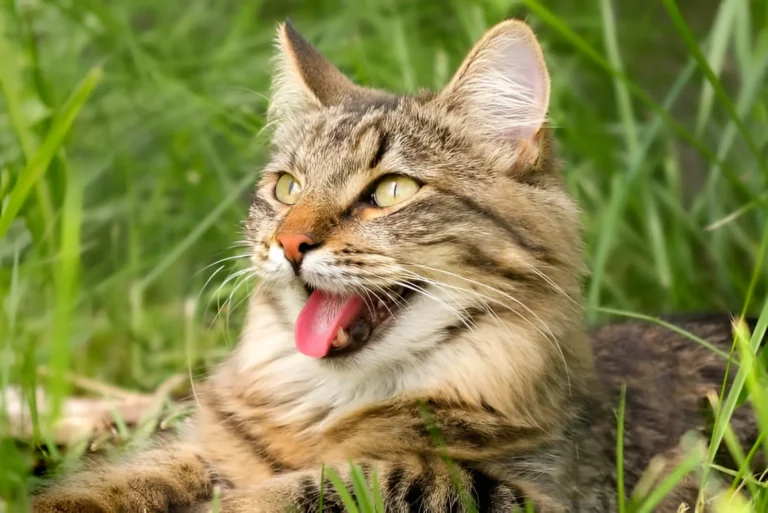
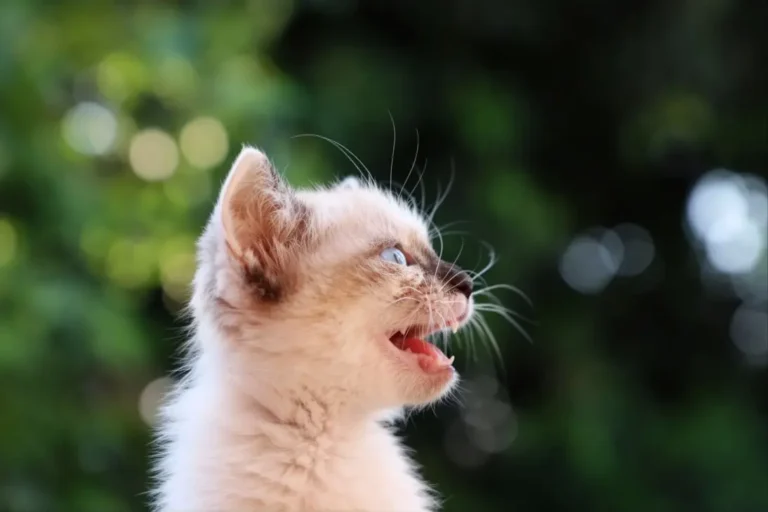
Coughing, wheezing, sneezing, nosebleeds and fast or heavy breathing. Open-mouth breathing in a cat is an emergency.
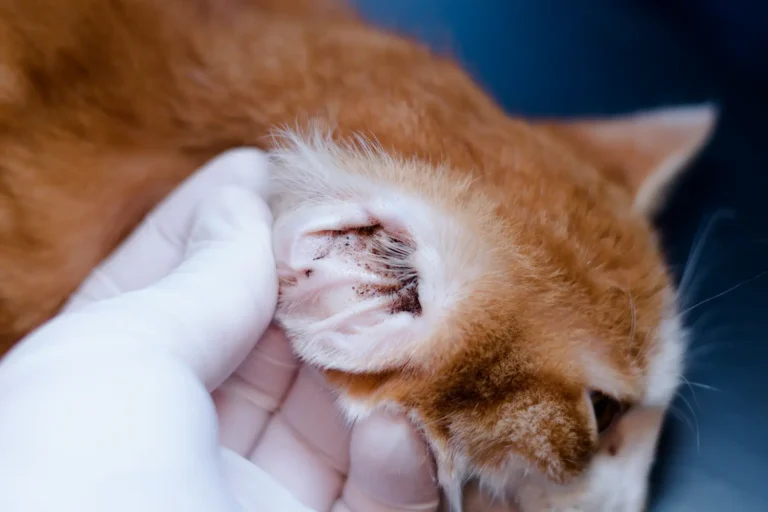
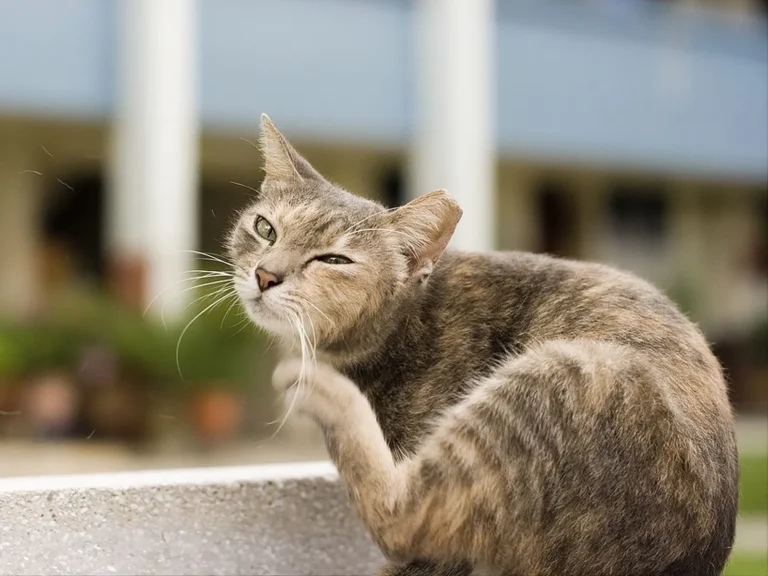
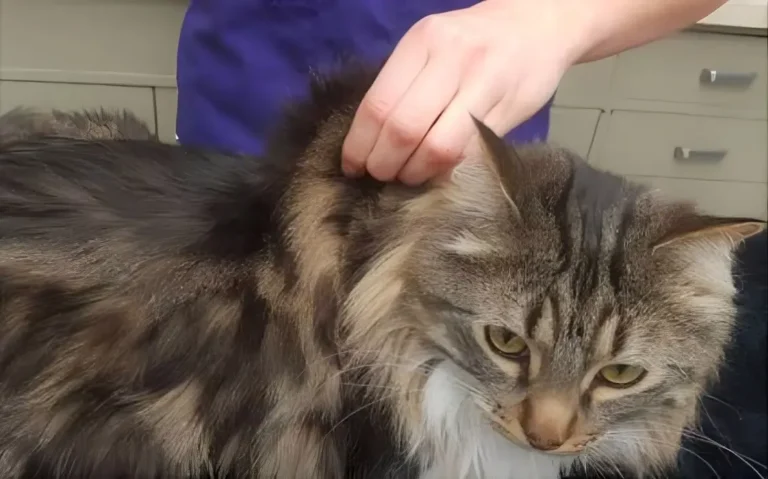
Itching, head shaking, ear mites, hair loss and parasites such as fleas, ringworm and worms.
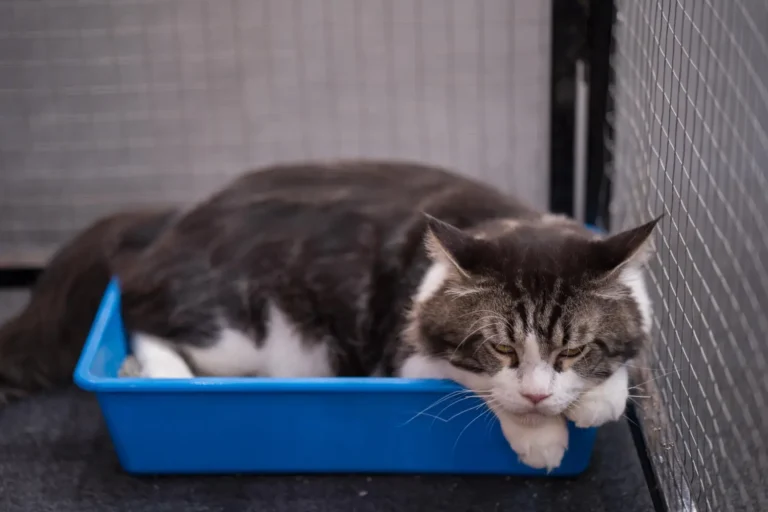
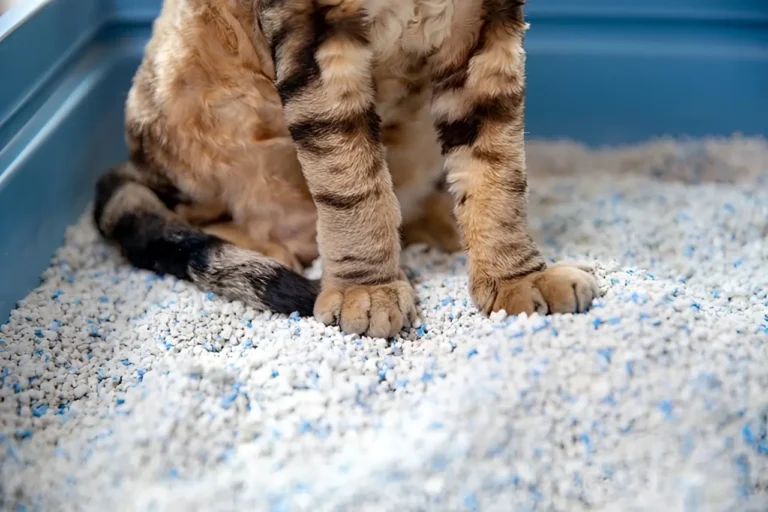
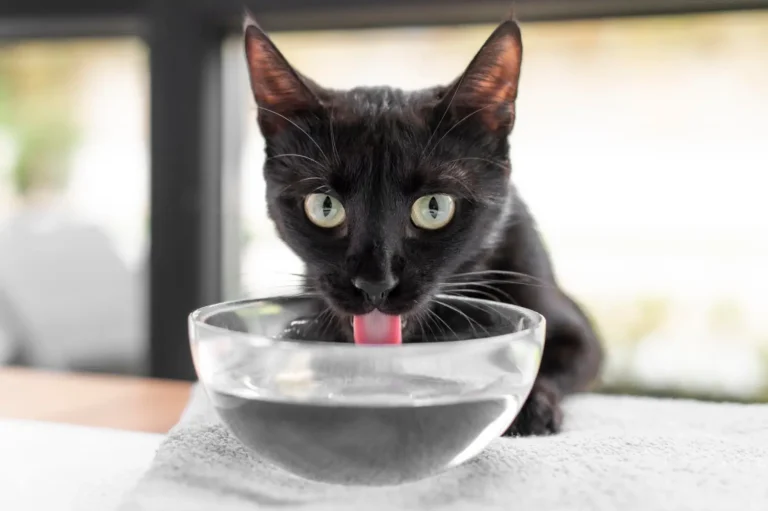
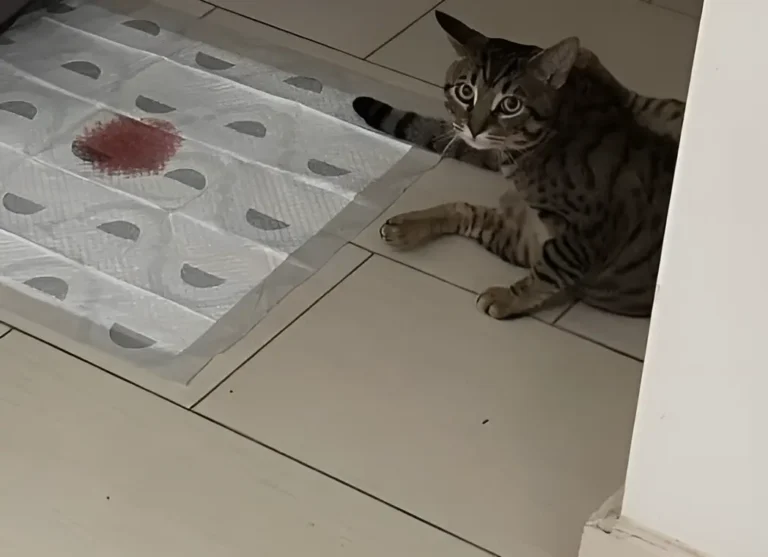
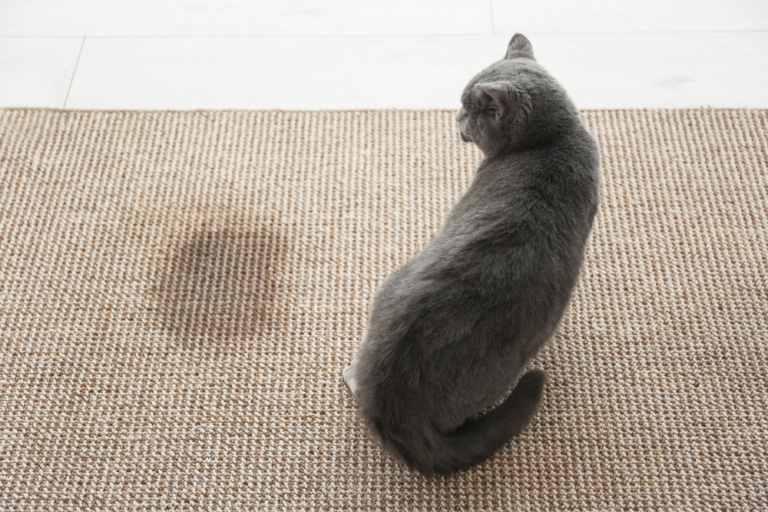
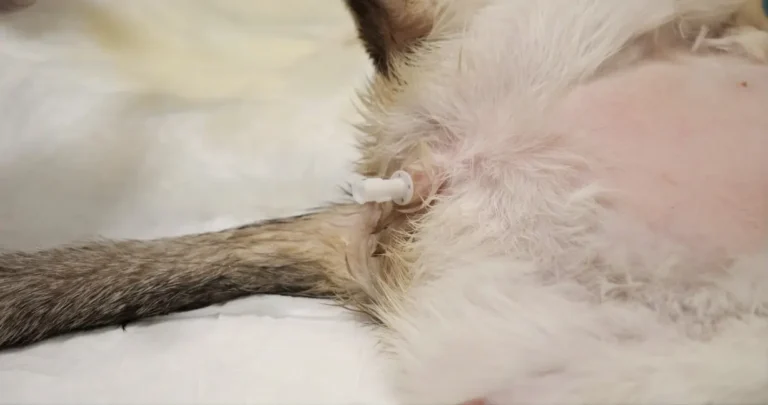
Peeing outside the litter box, blood in the urine, urinary blockage and changes in thirst. A male cat straining to pee is an emergency.
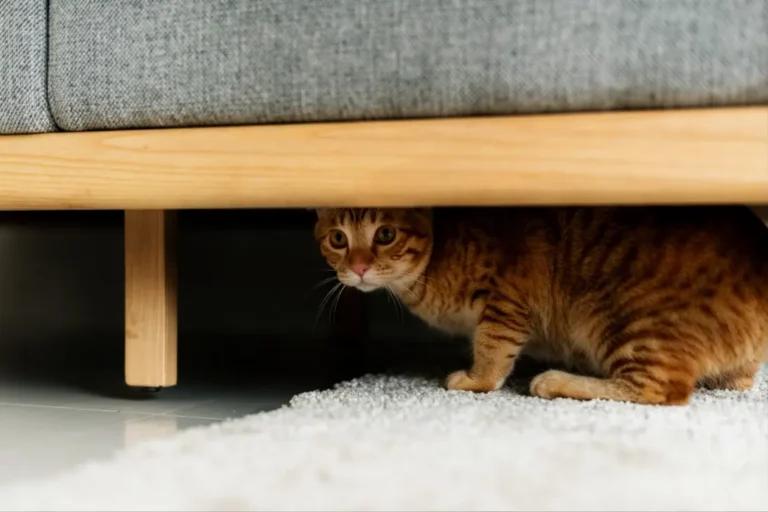
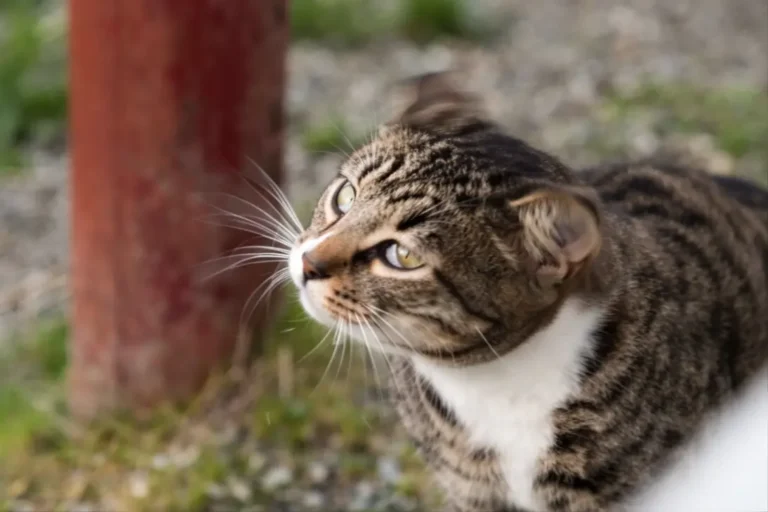
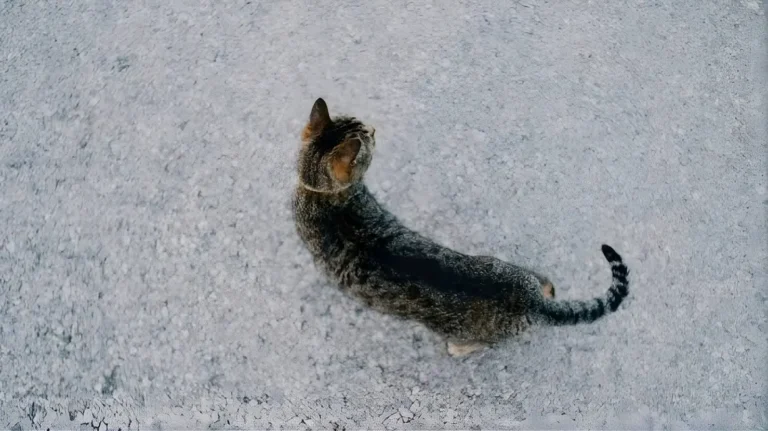
Limping, seizures, head tilting, walking in circles, not moving and sleeping more than usual.
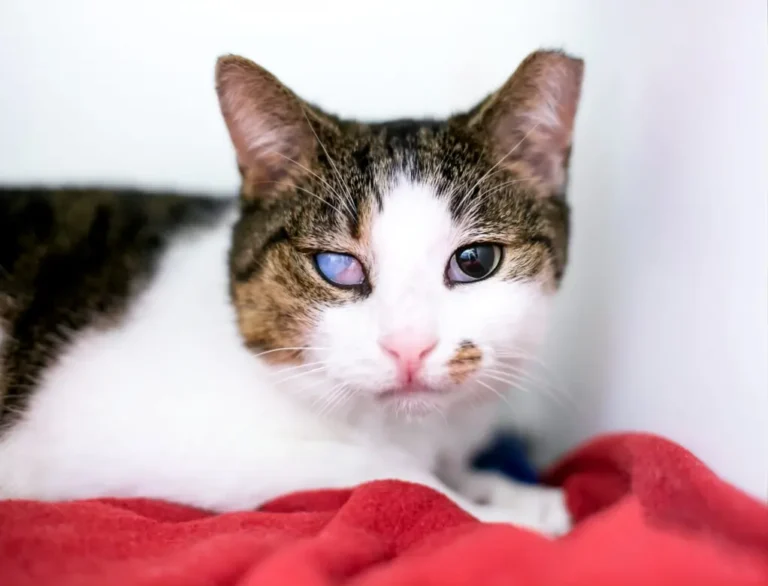
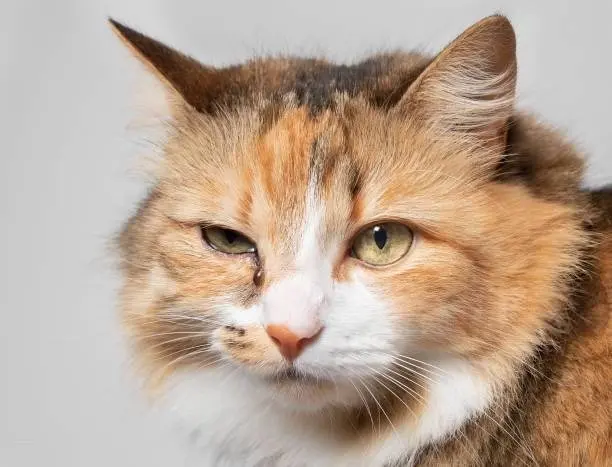
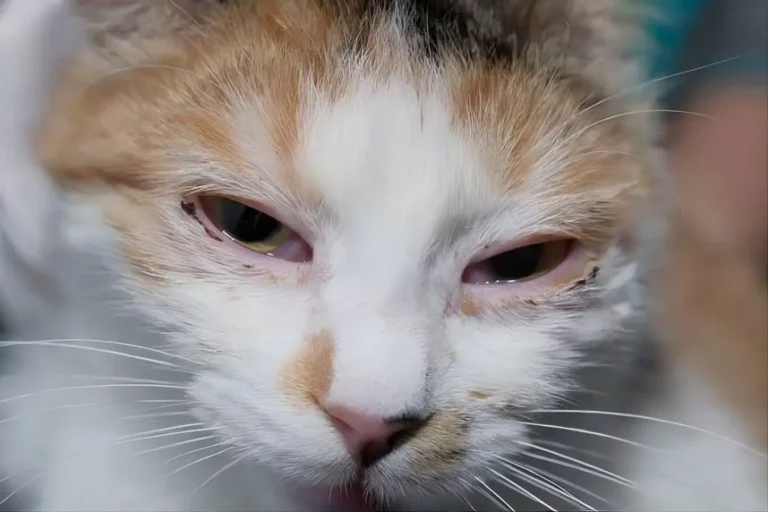
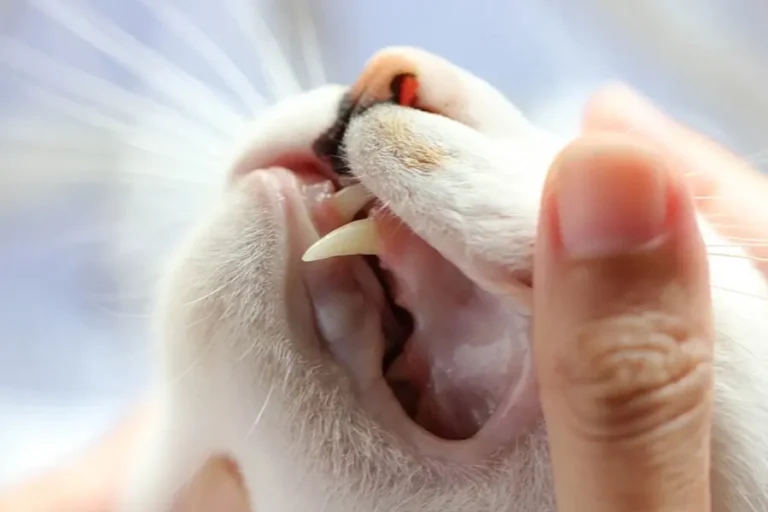
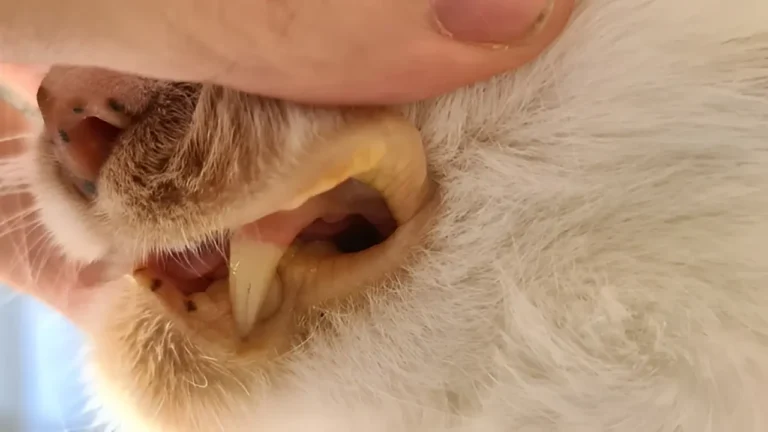
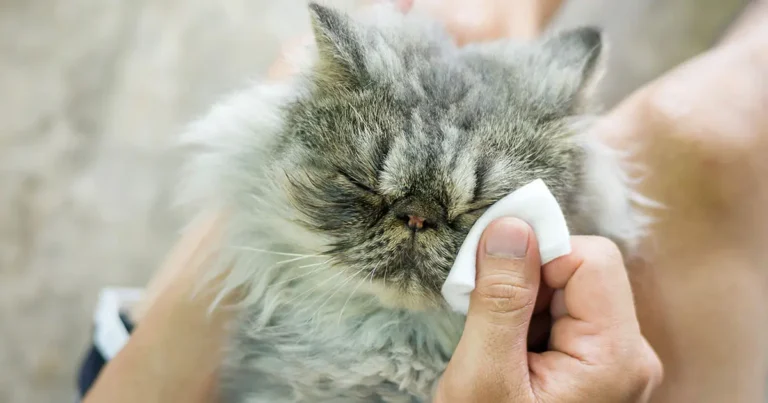
Eye discharge or swelling, pale or yellow gums, bad breath and loss of sight.
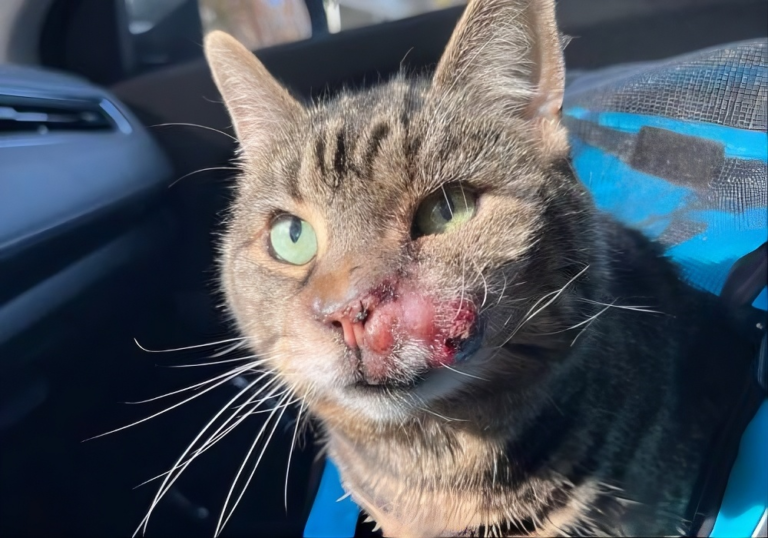
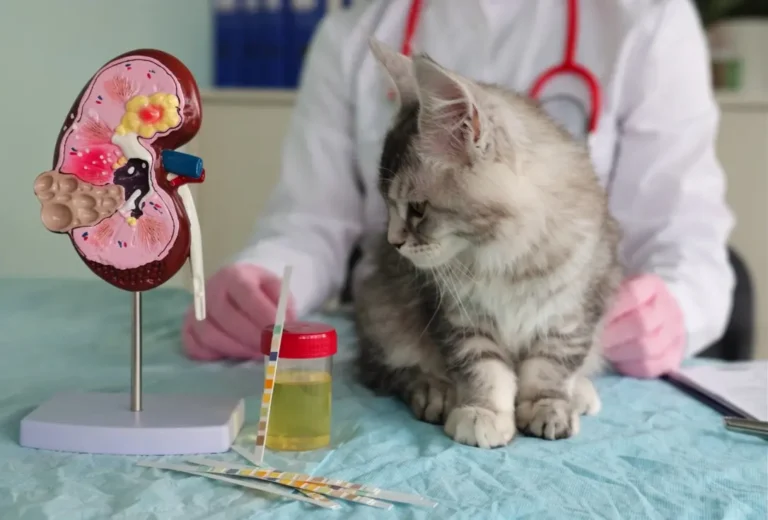
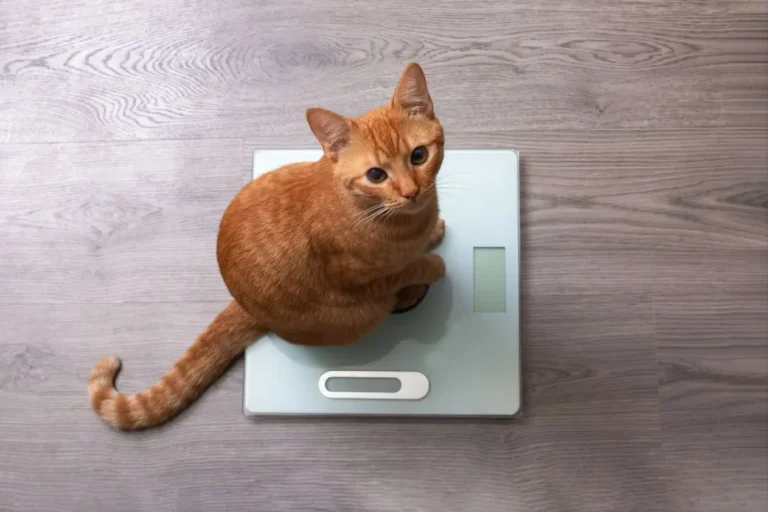
Signs of kidney disease, hyperthyroidism, diabetes, heart disease, anemia and cancer, plus fever, lumps, swelling and weight loss.
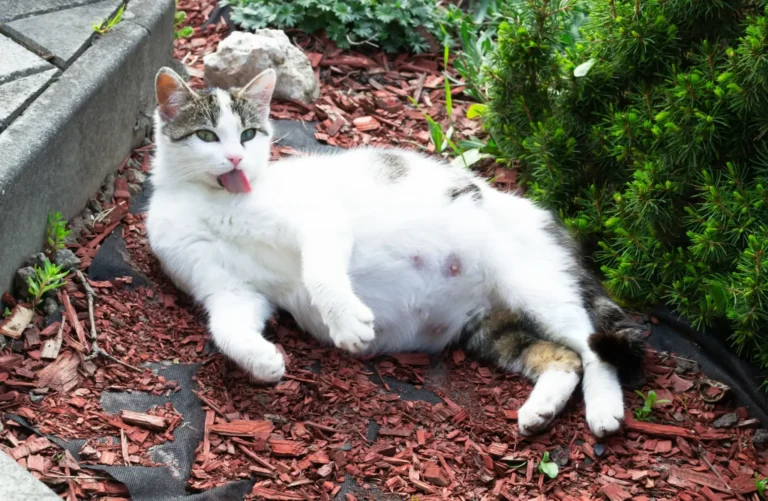
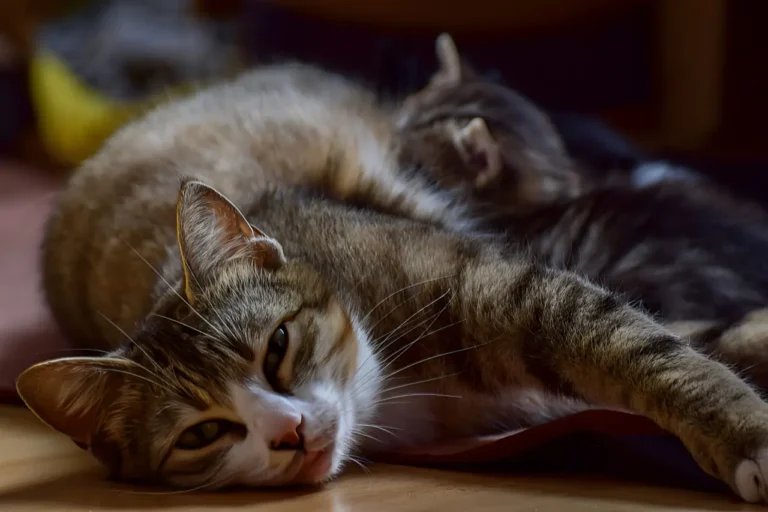
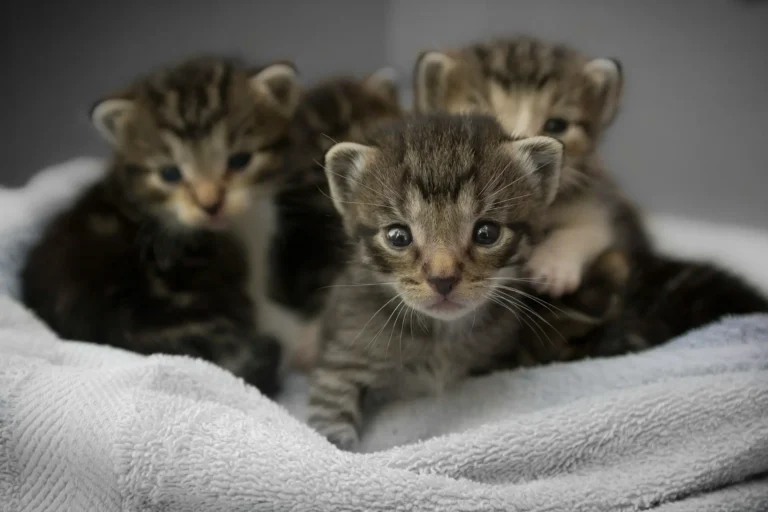
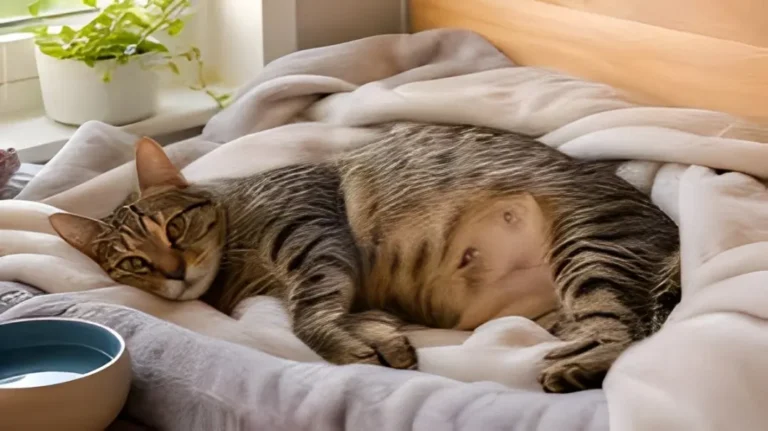
Pregnancy, labor and newborn care, and the symptoms that matter most in young kittens.
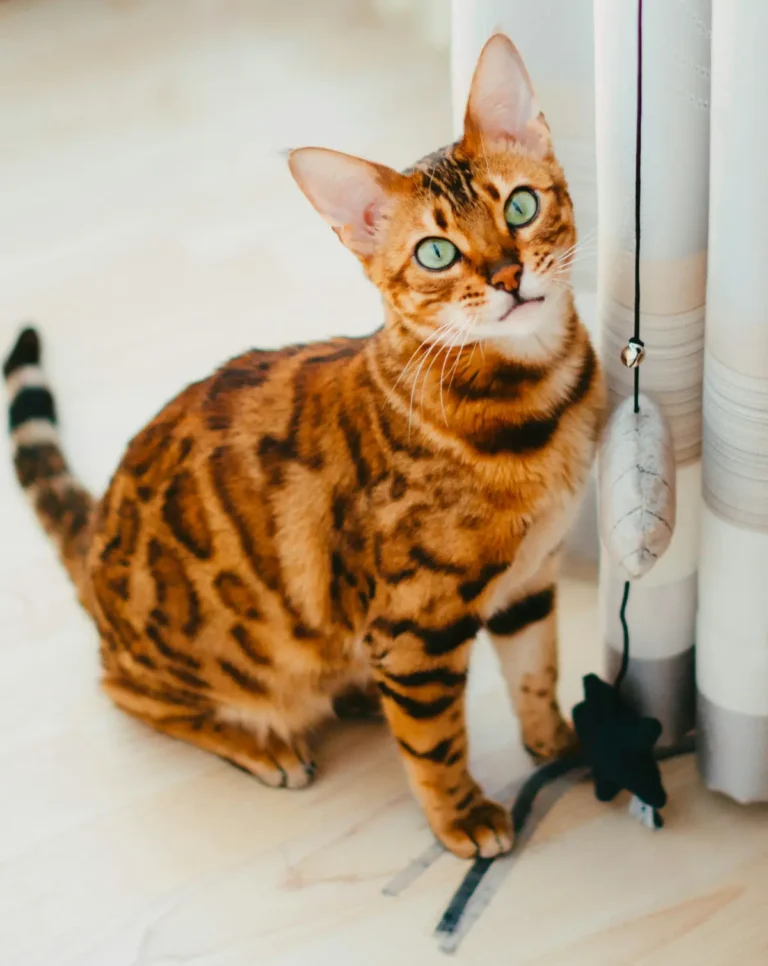
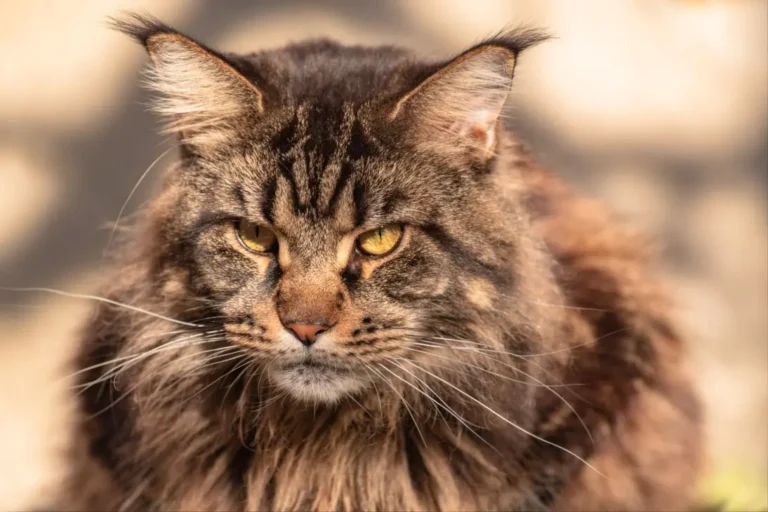
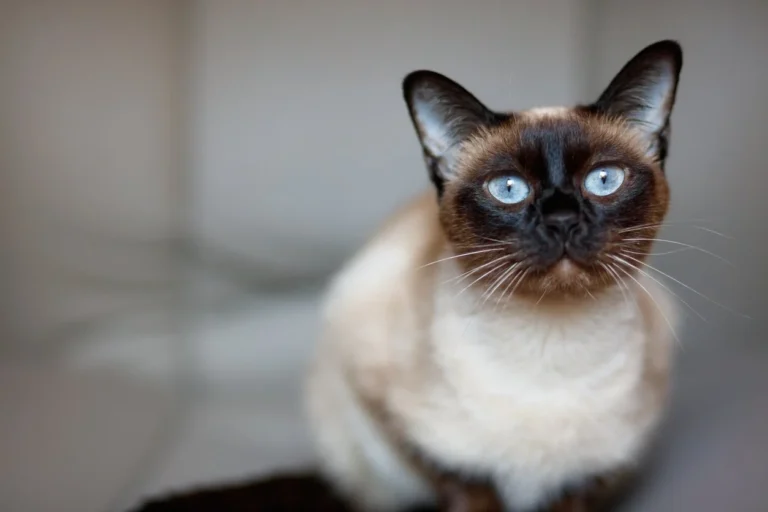
Health problems that are more common in Maine Coons, Persians, Siamese, Ragdolls and Bengals.
Describe what you’re seeing and Veterinary AI will help you judge how urgent it is and what to do next, any time of day.
This guide is for information only and doesn’t replace an exam by a veterinarian. If your cat seems seriously unwell, contact a vet or emergency clinic right away.